
X
Electric hoists represent their own machinery, strength, and toughness, while the stage is elegant, flowing, and soft, with conflicts and collisions between the two.
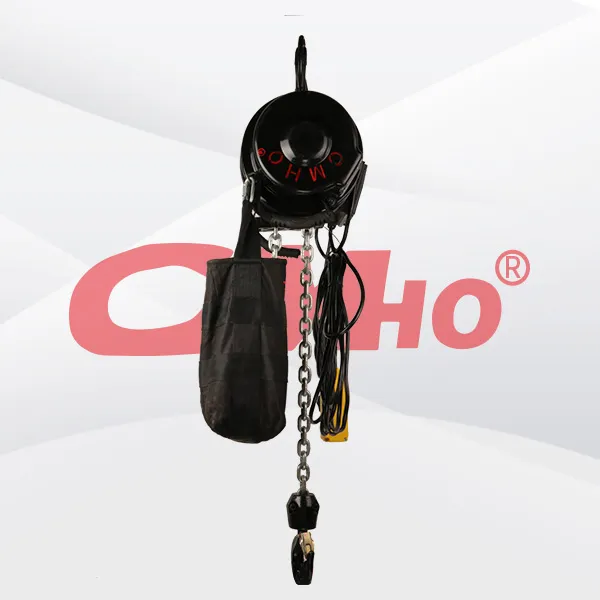
A Safe Stage Electric Hoist is a specialized, electromechanically powered lifting device tailored explicitly for the unique demands of theatrical productions (e.g., plays, musicals, operas).
Category : V7 Stage Electric Series
Get a Quote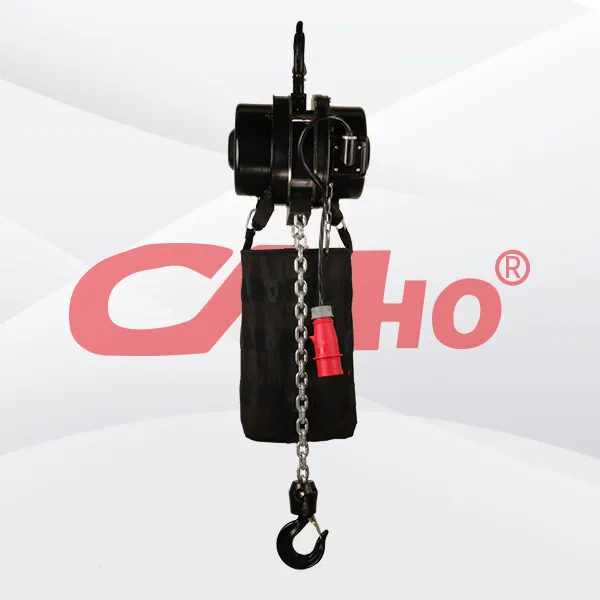

Product Details
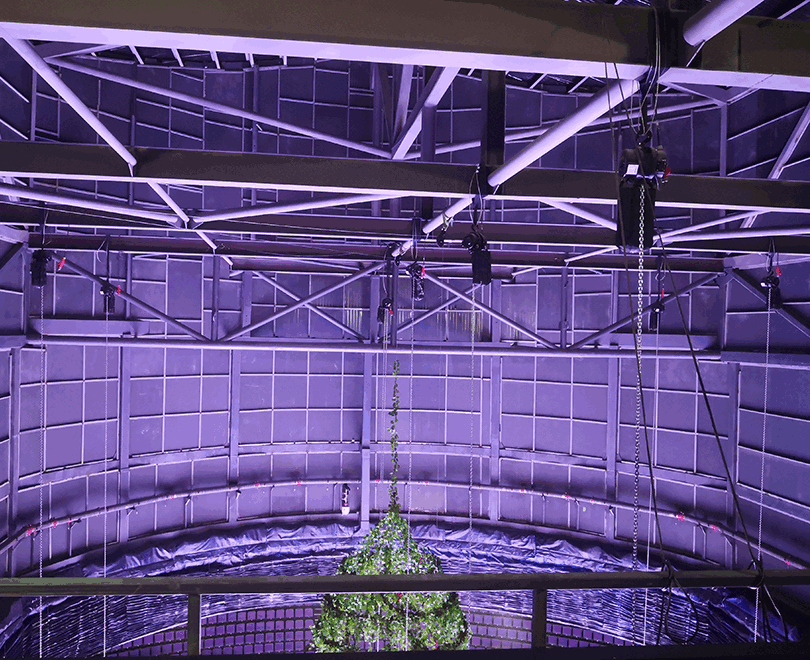
In drama performances, the smoothness of scene transitions directly determines the coherence of the narrative rhythm. As the core equipment for prop hoisting, the safe stage electric hoist serves as an "invisible cornerstone" for the stability of scene transition links. When a drama needs to complete critical scene transitions through hoisting—for example, switching from an "indoor living room" scene to an "outdoor street" scene, which requires accurately moving hundreds of kilograms of background backdrops, simulated furniture, or suspended props (such as chandeliers and vine decorations) to designated stage areas—a high-quality safe stage electric hoist can rely on its core advantages of "low vibration and low noise" to make props move strictly in accordance with the preset linear trajectory and constant speed rhythm: it will not cause backdrops to tilt due to mechanical jamming when lifting, nor will it produce "jittery shaking" due to gear transmission gaps when moving horizontally, and even less will it generate "squeaking" abnormal noises or structural sound transmission due to metal friction. This stable operation not only prevents prop shaking from distracting the audience (for instance, the shaking of a suspended simulated chandelier may pull the audience out of the drama's context) but also ensures precise coordination between actors and props. For example, an actor needs to step onto a prop (such as a movable staircase) to perform only after the prop has stopped stably. If the hoist operates unsteadily, causing delays or deviations of the prop, it may directly disrupt the actor's movement and line rhythm. However, the stable operation of the safe stage electric hoist enables seamless integration of scene transitions and performance processes, ensuring the integrity and appreciation of the drama's narrative. In contrast, traditional lifting equipment (such as simple industrial-grade hoists) often has obvious shortcomings in its mechanical structure because it is not originally designed to adapt to stage scenarios: most gears adopt rough gear milling technology instead of precision gear grinding, with a meshing gap of 0.1-0.3mm (far exceeding the 0.01mm-level precision of stage hoists). During operation, the "meshing impact" caused by tooth surface collision is converted into high-frequency vibration. This vibration not only causes obvious shaking of hoisted props (such as lightweight gauze curtains and suspended props) but also spreads to the stage floor and backdrops through steel wire ropes and hoisting steel frames, triggering chain "resonant noise"; at the same time, traditional equipment lacks an optimized force-bearing framework and silent lubrication design, and the airborne sound transmission noise generated by bearing friction and drum rotation can reach more than 65 decibels (equivalent to the volume of normal conversation). In the "silent transition scenes" of drama performances (such as actor monologues and scene fade-out moments), this kind of noise will directly destroy the quiet atmosphere of the stage and interfere with the audience's immersion in the plot.
Previous: Stage Hoist With Limit Switch
RELATED PRODUCTS .
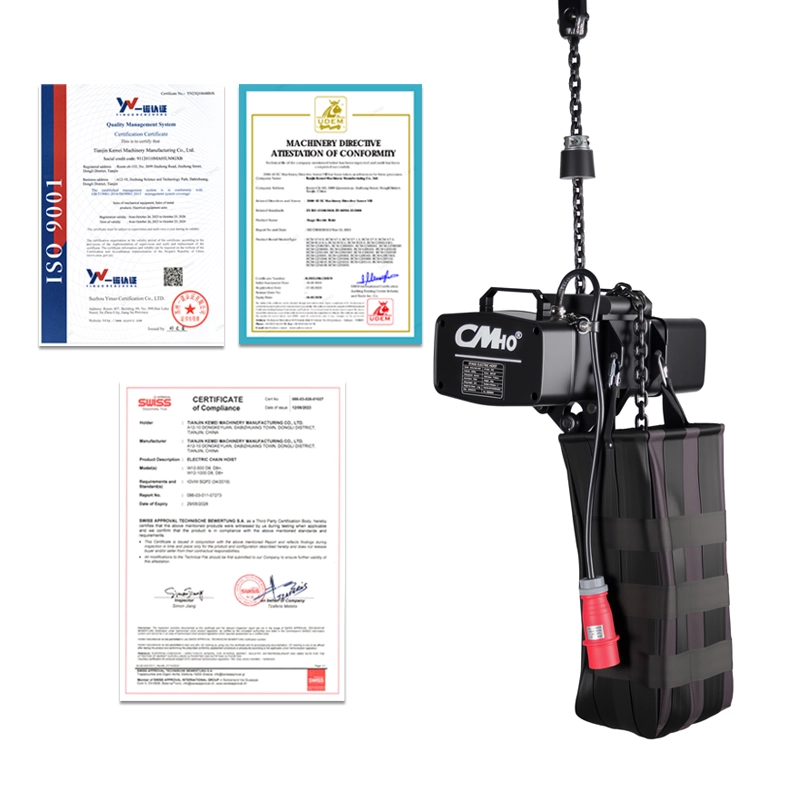
An entertainment electric chain hoist is a motorized chain hoist designed to lift stage equipment — truss, lighting and LED screens — quietly and precisely.
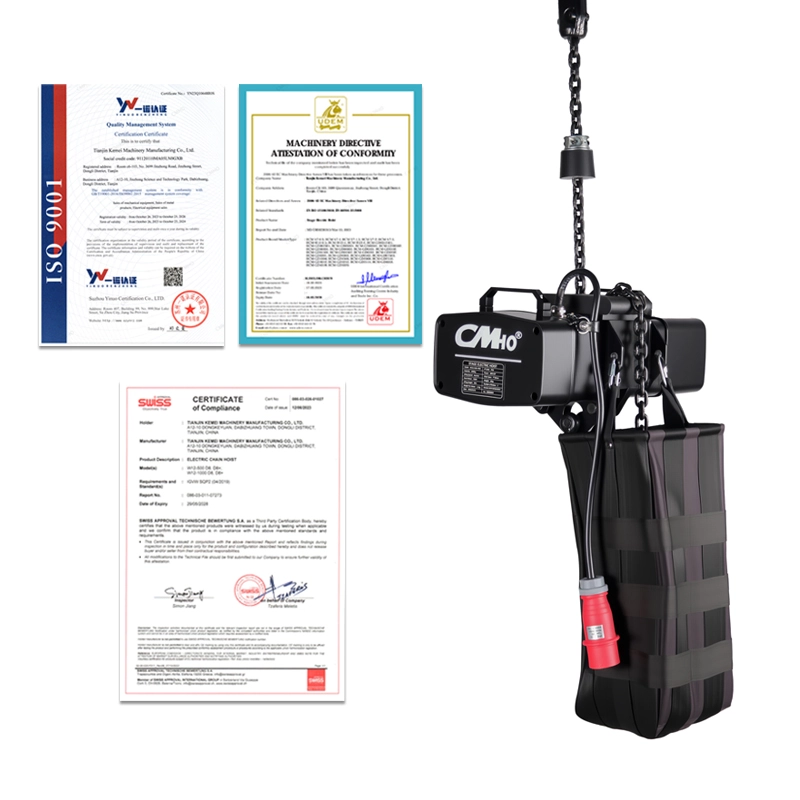
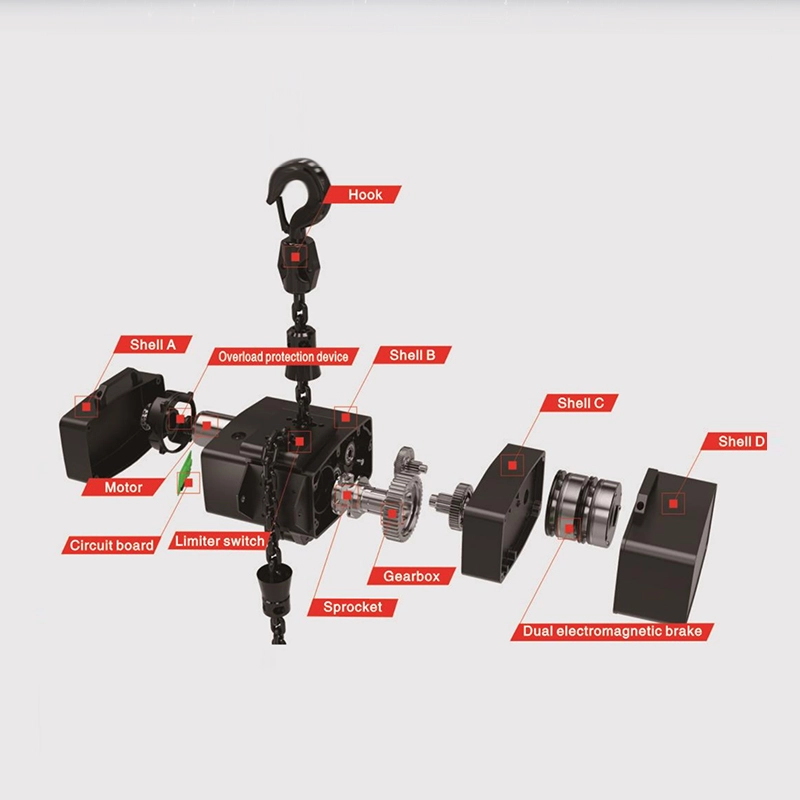
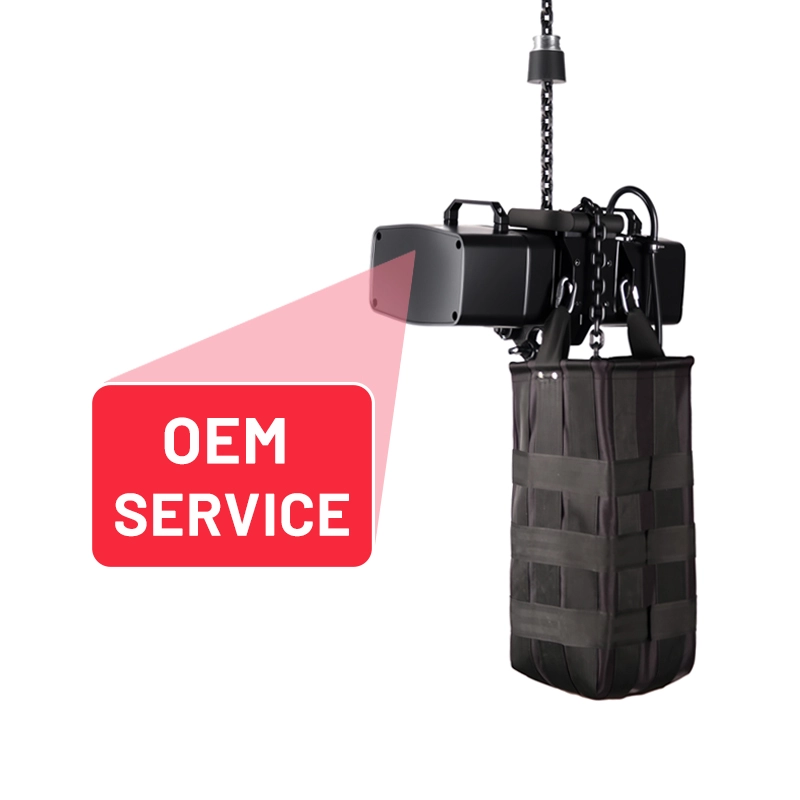
A complete set of professional stage electric chain hoist matched with heavy-duty flight case. The custom flight case provides shock protection for safe transportation and storage of the stage hoist,
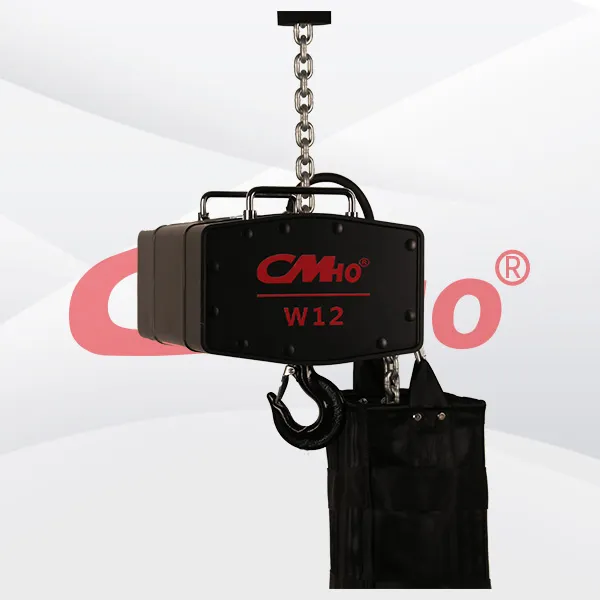
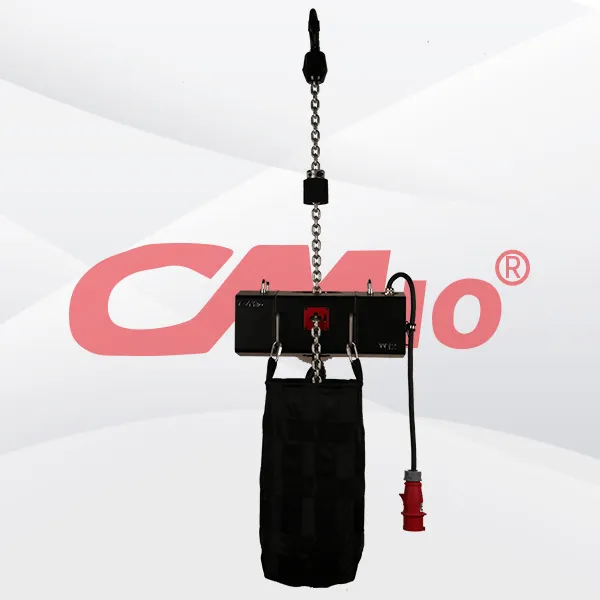
Our G100 stage lifting hoist features Grade100 high-strength alloy chain, excellent tensile strength, dual brake and IP66 waterproof for safe stage rigging.
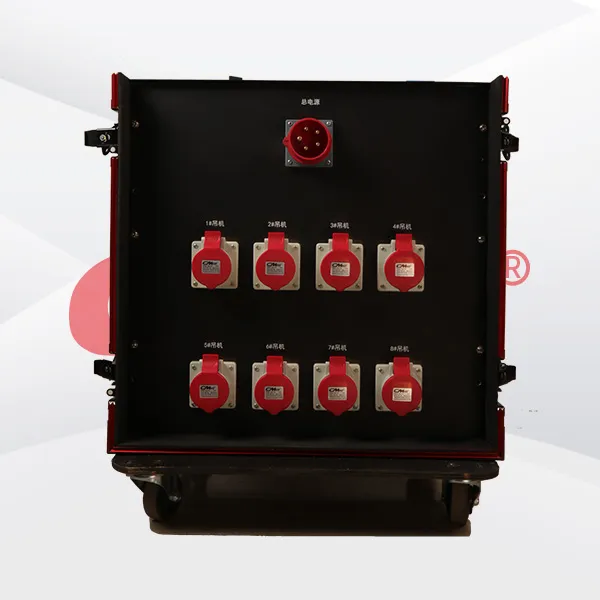
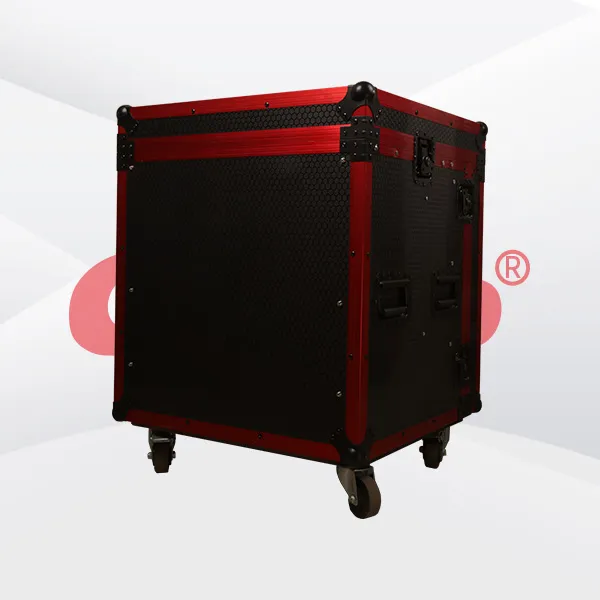
A dedicated electrical control enclosure for stage electric chain hoists. It serves as the operation hub to control hoist lifting, lowering and stopping, with built-in safety protections. It supports
2026-09-16
创始人
0
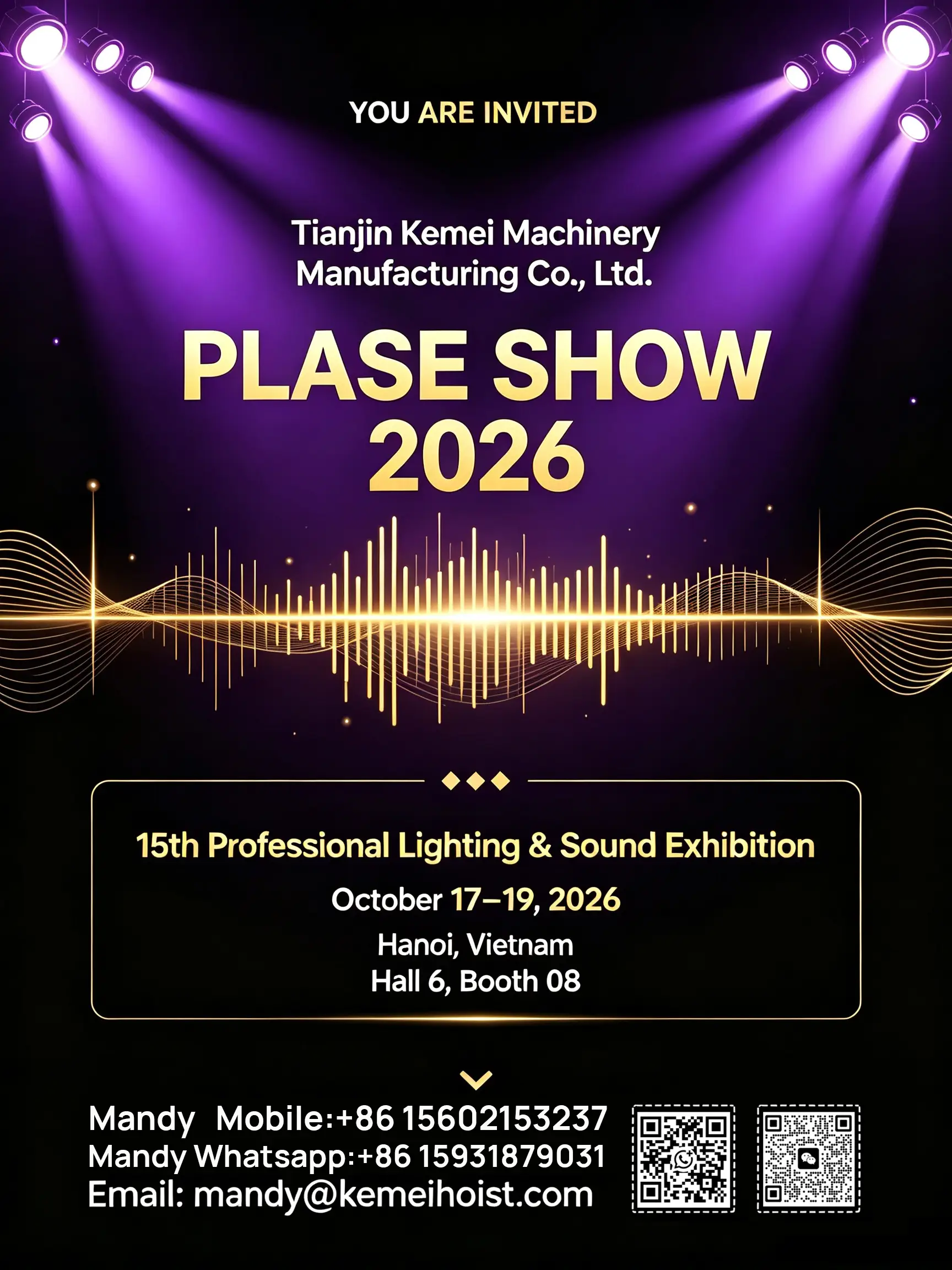
PLASE SHOW Vietnam Professional Lighting Sound Exh...
Tianjin Kemei Machinery Manufacturing Co., Ltd is honored to participate in PLASE SHOW Vietnam, the most influential professional exhibition for stage lighting, audio and ri...
2026-05-14
创始人
0
2026 Prolight Sound
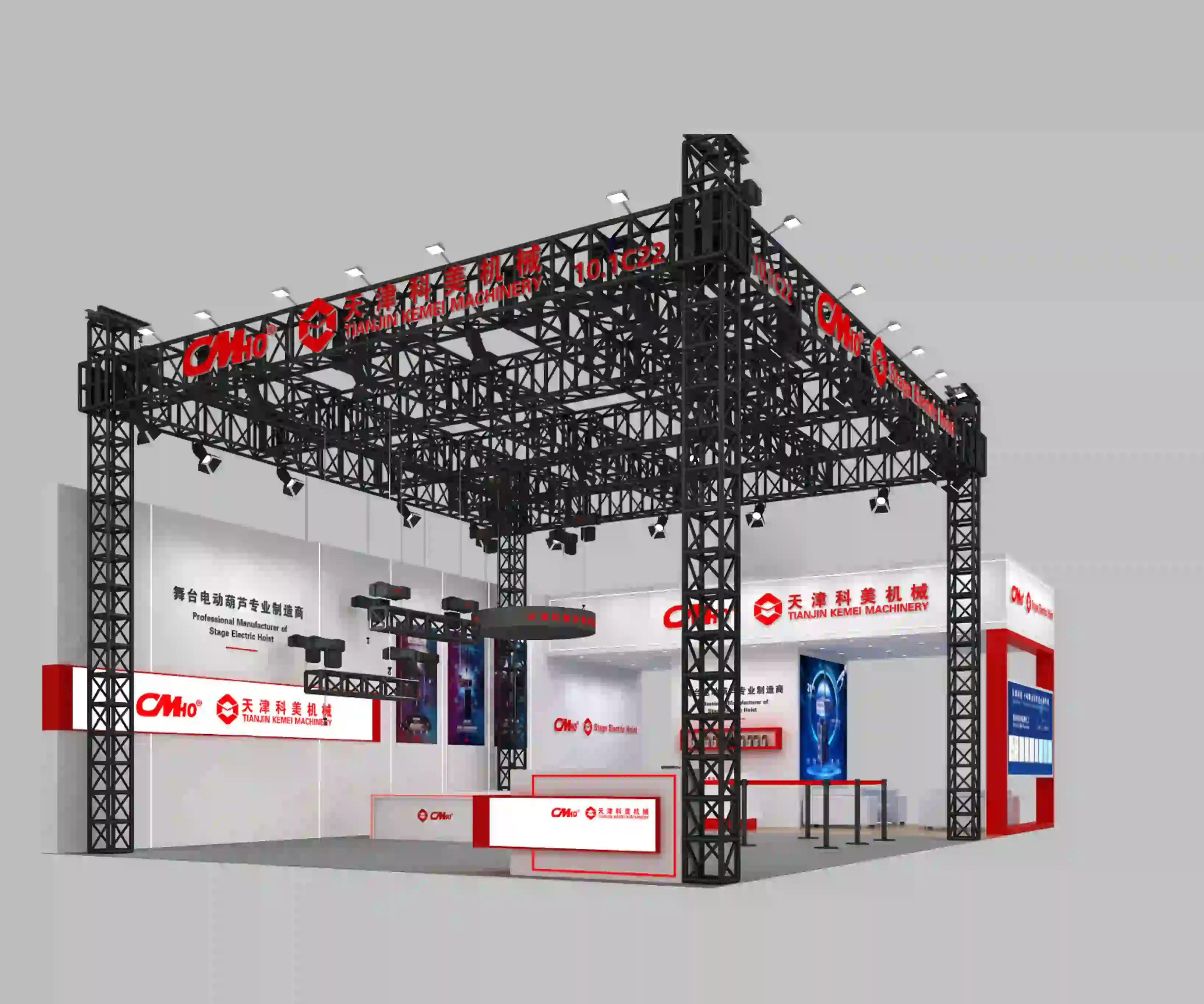
Prolight + Sound Guangzhou 2026 will grandly kick off from May 28 to 31! We sincerely invite all new and old customers to visit our booth for inspection and business negotia...
2026-04-27
admin
0
The Invisible Cloak of Stage Electric Hull
The stage electric hoist is a commonly used lifting tool when building a stage. It has a compact appearance and is easy to use
2026-03-18
创始人
0
2026 GET SHOW
Our company will make a major appearance at the GETshow Guangzhou (International) Performing Arts Equipment, Intelligent Acoustic and Optical Equipment Technology Exhibition...