
X
Electric hoists represent their own machinery, strength, and toughness, while the stage is elegant, flowing, and soft, with conflicts and collisions between the two.
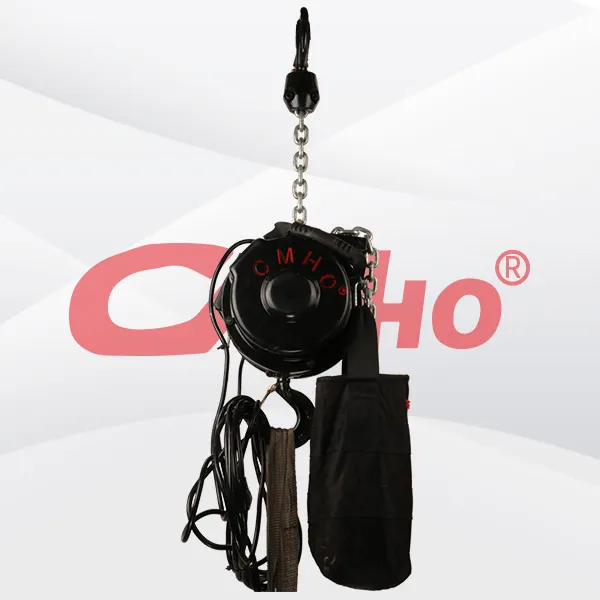
The V7 stage-specific electric hoist, also known as the self- hanging. It is mainly applicable to the construction of commercial stages, stage scenery, audio and lighting arrangements, as well as bann
Category : V7 Stage Electric Series
Get a Quote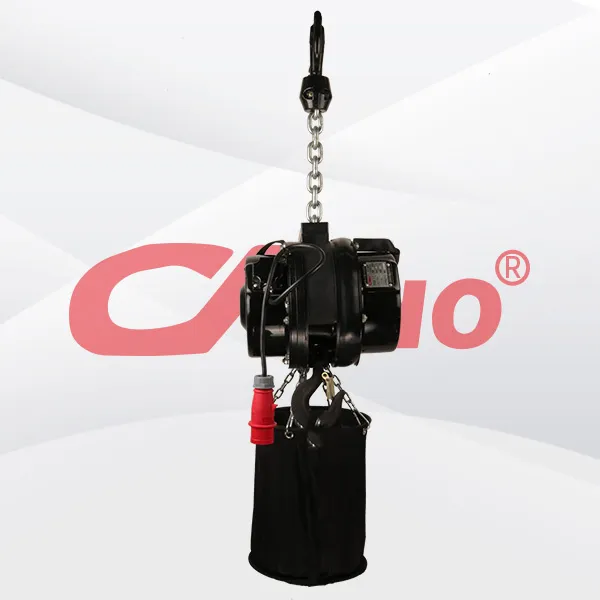

Product Details
1. Installation Methods and Positions - Normal Hanging: - Normal hanging refers to the way that the electric hoist is suspended vertically downward in a normal manner. During installation, the suspension point of the electric hoist is above the object, and it is directly connected to the object to be lifted below through devices such as a hook. For example, in the initial stage of stage construction, when some heavy set frames need to be lifted from the ground and installed at an appropriate position above the stage, the normal - hanging method can be adopted. This method is in line with people's daily intuitive understanding of the use of lifting equipment. The installation position is relatively easy to determine, and it is convenient for operators to observe and control the lifting process when lifting. - Inverted Hanging: - Inverted hanging means that the electric hoist is hung upside - down below the object, for example, hung upside - down on the truss structure of the stage. Its suspension point is below the object, and the object is lifted upward through a special connection device. In some stage performance scenarios, in order to achieve special visual effects, such as lowering props or actors from the top of the stage, the inverted - hanging method will be used. However, the installation of inverted hanging is relatively complex, and it is necessary to ensure that the electric hoist is firmly fixed. Because the direction of its own gravity and the gravity of the lifted object are the same, the pressure on the suspension point is greater. 2. Force - bearing Conditions - Normal Hanging: - When lifting an object with normal hanging, the main force - bearing components of the electric hoist are the hook and the chain, etc. The chain bears the gravity of the object, and the direction of the pulling force is downward along the chain. The hook bears the pulling force from the object, and its force - bearing direction is basically vertically downward. For example, when lifting a 100 - kilogram stage prop, the pulling force of the chain and the pulling force received by the hook are approximately equal to the gravity of a 100 - kilogram object (about 980N), and these forces mainly act vertically downward on the corresponding components. - Inverted Hanging: - In the case of inverted hanging, the force - bearing situation of the electric hoist is more complex. In addition to bearing the gravity of the lifted object, its own weight will also generate additional pulling force on the connecting components. For example, when lifting a 100 - kilogram prop, assuming the weight of the inverted - hanging electric hoist itself is 50 kilograms, then the pulling force borne by the suspension point connecting the electric hoist is approximately equal to the gravity of a (100 + 50) - kilogram object (about 1470N). Moreover, since the object is lifted upward in inverted hanging, the direction of the force is upward, and the direction of the force acting on the internal transmission components and braking components of the electric hoist is opposite to that in normal hanging, which requires higher performance of these components. 3. Application Scenarios and Effects - Normal Hanging: - Normal hanging is suitable for most conventional stage set construction and prop handling. For example, when building a stage background frame, the frame components are lifted from the ground by normal hanging to an appropriate height for installation. In terms of visual effects, the object lifted by normal hanging gives the impression of moving from bottom to top, which is more in line with the audience's visual perception of normal object lifting. - Inverted Hanging:
- Inverted hanging is often used to create some special stage effects. For example, in some large - scale concerts or dance performances, actors slowly descend from the top of the stage through an inverted - hanging electric hoist, as if descending from the sky, which can create a very shocking visual effect. Or in some fantasy - themed stage plays, the inverted - hanging electric hoist can lower props with special - effect lights from above, increasing the sense of layering and fantasy on the stage.
RELATED PRODUCTS .
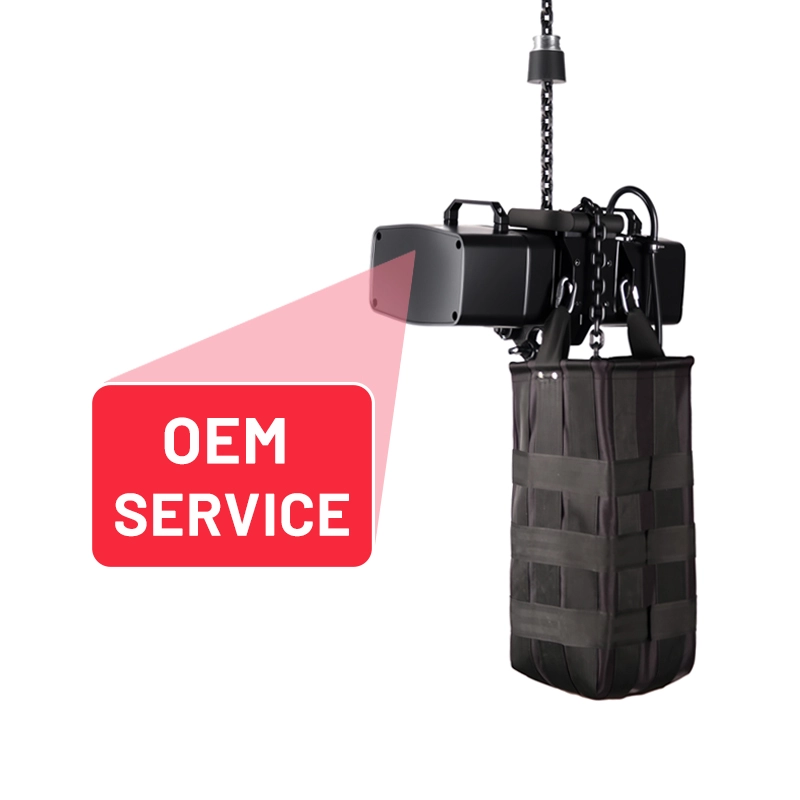
An entertainment electric chain hoist is a motorized chain hoist designed to lift stage equipment — truss, lighting and LED screens — quietly and precisely.
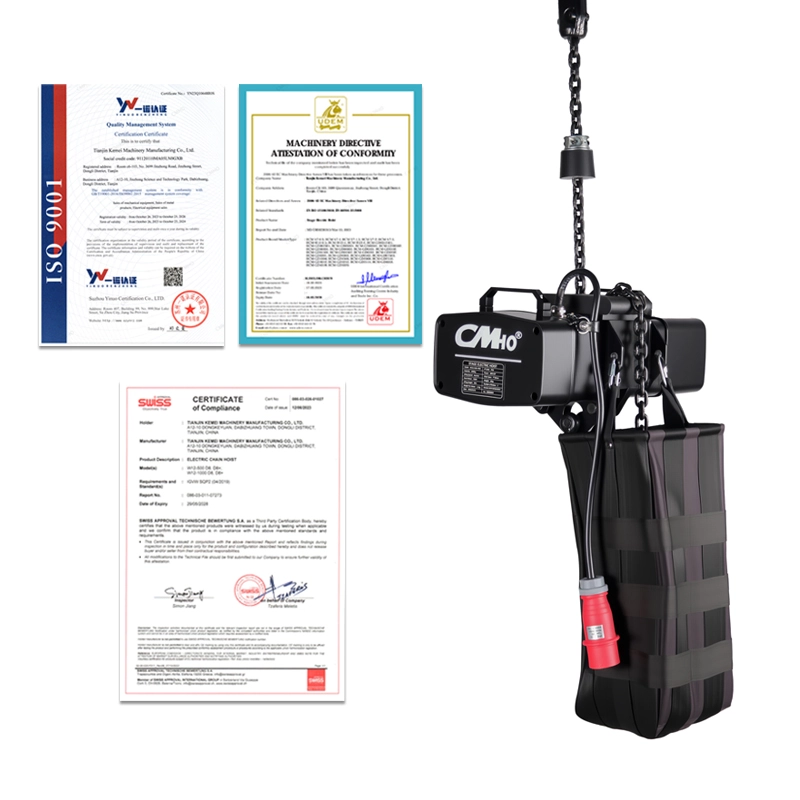
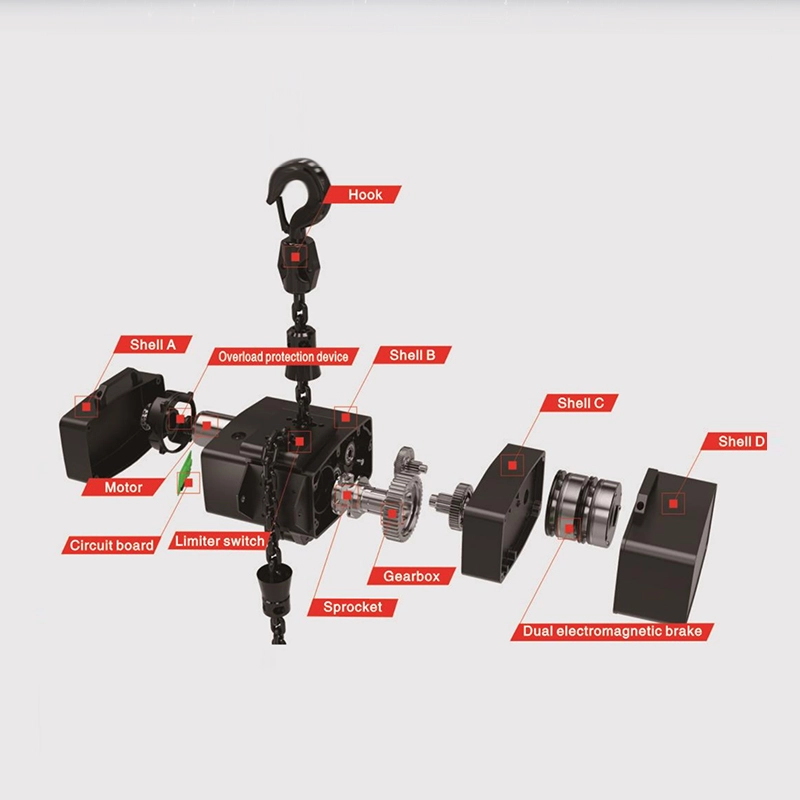
A complete set of professional stage electric chain hoist matched with heavy-duty flight case. The custom flight case provides shock protection for safe transportation and storage of the stage hoist,
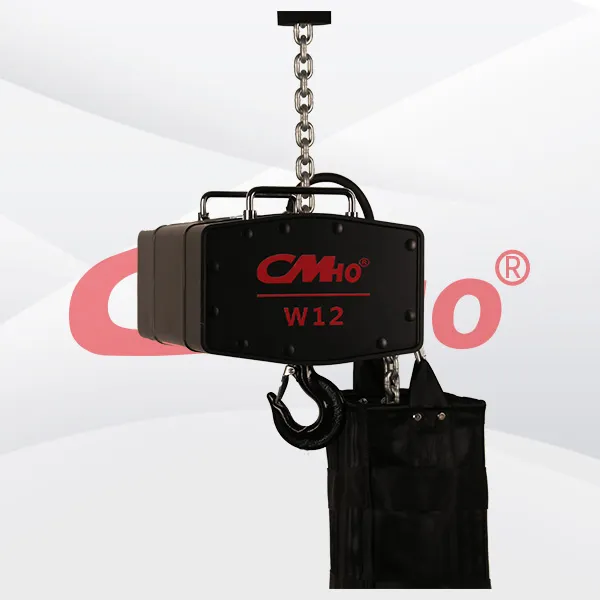
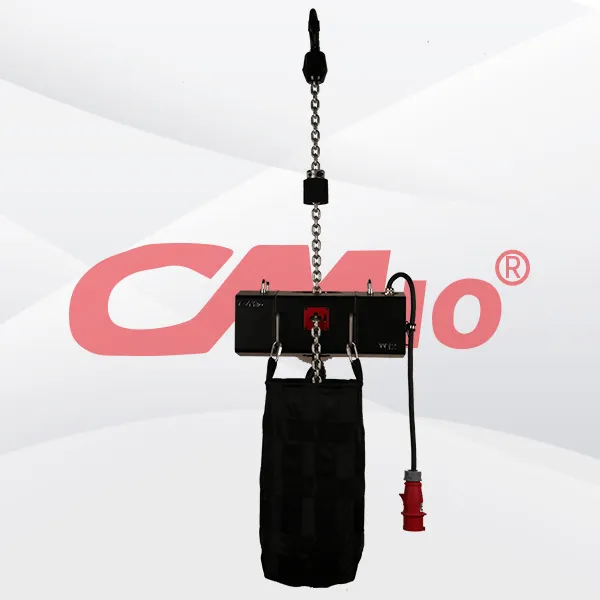
Our G100 stage lifting hoist features Grade100 high-strength alloy chain, excellent tensile strength, dual brake and IP66 waterproof for safe stage rigging.
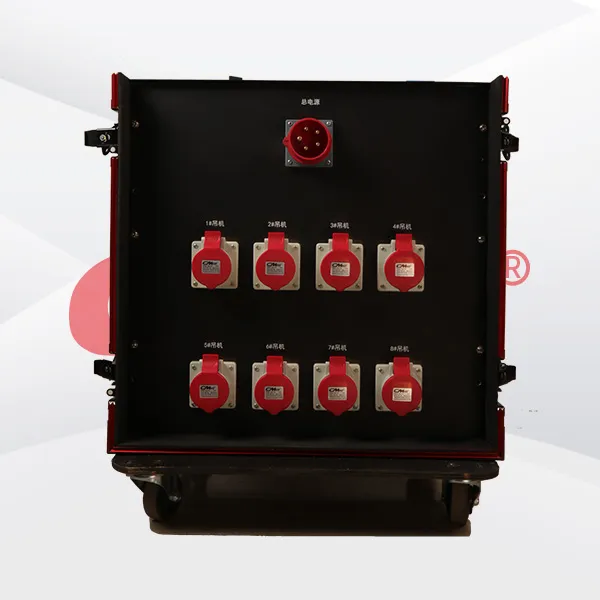
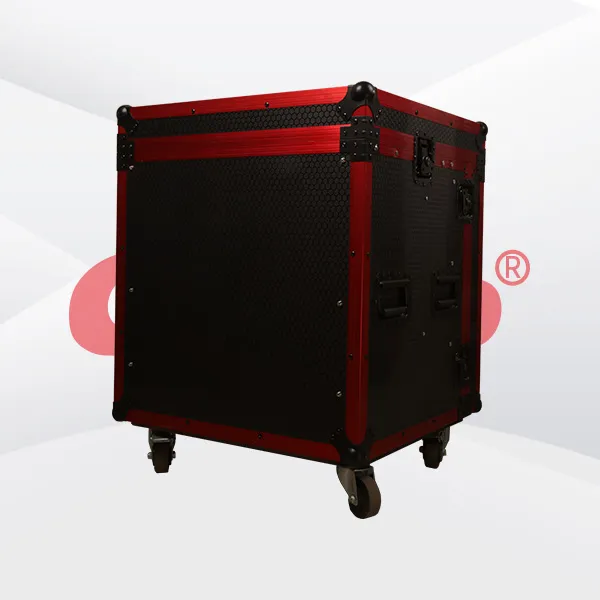
A dedicated electrical control enclosure for stage electric chain hoists. It serves as the operation hub to control hoist lifting, lowering and stopping, with built-in safety protections. It supports
2026-09-16
创始人
0
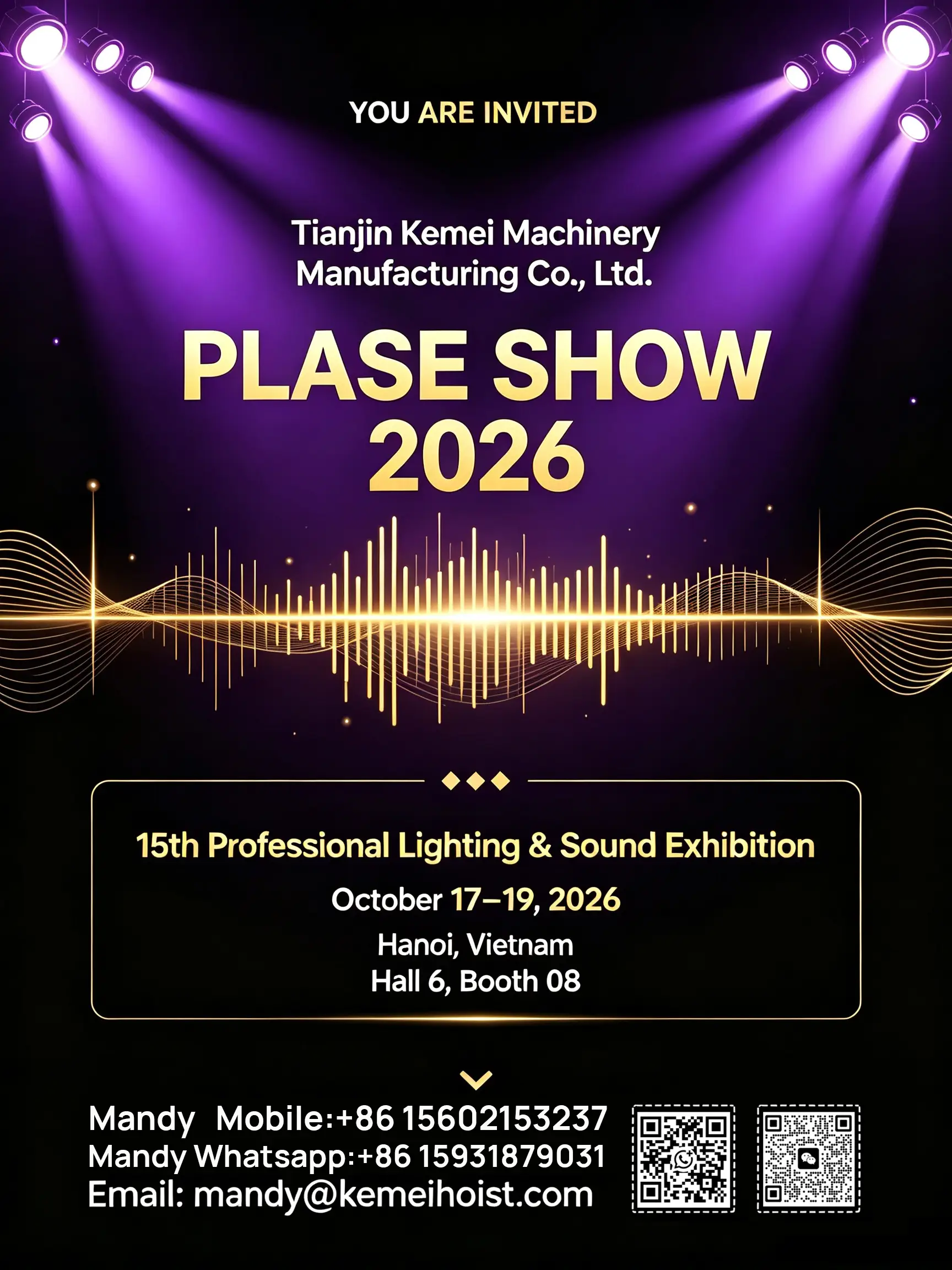
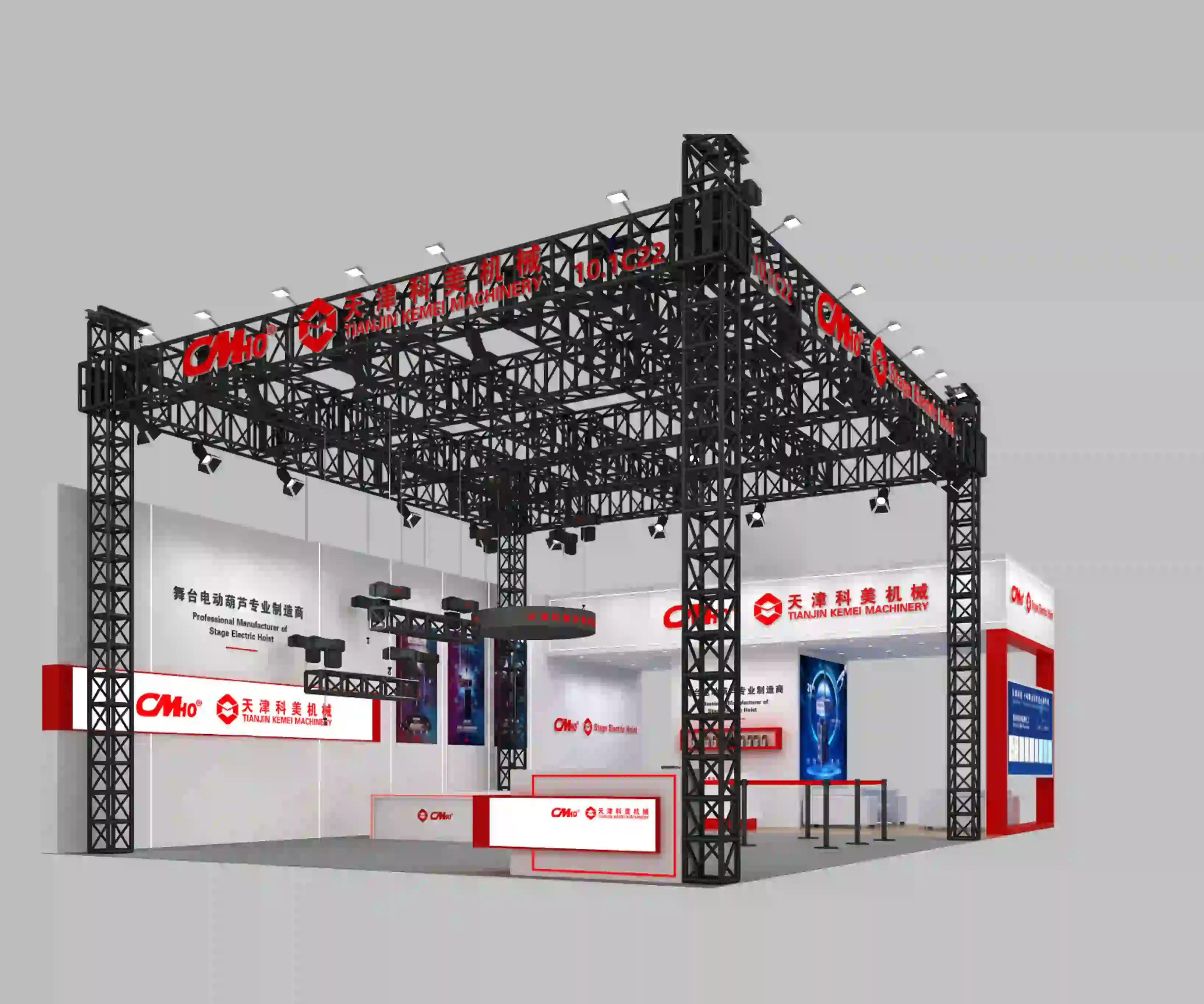
PLASE SHOW Vietnam Professional Lighting Sound Exh...
Tianjin Kemei Machinery Manufacturing Co., Ltd is honored to participate in PLASE SHOW Vietnam, the most influential professional exhibition for stage lighting, audio and ri...
2026-05-14
创始人
0
2026 Prolight Sound
Prolight + Sound Guangzhou 2026 will grandly kick off from May 28 to 31! We sincerely invite all new and old customers to visit our booth for inspection and business negotia...
2026-04-27
admin
0
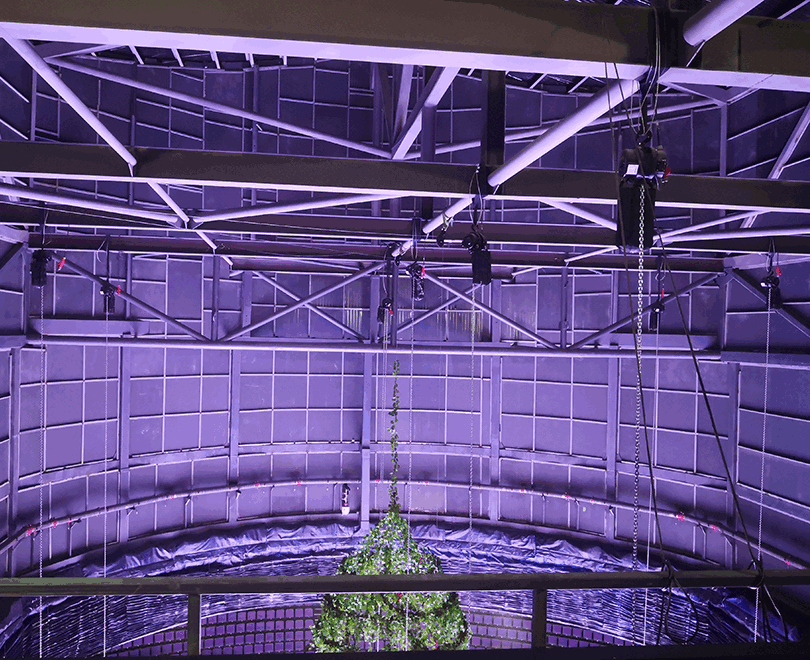
The Invisible Cloak of Stage Electric Hull
The stage electric hoist is a commonly used lifting tool when building a stage. It has a compact appearance and is easy to use
2026-03-18
创始人
0
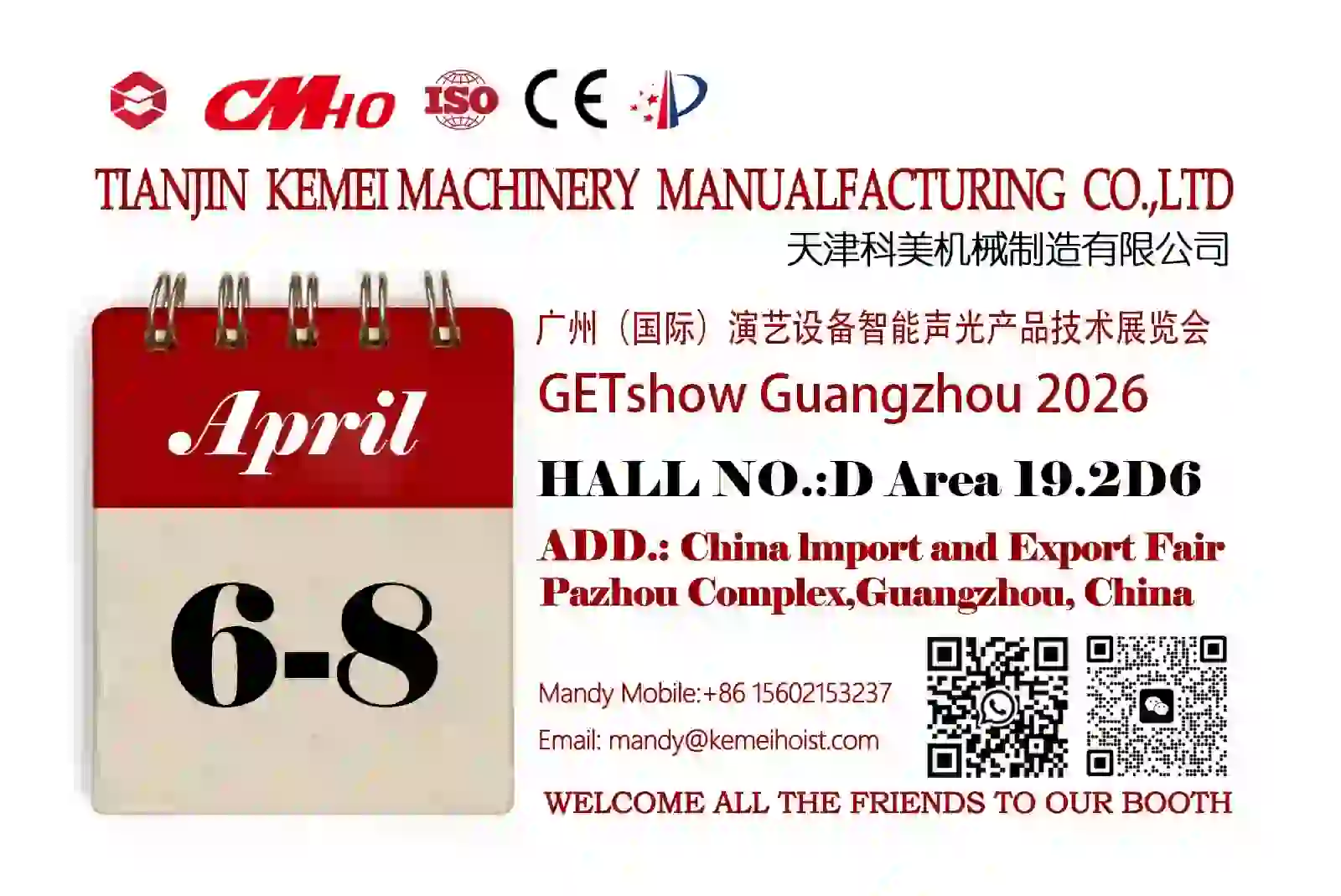
2026 GET SHOW
Our company will make a major appearance at the GETshow Guangzhou (International) Performing Arts Equipment, Intelligent Acoustic and Optical Equipment Technology Exhibition...