
X
Electric hoists represent their own machinery, strength, and toughness, while the stage is elegant, flowing, and soft, with conflicts and collisions between the two.
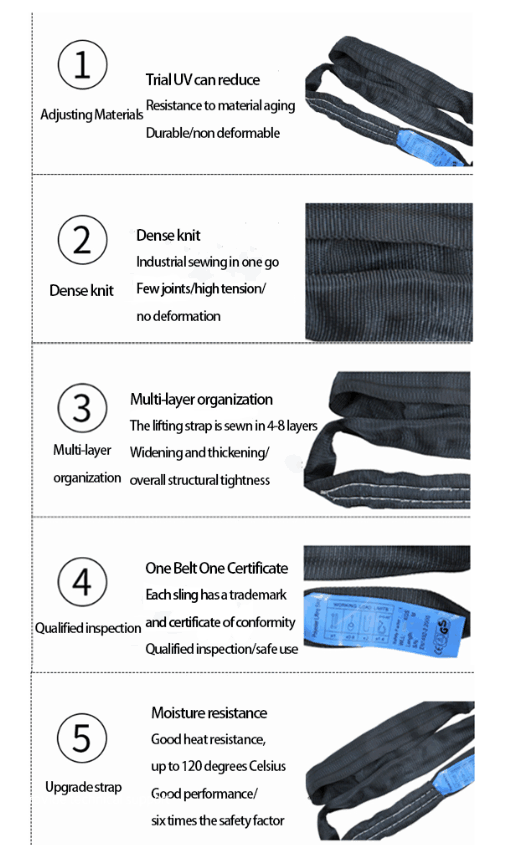
1. Precautions for using lifting belts and rigging equipment
Category : Sling Series
Get a Quote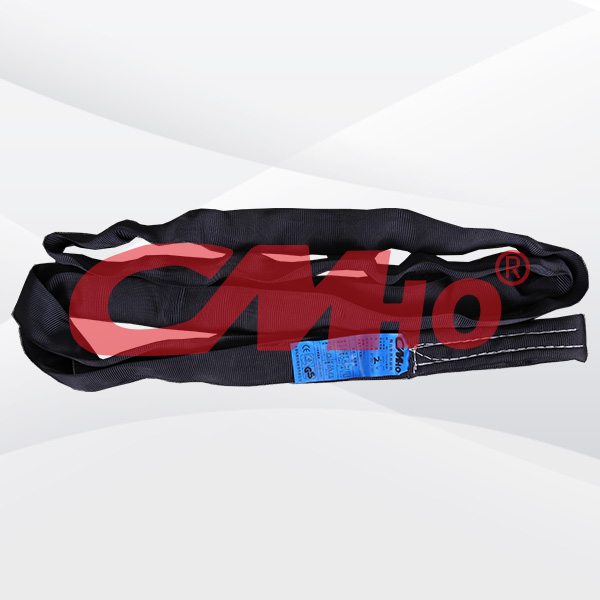
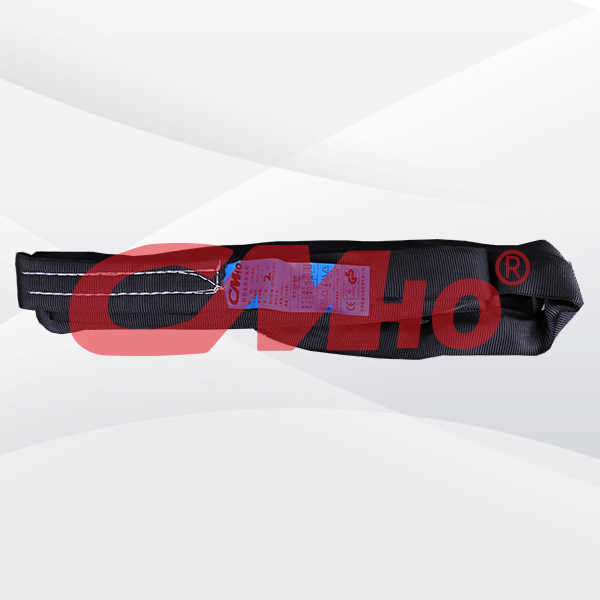
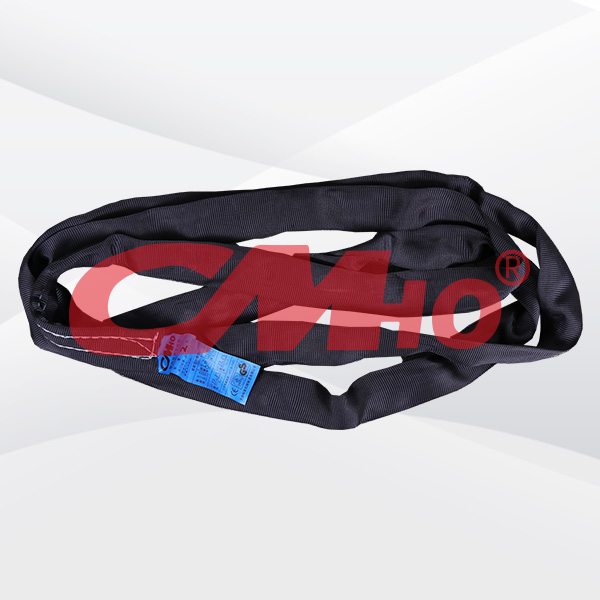
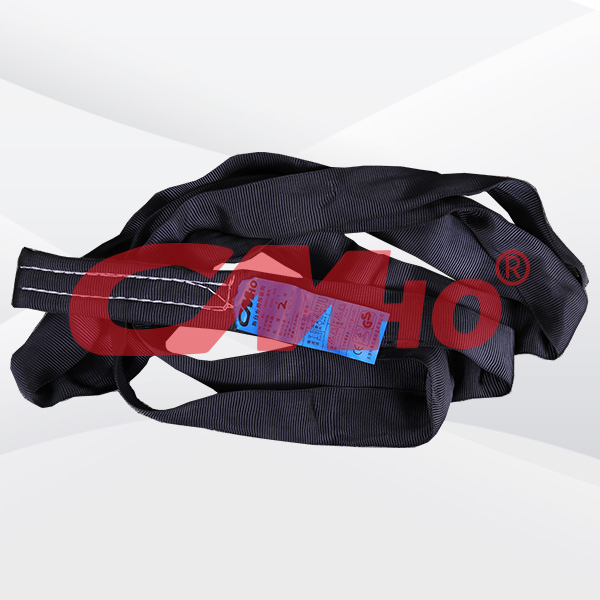

Product Details
1. Precautions for using lifting belts and rigging equipment
(1) Do not drag in parallel and avoid shaking and forcefully grabbing the load caused by the lifting belt.
(2) Before using the lifting belt, carefully inspect it and do not use damaged lifting belts.
(3) When lifting, do not twist or twist the lifting belt, and do not let the lifting belt knot when using.
(4) Avoid tearing open sewing joints or overloading work.
(5) Without a protective cover, the lifting belt shall not lift steel plates, workpiece molds, or other goods with sharp edges or corners that may harm the lifting belt.
2. Maintenance methods for lifting belts and slings
(1) For damp lifting belts, they should be dried and stored to avoid moisture and mold.
(2) Lifting straps should be placed away from heat sources (flames and electrical welding) or under conditions of long-term exposure to sunlight and ultraviolet radiation.
(3) The lifting belt should be stored on a shelf after use and should not be placed directly on the ground to prevent mold and rodent bites after use.
(4) The lifting belt should be cleaned once every 3-6 months of use. For acidic or alkaline use, clean the lifting belt with cold water or cleaning agent after use, dry and store it.
3. Scrapping standards for lifting belts and slings
(1) When lifting with horizontal edge cutting, it should be scrapped.
(2) When the lifting belt is severely twisted, deformed, or fuzzed, it should be scrapped.
(3) When lifting with local scratches or scratches from sharp objects, it should be scrapped.
(4) When the lifting belt body is cut, severely scratched, the belt strands are loose, or locally ruptured, it should be scrapped.
(5) When the surface of the lifting belt is severely worn or deformed, and the wear reaches 1/10 of the original width of the lifting belt, it should be scrapped.
(6) When the lifting belt becomes moldy, deteriorated, burned by acid or alkali, melted or charred by heat, or has multiple loose or corroded surfaces, it should be scrapped.
(7) When synthetic fibers experience softening or aging (yellowing), rough surface, peeling, elastic changes, or weakened strength, they should be scrapped.
Previous: Soft Sling Webbing Nylon Sling Belt
RELATED PRODUCTS .
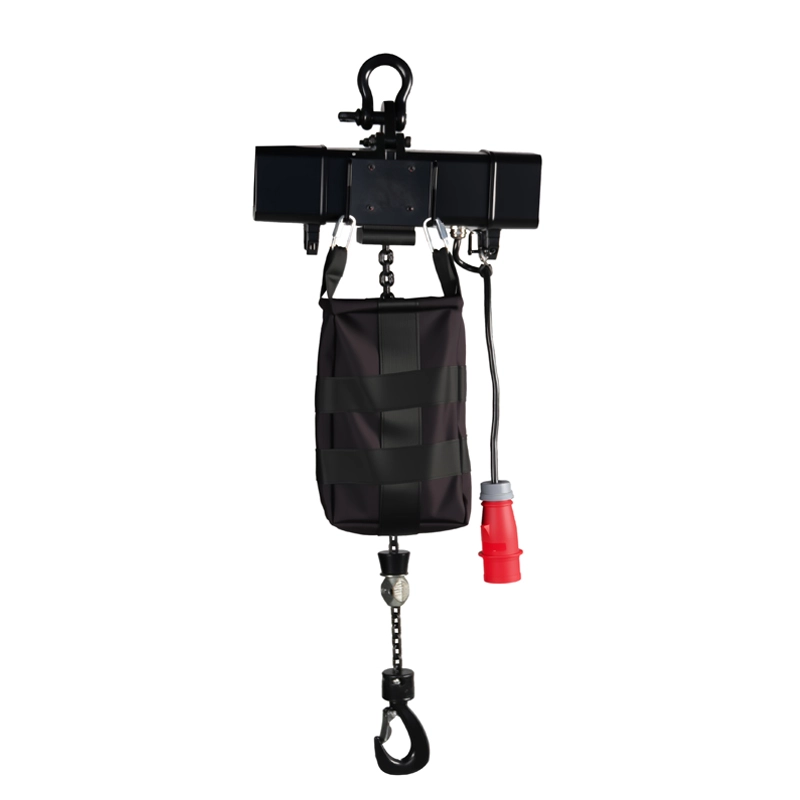
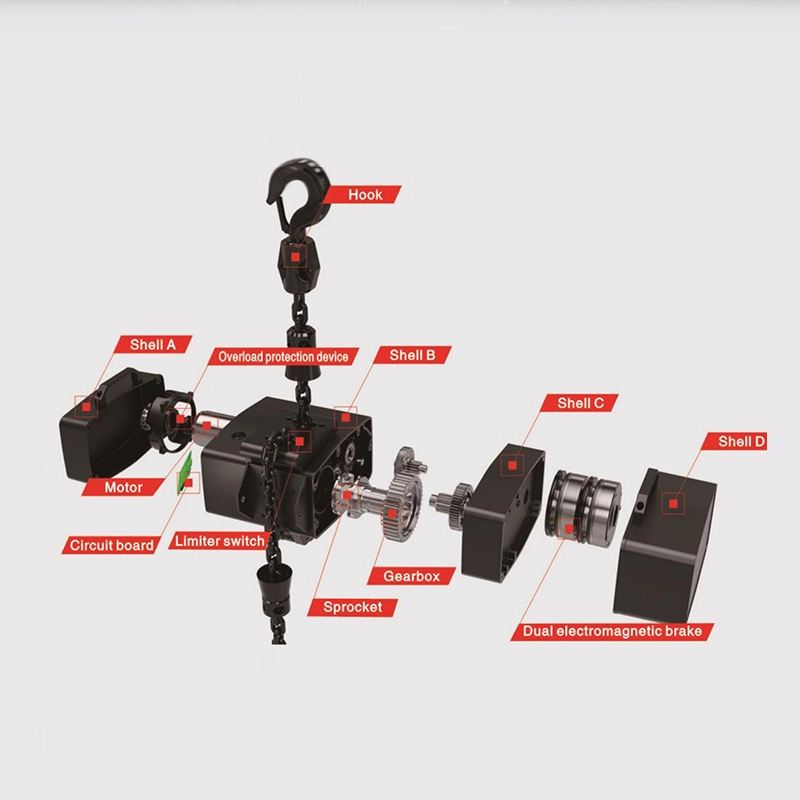
A 1 ton stage electric chain hoist is CE-certified lifting equipment specially engineered for theatre, concert and event rigging. Complying with EU machinery directives, it comes with built-in multi-s
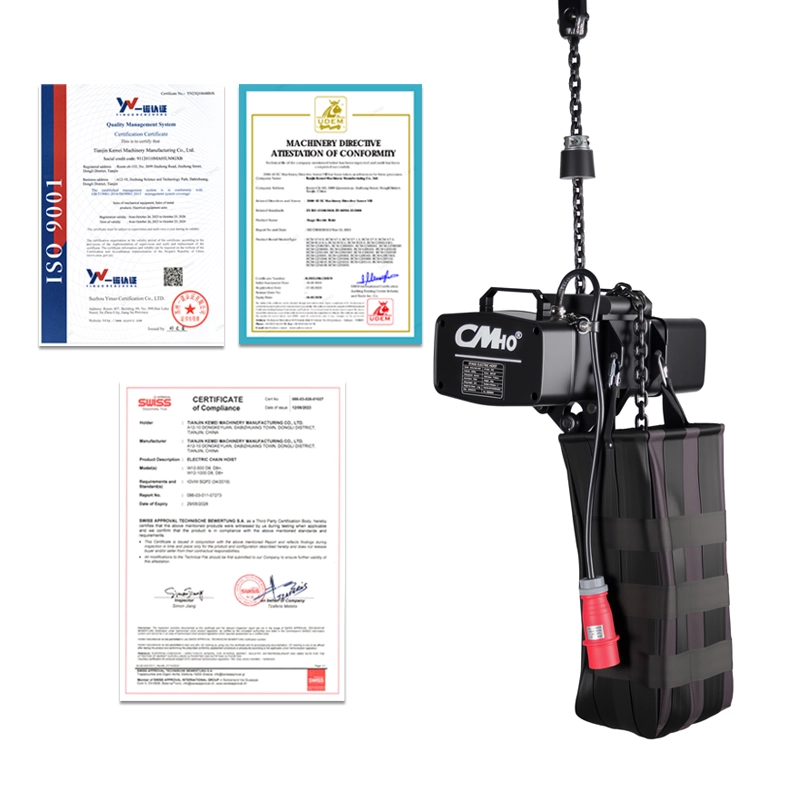
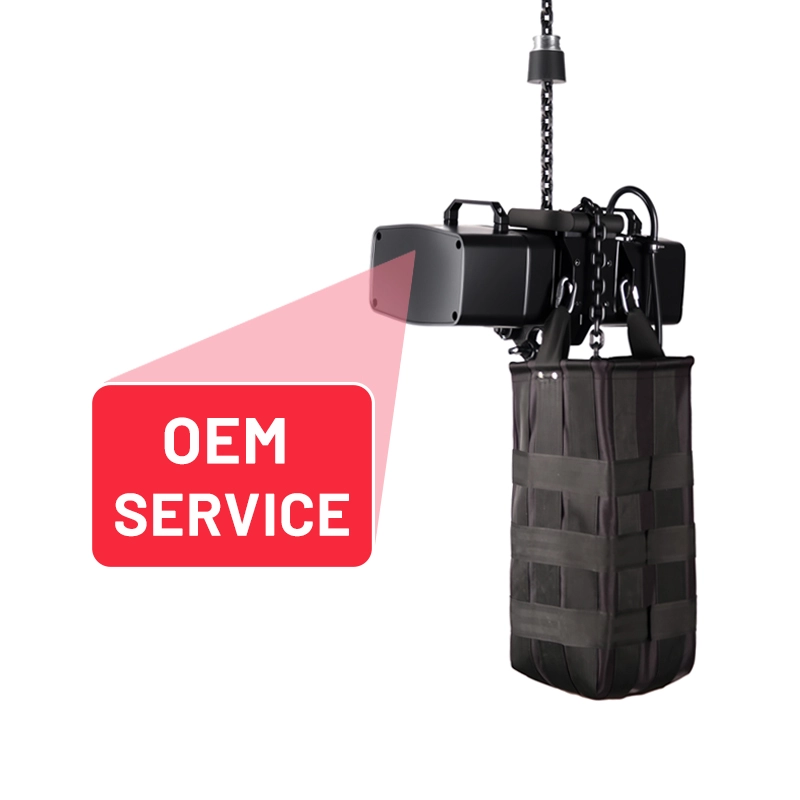
An entertainment electric chain hoist is a motorized chain hoist designed to lift stage equipment — truss, lighting and LED screens — quietly and precisely.
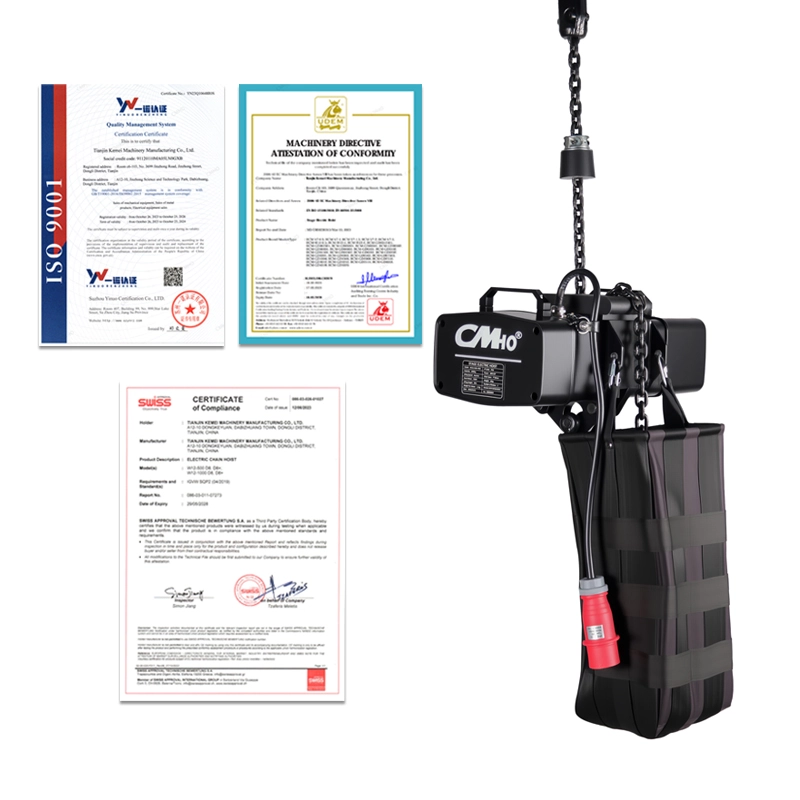
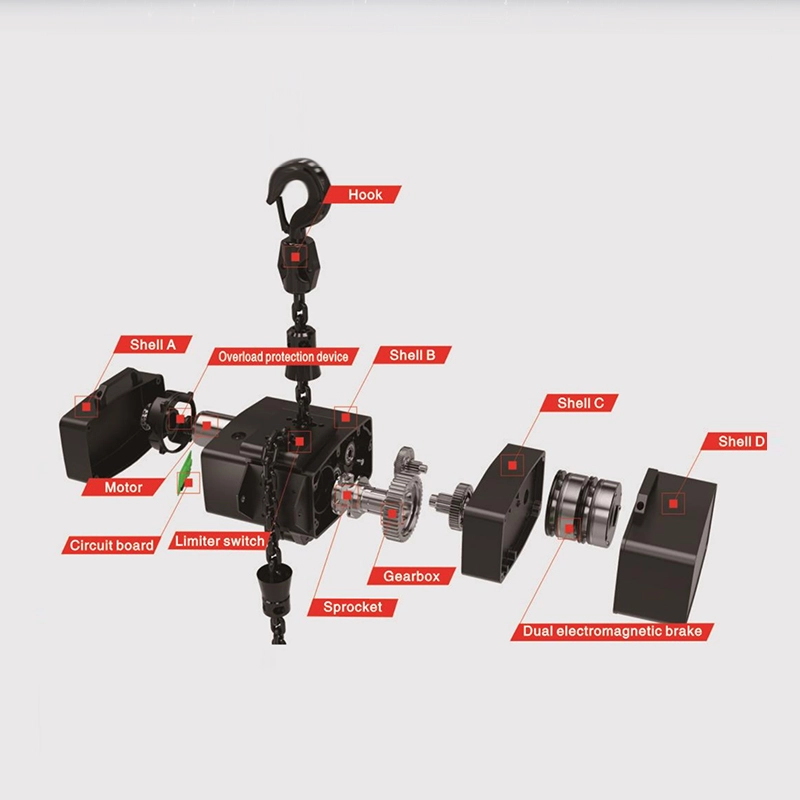
A complete set of professional stage electric chain hoist matched with heavy-duty flight case. The custom flight case provides shock protection for safe transportation and storage of the stage hoist,
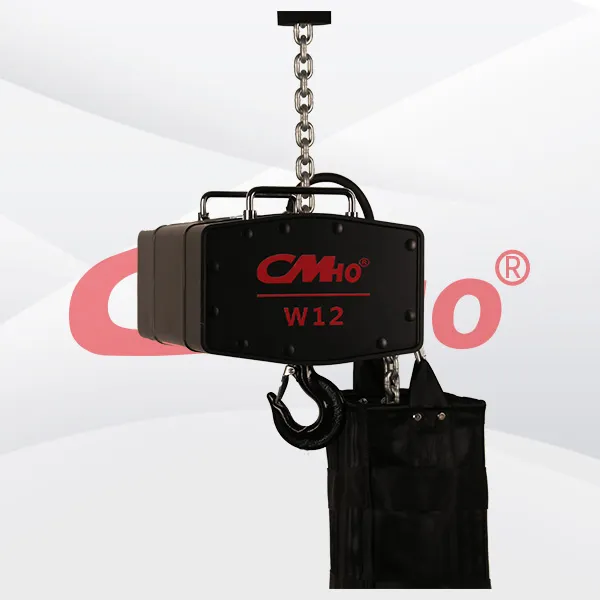
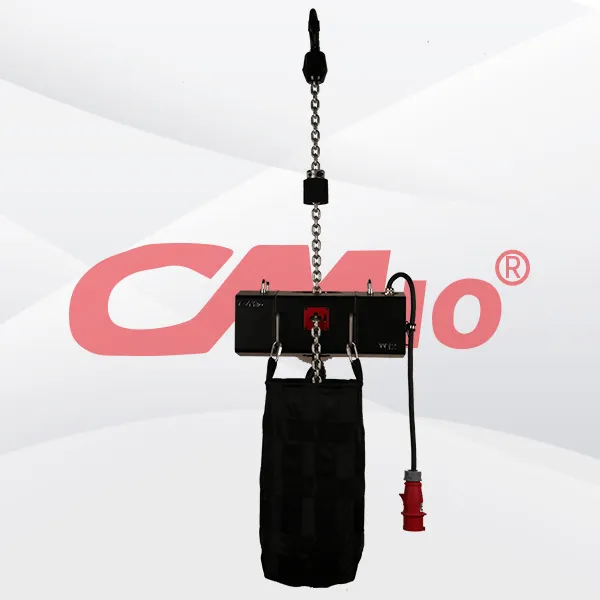
Our G100 stage lifting hoist features Grade100 high-strength alloy chain, excellent tensile strength, dual brake and IP66 waterproof for safe stage rigging.

2026-09-16
创始人
0
PLASE SHOW Vietnam Professional Lighting Sound Exh...
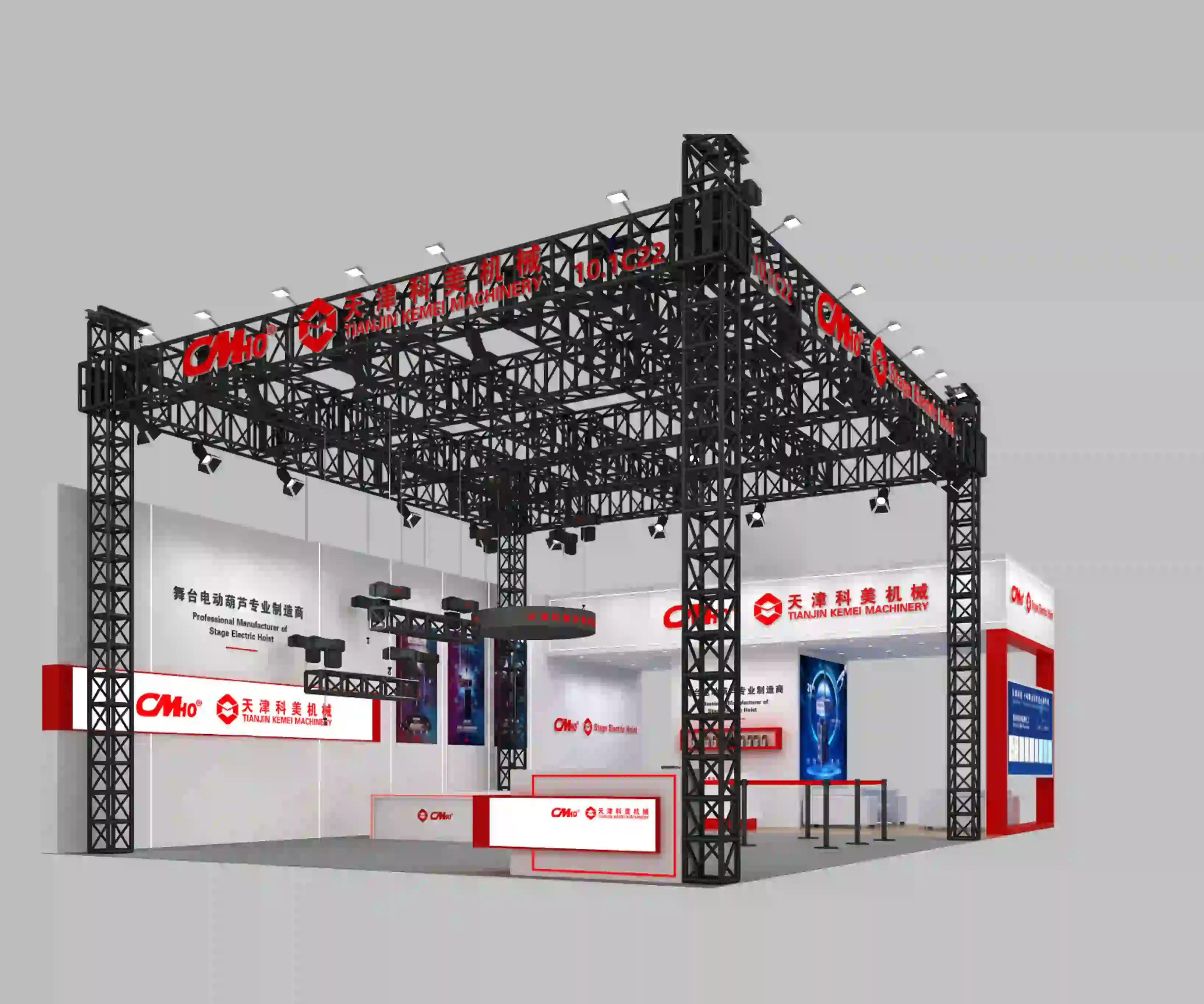
Tianjin Kemei Machinery Manufacturing Co., Ltd is honored to participate in PLASE SHOW Vietnam, the most influential professional exhibition for stage lighting, audio and ri...
2026-05-14
创始人
0
2026 Prolight Sound
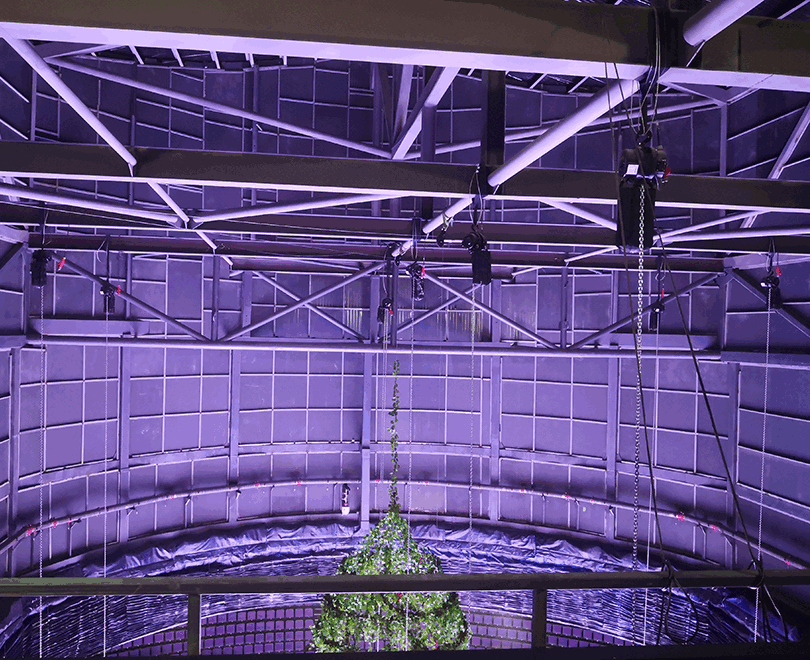
Prolight + Sound Guangzhou 2026 will grandly kick off from May 28 to 31! We sincerely invite all new and old customers to visit our booth for inspection and business negotia...
2026-04-27
admin
0
The Invisible Cloak of Stage Electric Hull
The stage electric hoist is a commonly used lifting tool when building a stage. It has a compact appearance and is easy to use
2026-03-18
创始人
0
2026 GET SHOW
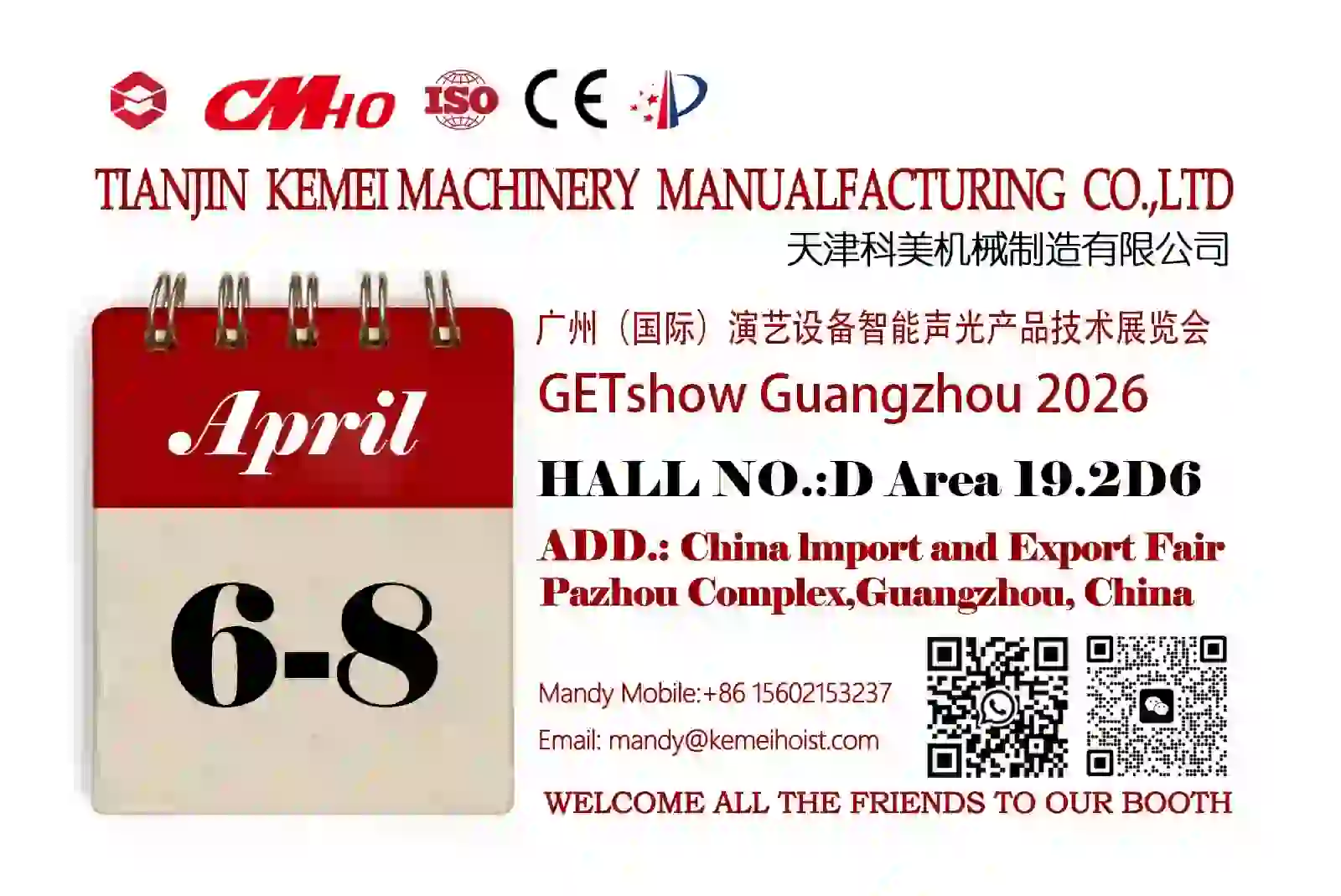
Our company will make a major appearance at the GETshow Guangzhou (International) Performing Arts Equipment, Intelligent Acoustic and Optical Equipment Technology Exhibition...