
X
Electric hoists represent their own machinery, strength, and toughness, while the stage is elegant, flowing, and soft, with conflicts and collisions between the two.
This truss event stage hoists integrated system enables efficient rigging and flexible adjustment of stage equipment, making it indispensable for concerts, exhibitions, theaters, and other live events
Category : W12 Stage Electric Hoist
Get a Quote

RELATED PRODUCTS .
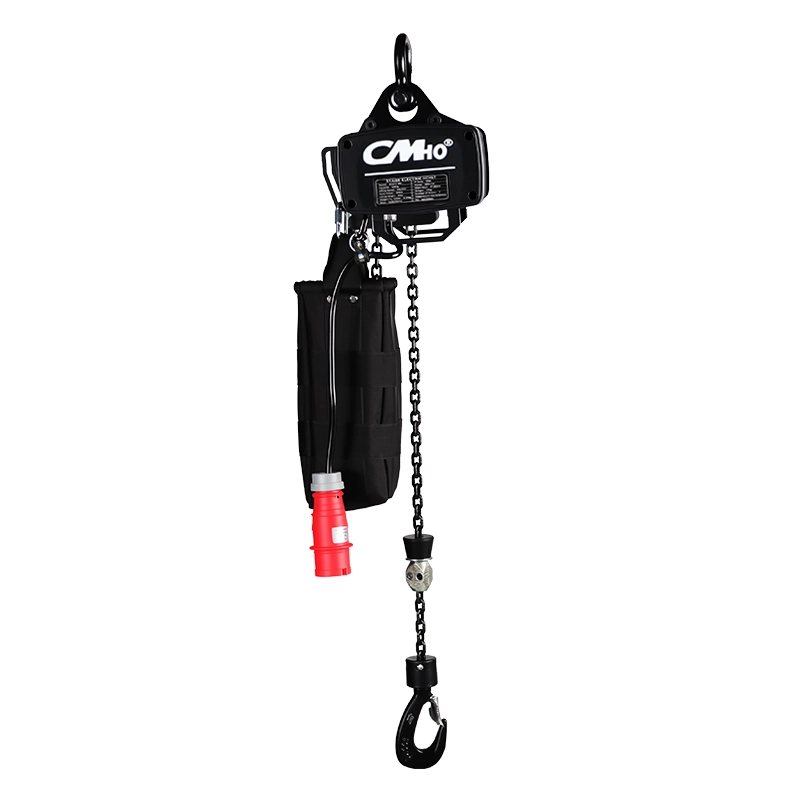
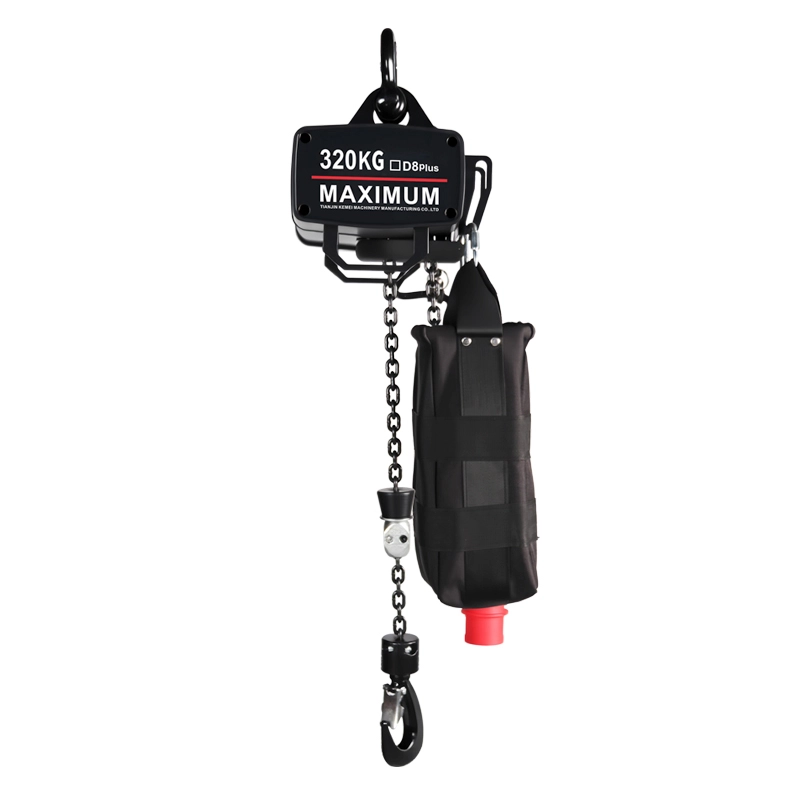
The 320kg stage winch is a compact rigging hoist for lifting kinetic lights and lightweight scenery in theatres, concerts and touring productions, with M4 and H4 duty options for varied working freque
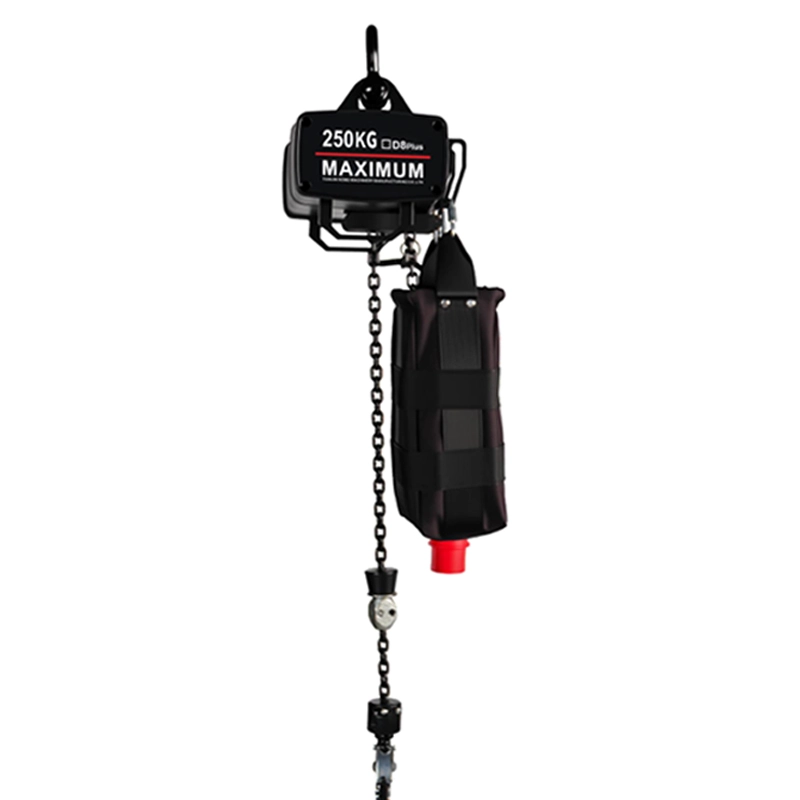
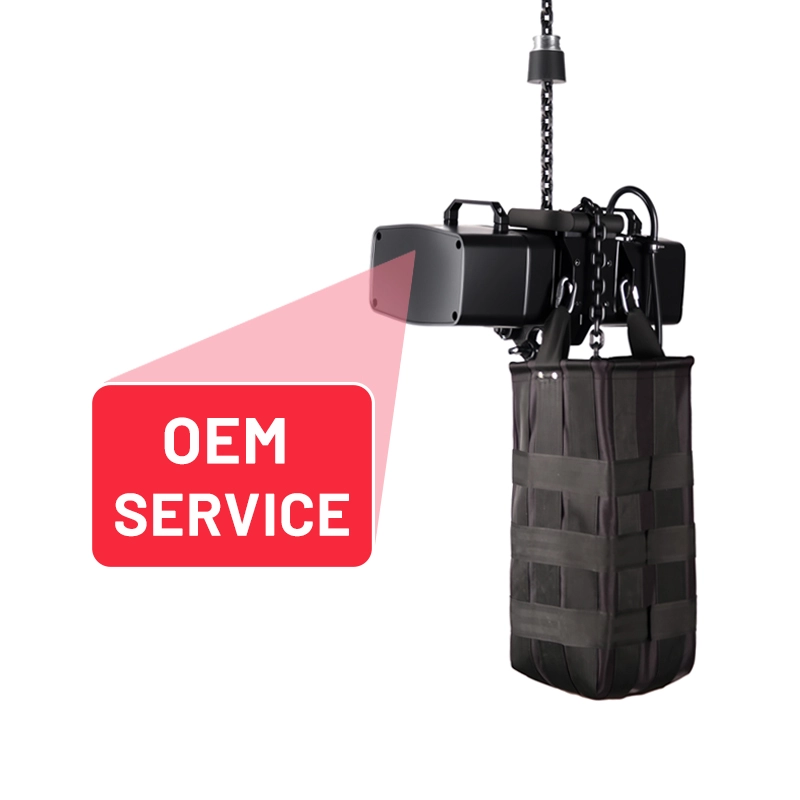
The 250kg electric chain hoist is a compact light-load lifting equipment designed for stage rigging, used to suspend lights, speakers and stage props safely and quietly.
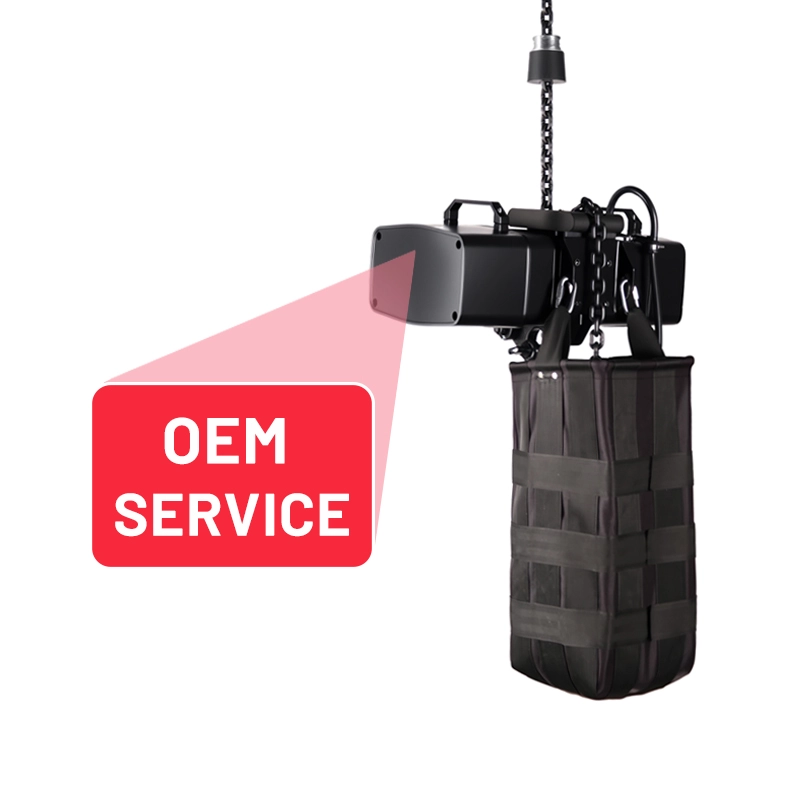
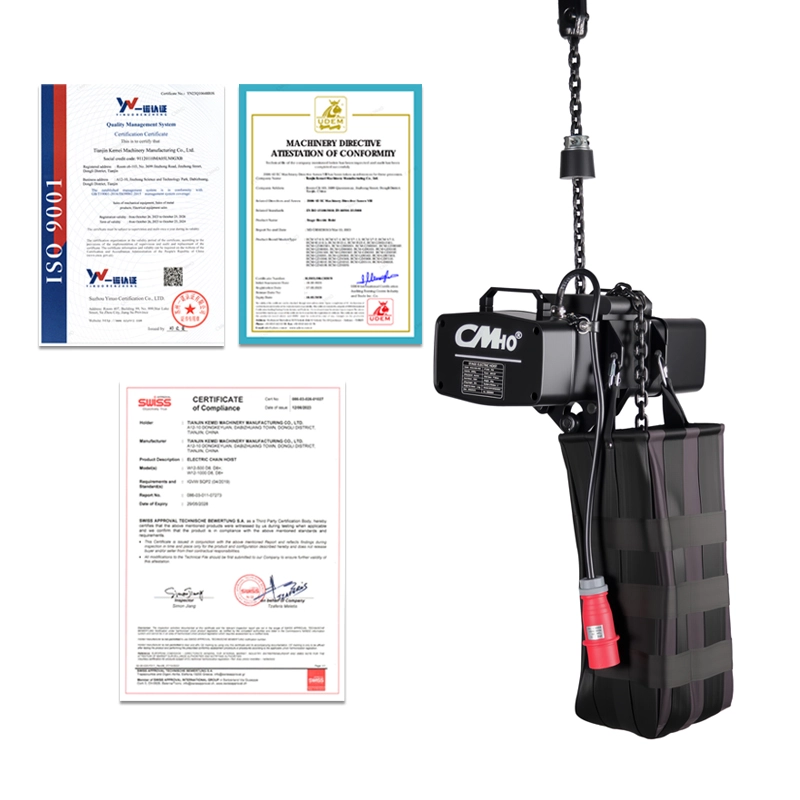
250kg stage hoist is a compact small-load rigging hoist for professional stage use. Optimized for lifting lights, audio equipment and lightweight scenery, it features quiet running, stable braking and
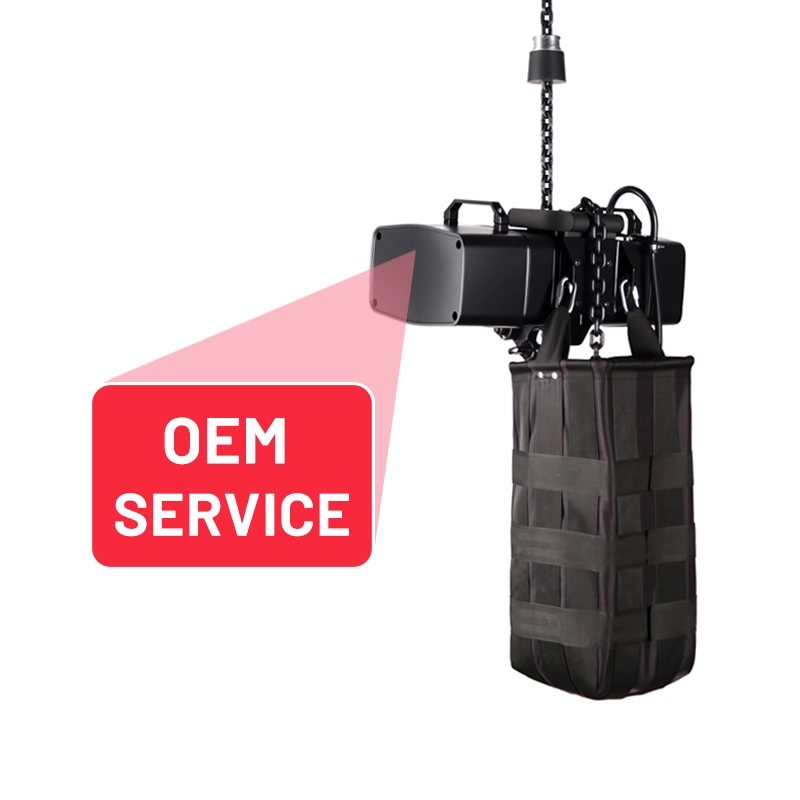
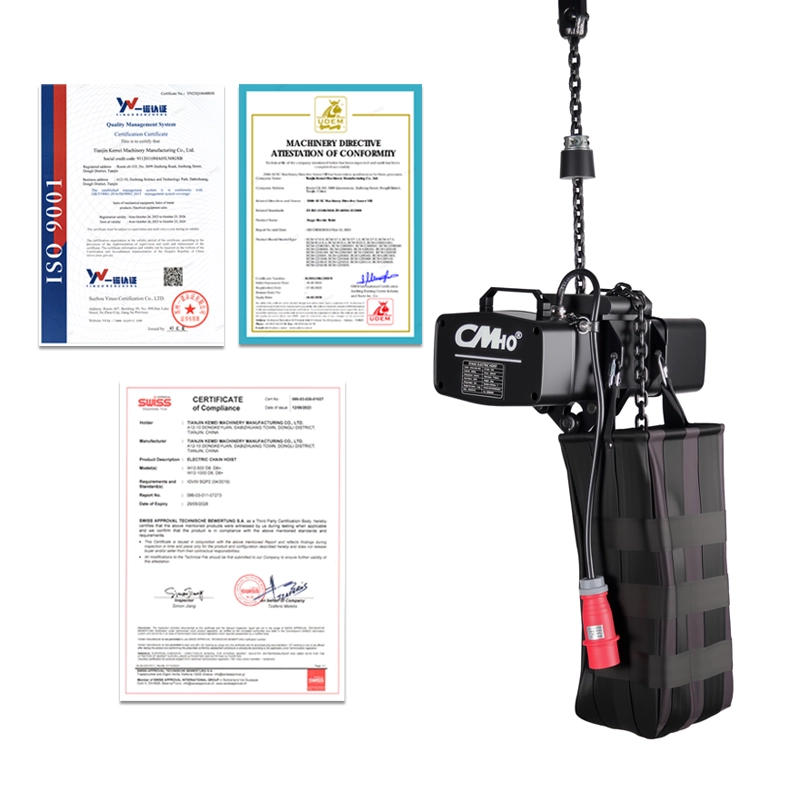
Palan électrique dédié au levage des équipements sur scène pour événements, théâtre et concerts.
2026-05-14
创始人
0
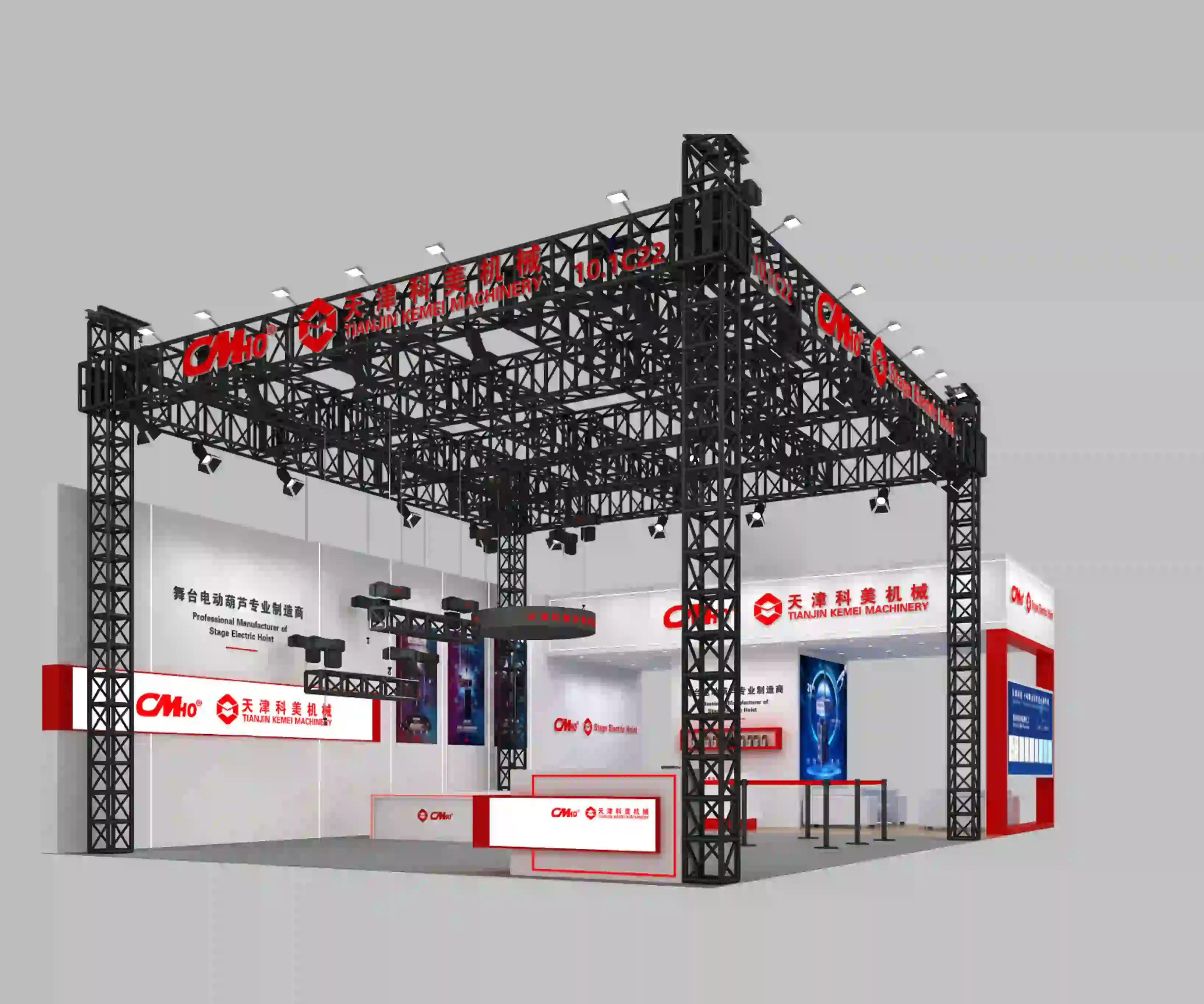
2026 Prolight Sound
Prolight + Sound Guangzhou 2026 will grandly kick off from May 28 to 31! We sincerely invite all new and old customers to visit our booth for inspection and business negotia...
2026-04-27
admin
0
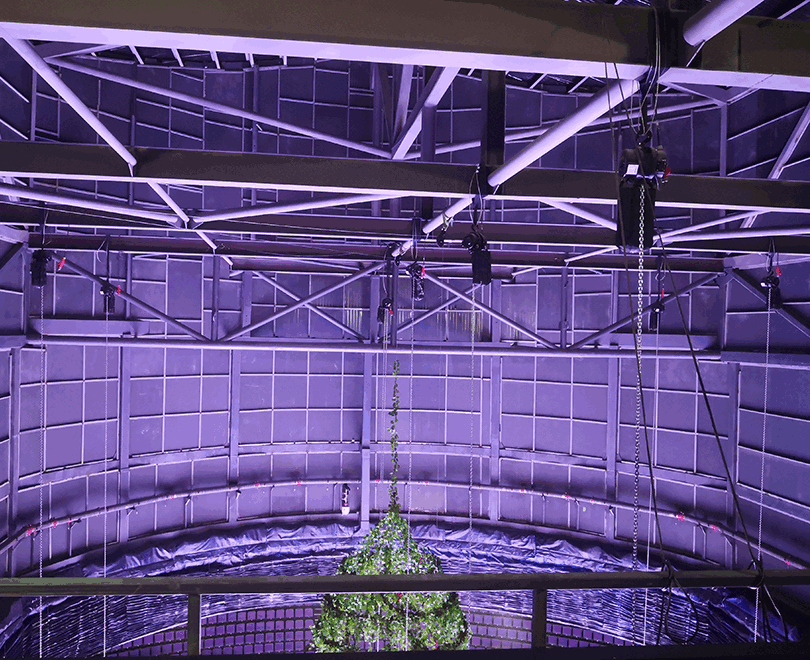
The Invisible Cloak of Stage Electric Hull
The stage electric hoist is a commonly used lifting tool when building a stage. It has a compact appearance and is easy to use
2026-03-18
创始人
0
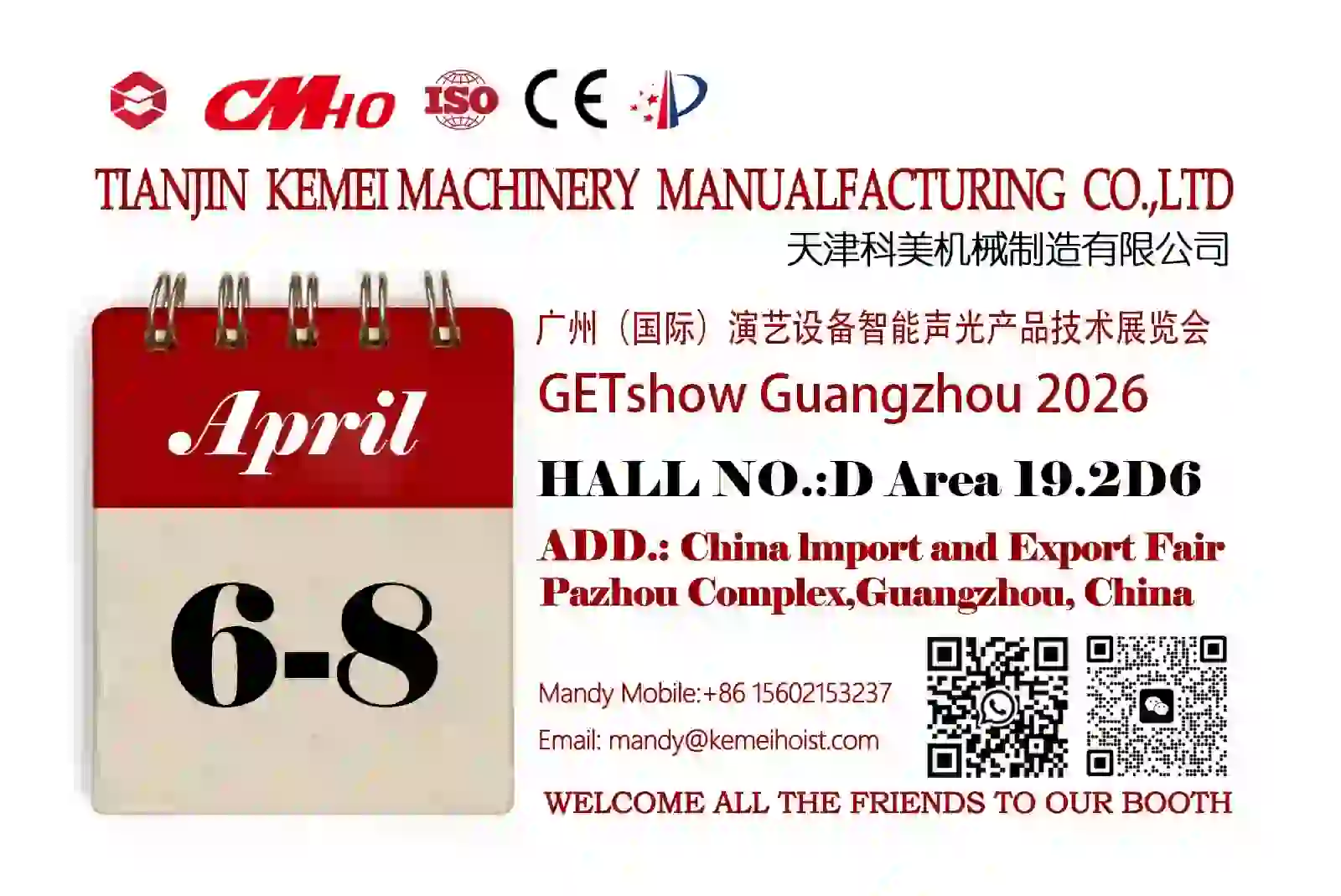
2026 GET SHOW
Our company will make a major appearance at the GETshow Guangzhou (International) Performing Arts Equipment, Intelligent Acoustic and Optical Equipment Technology Exhibition...
2025-11-05
创始人
0
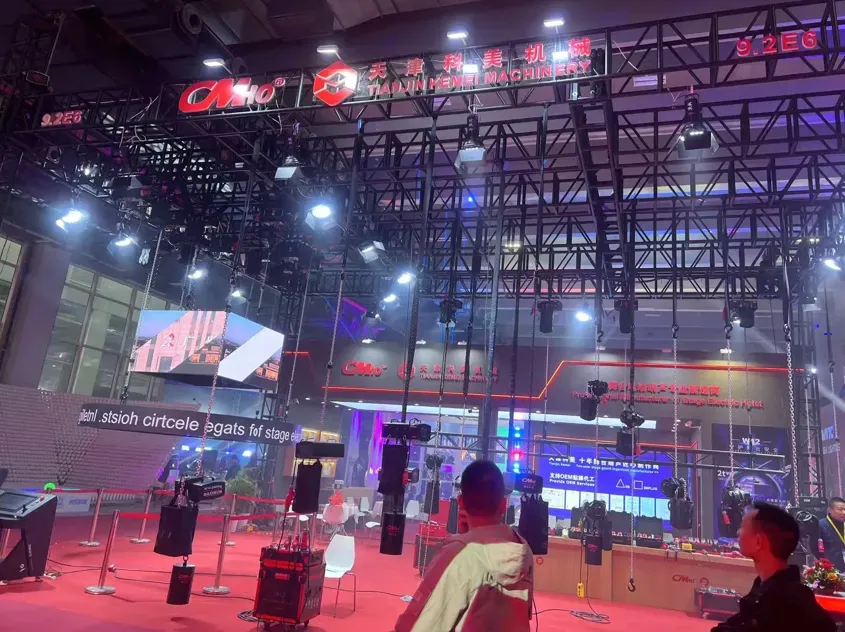
GET show Guangzhou International Performing Arts E...
Tianjin Kemei Machinery Manufacturing Co., Ltd. has been deeply engaged in the stage equipment manufacturing field for many years and has developed into a modern benchmark e...