
X
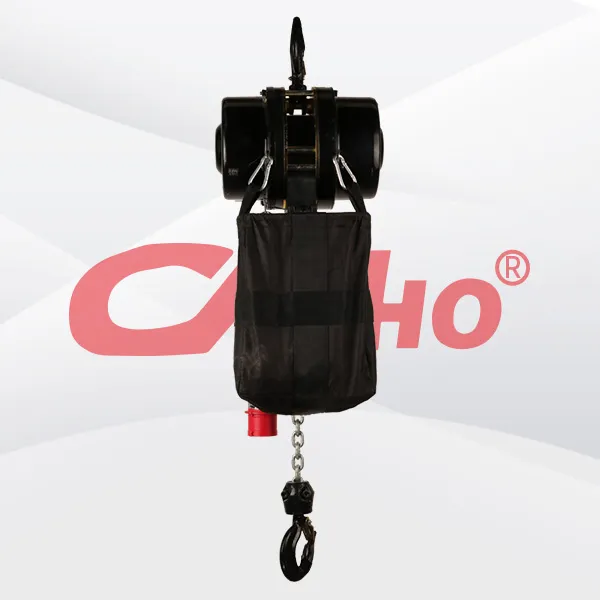
Electric hoists represent their own machinery, strength, and toughness, while the stage is elegant, flowing, and soft, with conflicts and collisions between the two.
the stage electric hoist is truly invaluable. Those dazzling spotlights and flexible follow spotlights are steadily suspended in the air with its help. They are ready to follow instructions at any tim
Category : V7 Stage Electric Series
Get a Quote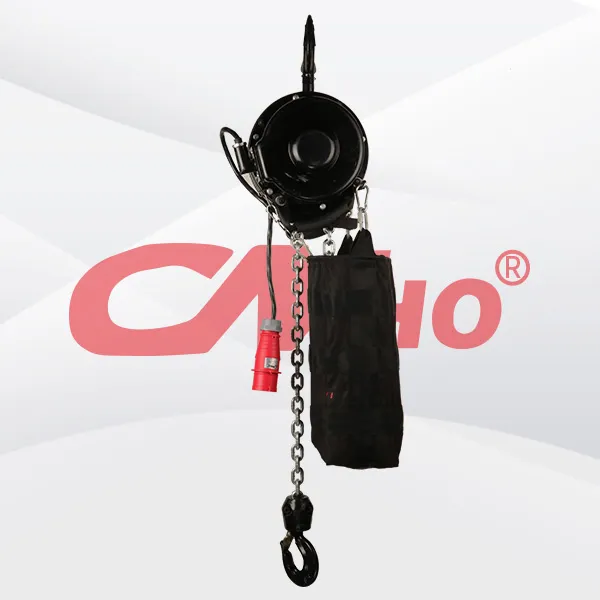

Product Details
The standards and specifications for the safe operation of stage electric hoists are as follows: Before Operation 1. **Personnel Qualifications**: Operators must undergo professional training, obtain the corresponding operation qualification certificates, and be familiar with the performance, structure, and operation methods of the equipment. 2. **Safety Protective Equipment**: Correctly wear labor - protection equipment as required, such as safety helmets, goggles, gloves, work clothes, anti - crushing shoes, etc. 3. **Equipment Inspection**: Conduct a comprehensive inspection of the electric hoist. Check whether the mechanical parts, such as gears, chains, drums, and hooks, have wear, cracks, deformation, or looseness. Examine whether the electrical wires are damaged, aged, whether the insulation is good, whether the grounding device is reliable, and whether safety devices such as limit switches, brakes, and overload protection devices are sensitive and effective. 4. **Working Environment Inspection**: Observe the stage and its surrounding environment to ensure that the working area is free of obstacles, the passageways are unobstructed, the lighting is good, and there are no flammable, explosive, or other dangerous items. Check whether the suspension points on the top of the stage are firm and whether their load - bearing capacity meets the requirements. During Operation 1. **Load Control**: Lift loads strictly in accordance with the rated load of the electric hoist and do not overload. Before lifting, accurately understand the weight of the object to be lifted. It is strictly prohibited to lift objects with unknown weights. 2. **Lifting Operation**: Lift the object vertically. Diagonal pulling and slanting lifting are strictly prohibited. Ensure that the object to be lifted is firmly tied and its center of gravity is stable. At the beginning of lifting, lift slowly. When the object is 100mm - 200mm above the ground, pause to check the braking condition of the electric hoist and the stability of the object to be lifted. Continue lifting only after confirming that everything is in order. 3. **Operation during Movement**: During the operation of the electric hoist, the operator should concentrate and closely monitor the movement state of the object to be lifted and the surrounding environment. Collisions with other equipment or objects are strictly prohibited. Slow down when passing through track bends or approaching the end of the track. 4. **Personal Safety**: During the lifting process, it is strictly prohibited for anyone to stand below the electric hoist, and it is also prohibited for heavy objects to pass over people's heads. The commander and the slinger should stand in obvious and safe positions. When hooking, the hand should hold the outside of the hook. It is strictly prohibited to place hands or feet between the ropes and the lifted object. 5. **Handling of Abnormalities**: If the electric hoist shows abnormal conditions such as strange odors, abnormal noises, overheating, or shaking during operation, or if the safety device is activated, stop the operation immediately and notify professional maintenance personnel for inspection and repair. Unauthorized handling is strictly prohibited. After Operation 1. **Parking Location**: After the operation is completed, the electric hoist should be parked in the designated position. Raise the hook to a height of more than 2m above the ground to prevent people from colliding with it. Cut off the power supply and lock the switch box. 2. **Equipment Cleaning**: Clean the debris from the electric hoist and the working area to keep the equipment and the site clean. Record the problems or malfunctions found during the use to provide a basis for subsequent maintenance.
3. **Inspection and Confirmation**: Before leaving, the operator should re - check the parking state of the electric hoist, the position of the hook, and the power - off situation to ensure that there are no potential safety hazards.
RELATED PRODUCTS .
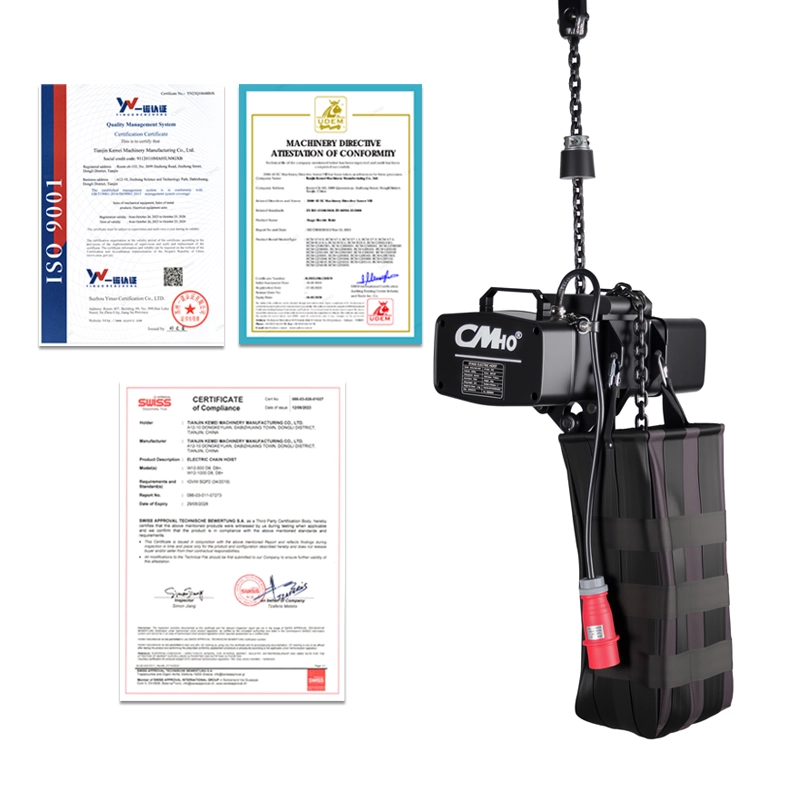
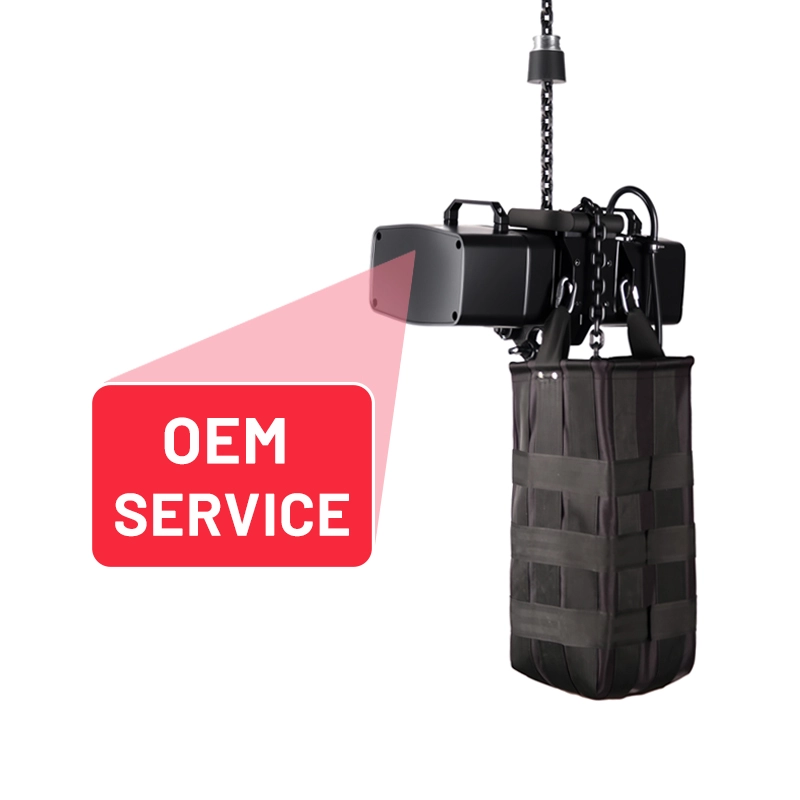
An entertainment electric chain hoist is a motorized chain hoist designed to lift stage equipment — truss, lighting and LED screens — quietly and precisely.
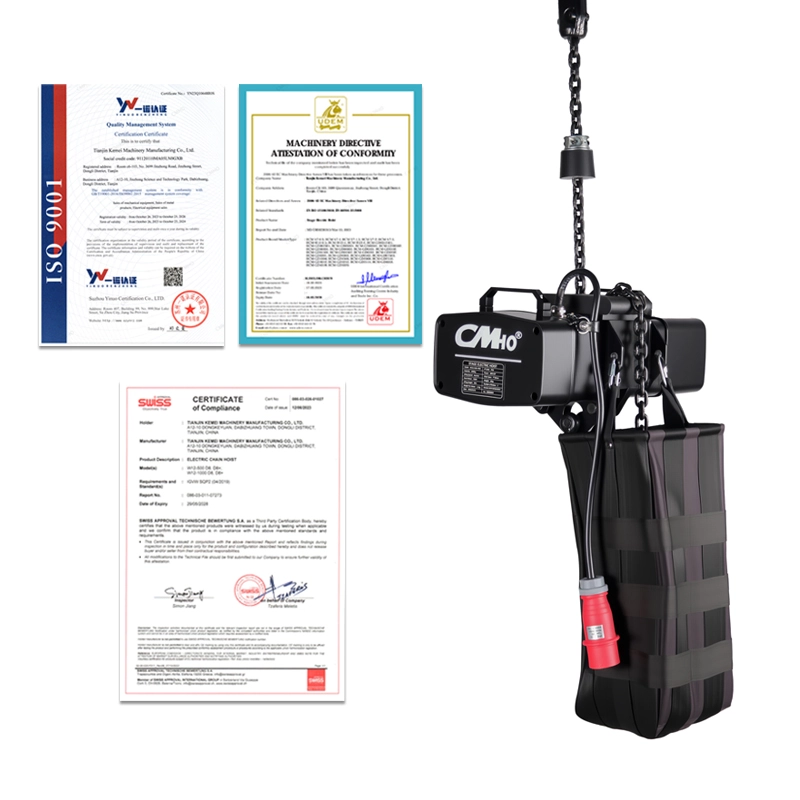
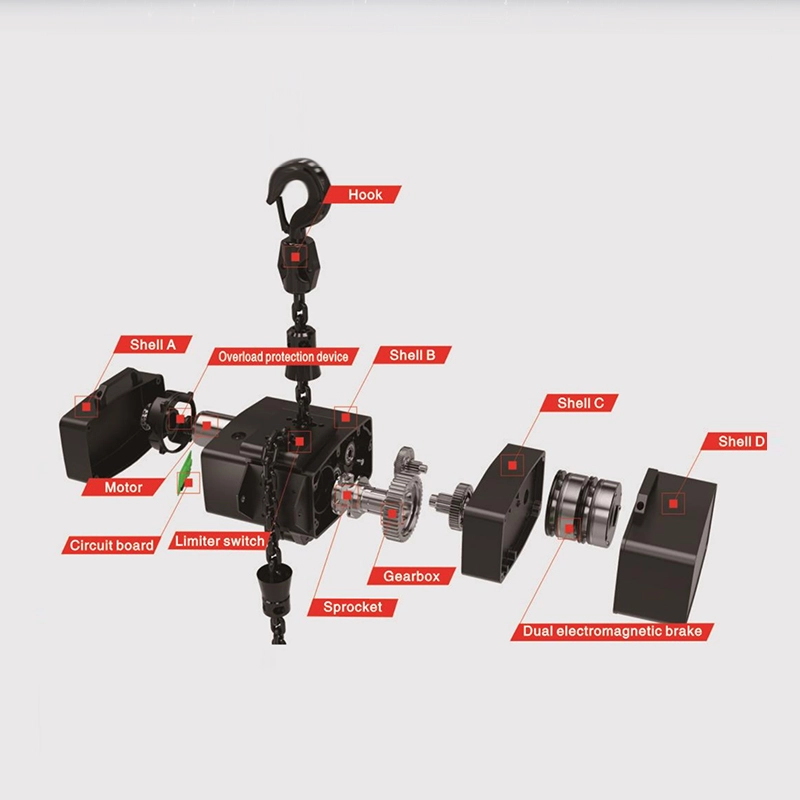
A complete set of professional stage electric chain hoist matched with heavy-duty flight case. The custom flight case provides shock protection for safe transportation and storage of the stage hoist,
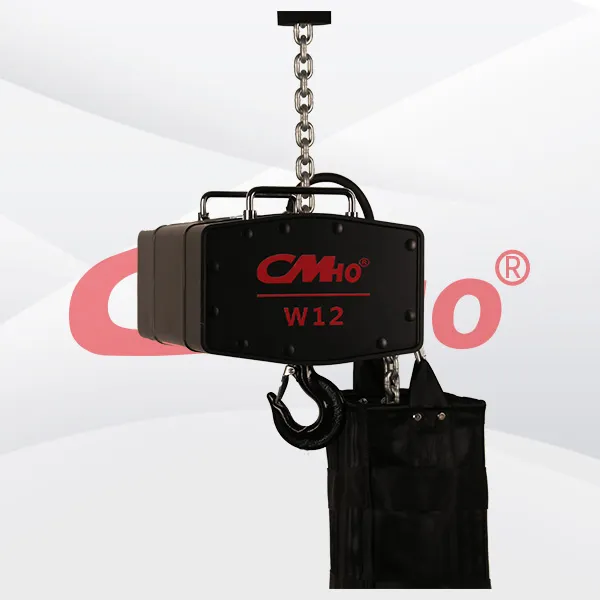
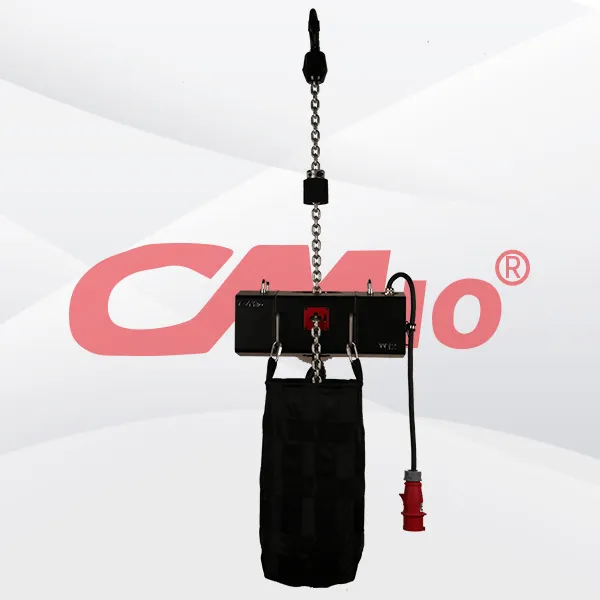
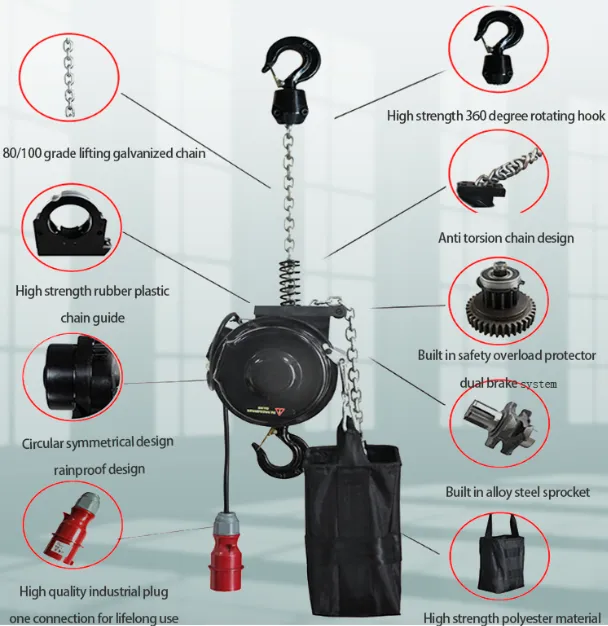
Our G100 stage lifting hoist features Grade100 high-strength alloy chain, excellent tensile strength, dual brake and IP66 waterproof for safe stage rigging.
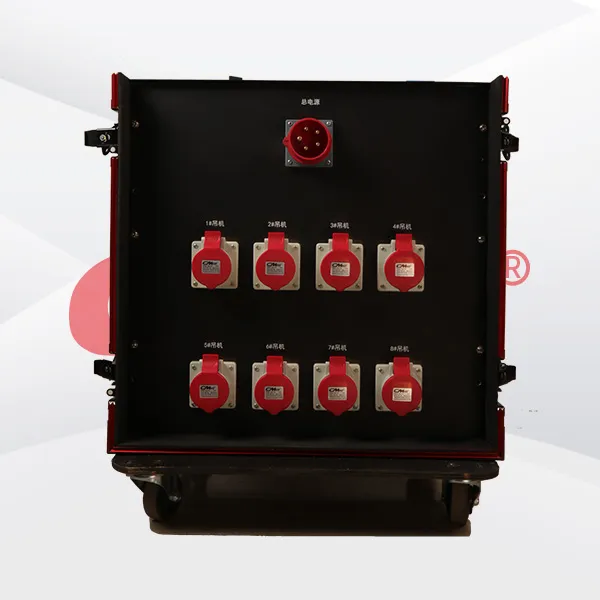
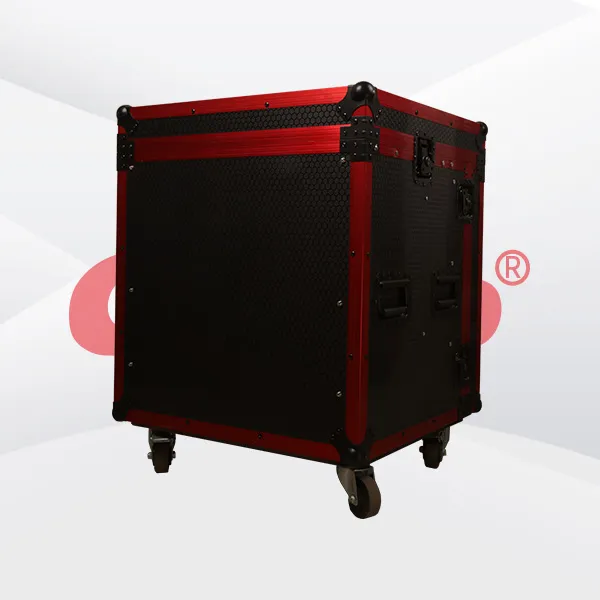
A dedicated electrical control enclosure for stage electric chain hoists. It serves as the operation hub to control hoist lifting, lowering and stopping, with built-in safety protections. It supports

2026-09-16
创始人
0
PLASE SHOW Vietnam Professional Lighting Sound Exh...
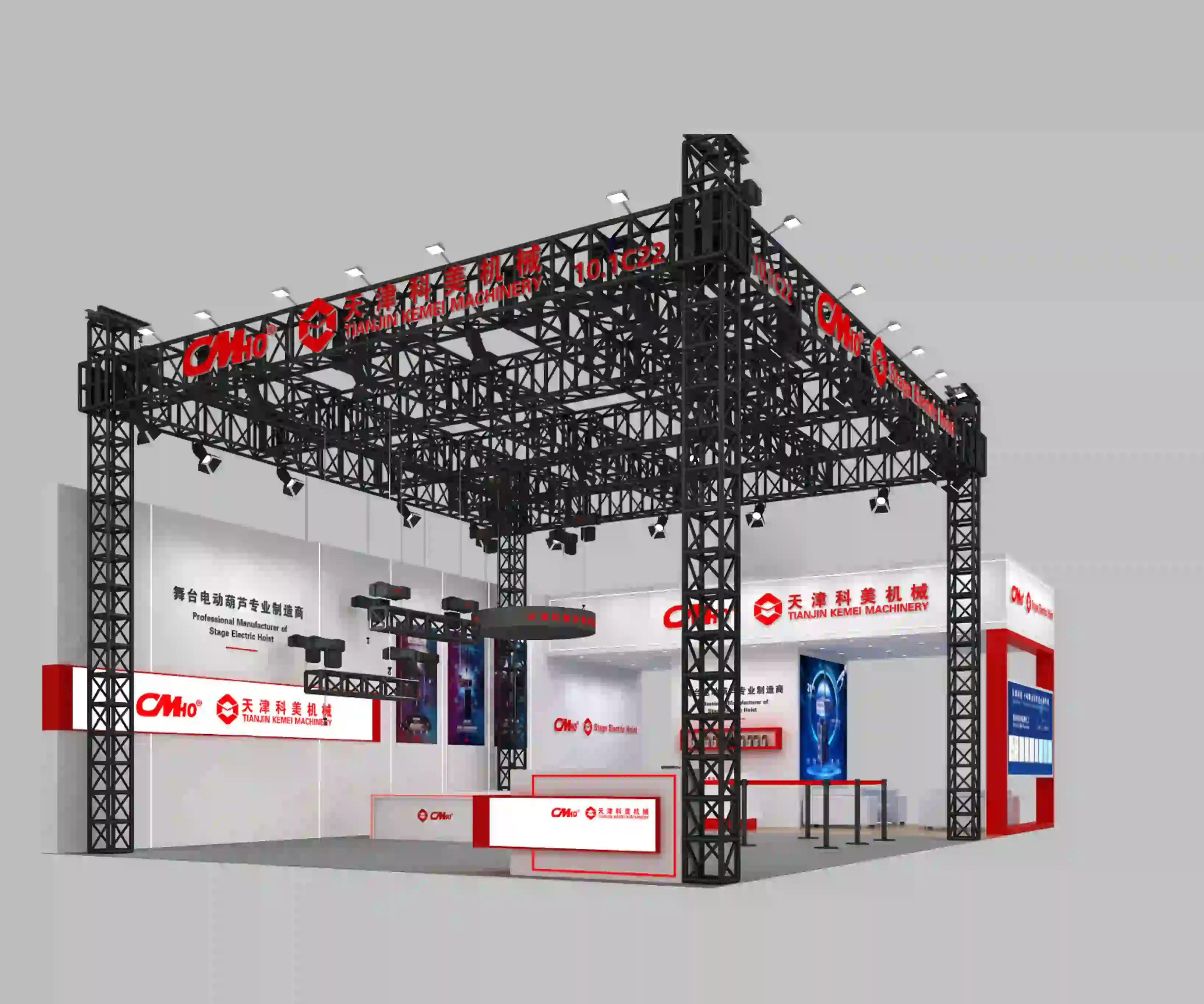
Tianjin Kemei Machinery Manufacturing Co., Ltd is honored to participate in PLASE SHOW Vietnam, the most influential professional exhibition for stage lighting, audio and ri...
2026-05-14
创始人
0
2026 Prolight Sound
Prolight + Sound Guangzhou 2026 will grandly kick off from May 28 to 31! We sincerely invite all new and old customers to visit our booth for inspection and business negotia...
2026-04-27
admin
0
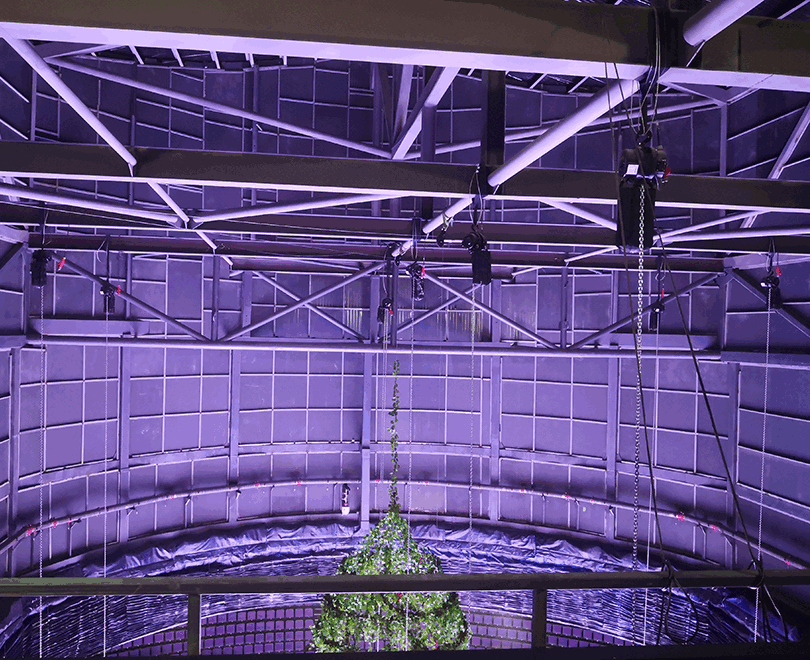
The Invisible Cloak of Stage Electric Hull
The stage electric hoist is a commonly used lifting tool when building a stage. It has a compact appearance and is easy to use
2026-03-18
创始人
0
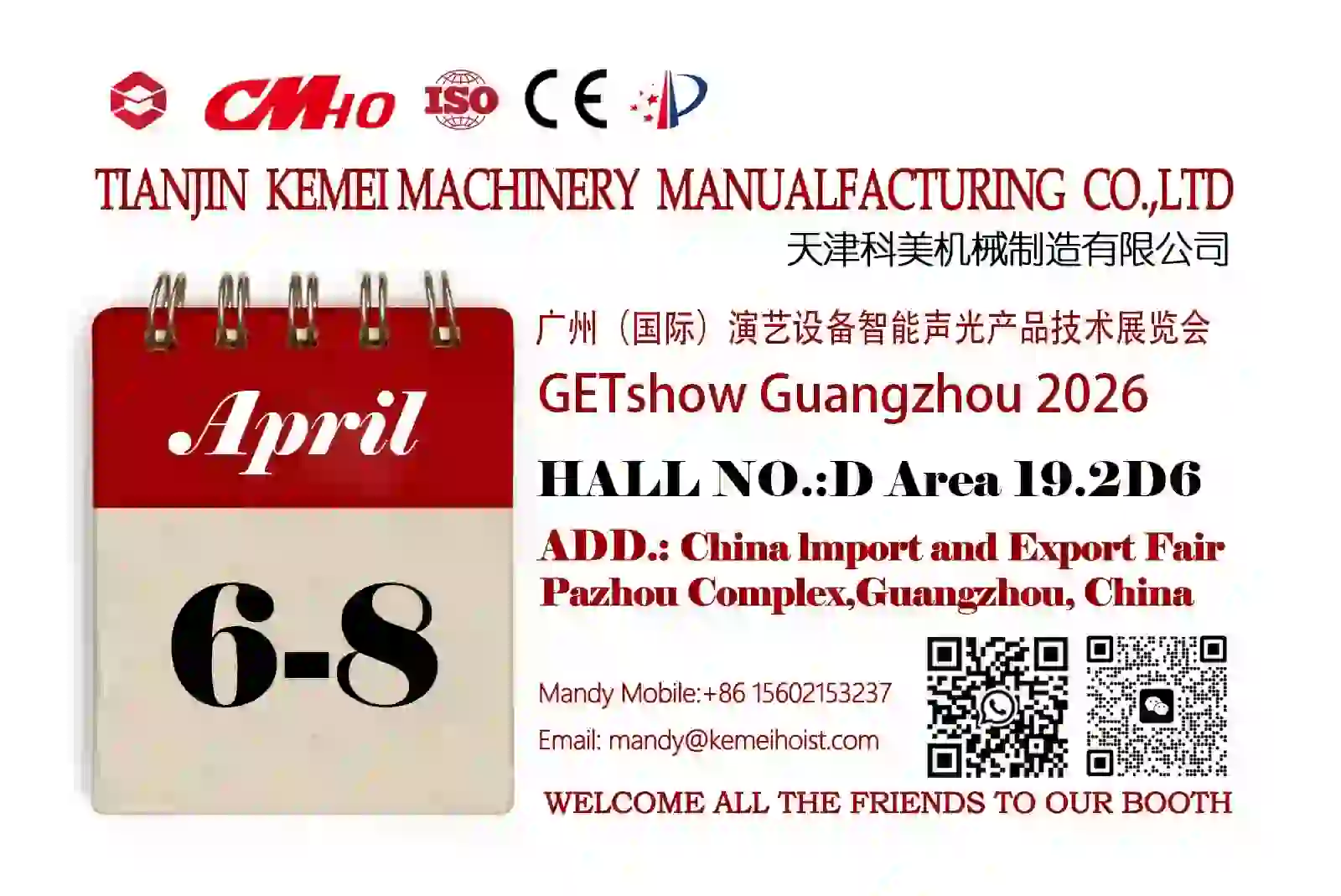
2026 GET SHOW
Our company will make a major appearance at the GETshow Guangzhou (International) Performing Arts Equipment, Intelligent Acoustic and Optical Equipment Technology Exhibition...