
X
Electric hoists represent their own machinery, strength, and toughness, while the stage is elegant, flowing, and soft, with conflicts and collisions between the two.
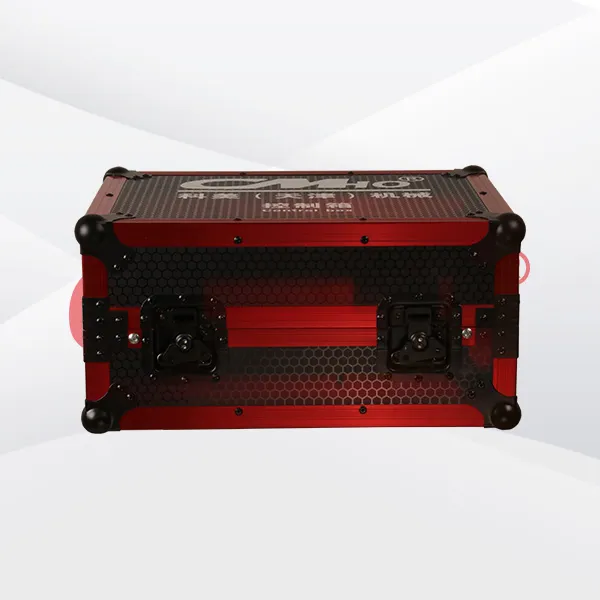
The installation and debugging of the portable truss hoist controller should be carried out strictly in accordance with the instruction manual and relevant safety regulations. During the debugging pro
Category : Controller
Get a Quote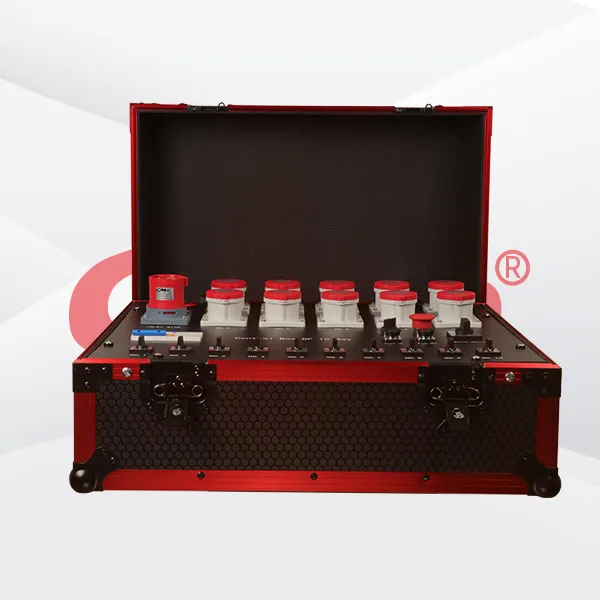

Product Details
Debugging Steps of the Portable Truss Hoist Controller
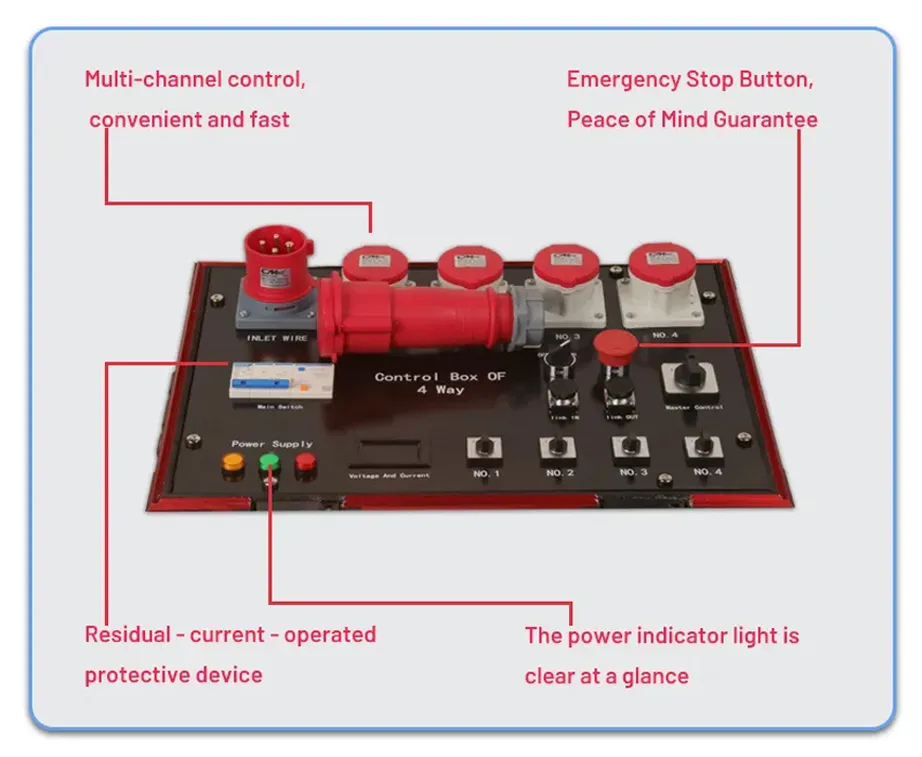
1. Pre-power-on Inspection: Close the power switch after confirming that the wiring of the portable truss hoist controller is correct and the parameters are in compliance.
2. Initialization: Set parameters such as the motor, speed, and limit positions through the interface or programming port according to the model of the hoist and the actual requirements.
3. Motor Debugging: Conduct a jog test to check the rotation direction of the motor. If the direction is incorrect, adjust the phase sequence. Then, perform an no-load operation to check the smoothness of the motor's operation.
4. Limit Setting: Adjust the sensors to ensure that the hoist stops at the limit positions, and fine-tune the sensitivity as
needed.
5. Overload Test: If this function is available, gradually increase the load to verify that the controller can alarm and stop the motor when overloaded, and ensure the safety of the load.
6. Speed Adjustment: Check whether the speed of each gear meets the standard and whether the speed switching is smooth.
7. Special Functions: Test the availability of functions such as remote control and fault diagnosis of the portable truss hoist controller.
8. Full-load Operation: After completing the above debugging steps, perform multiple full-load lifting, lowering, and horizontal movement operations to check the overall performance of the controller and the hoist as well as the status of each component. Check and troubleshoot immediately if any abnormalities are found.
RELATED PRODUCTS .
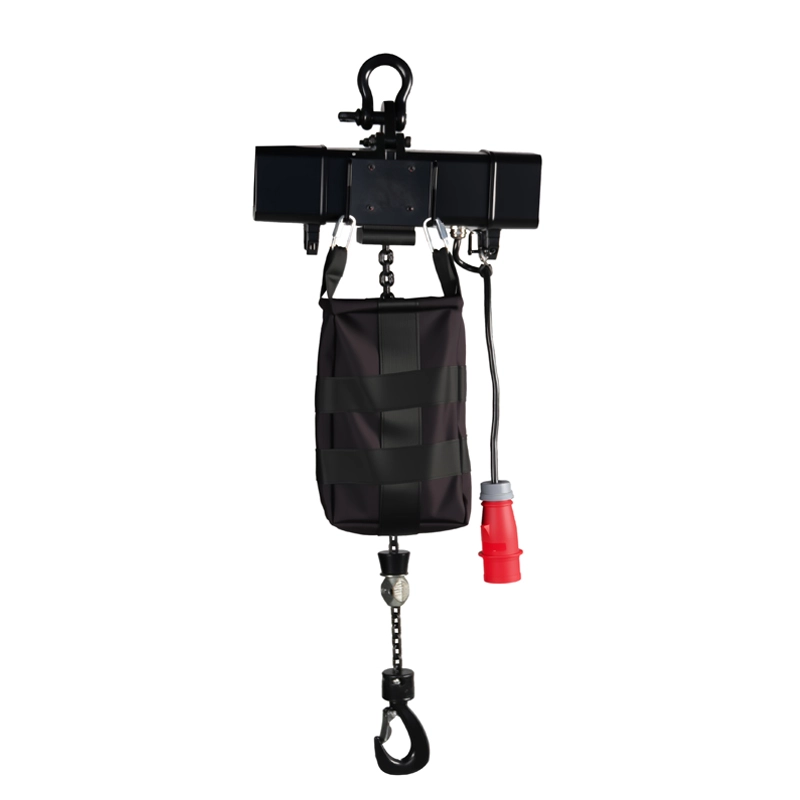
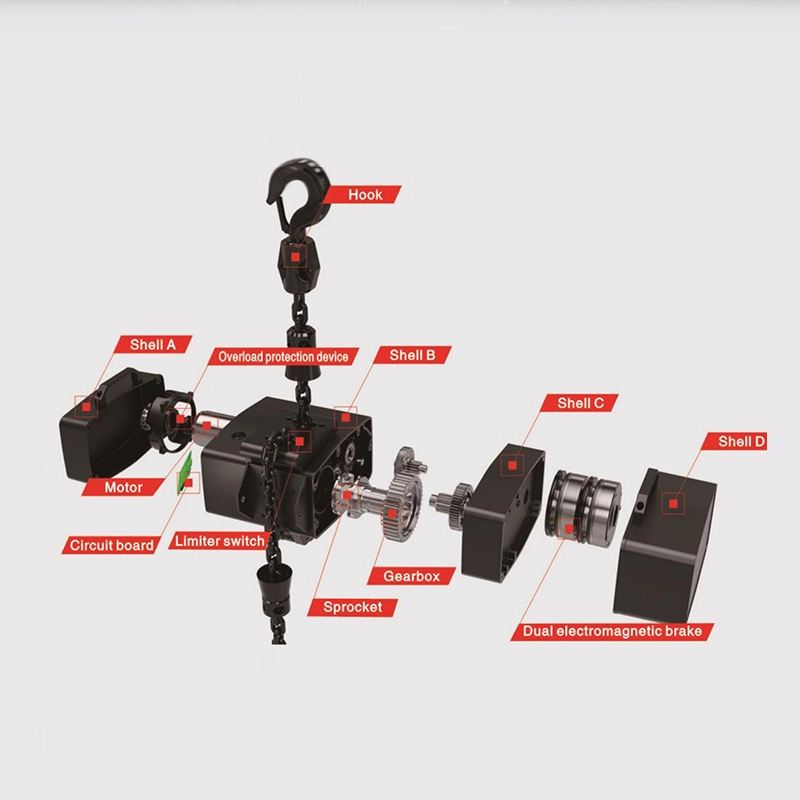
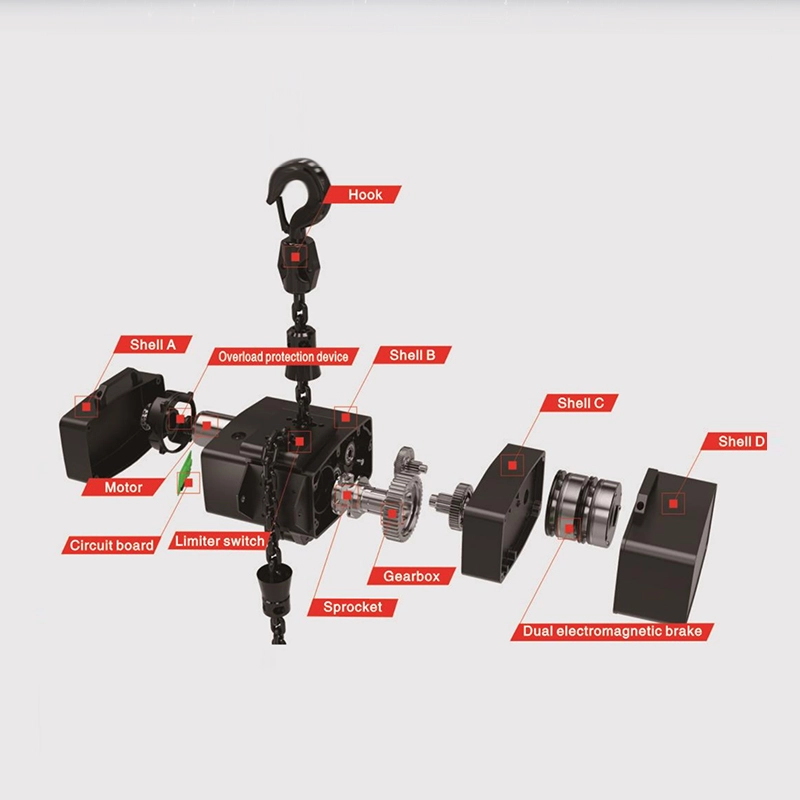
A 1 ton stage electric chain hoist is CE-certified lifting equipment specially engineered for theatre, concert and event rigging. Complying with EU machinery directives, it comes with built-in multi-s
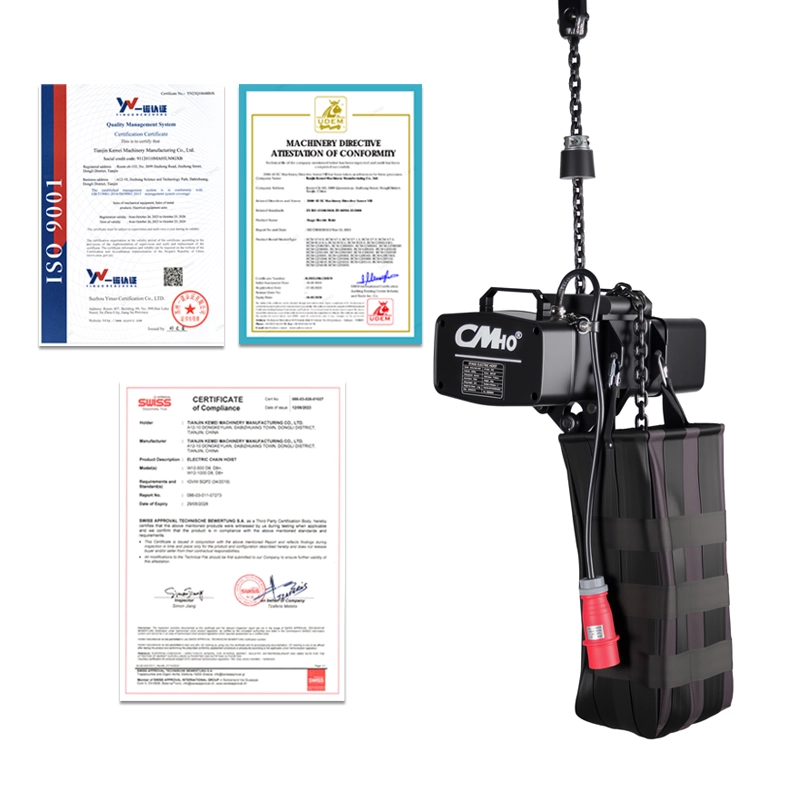
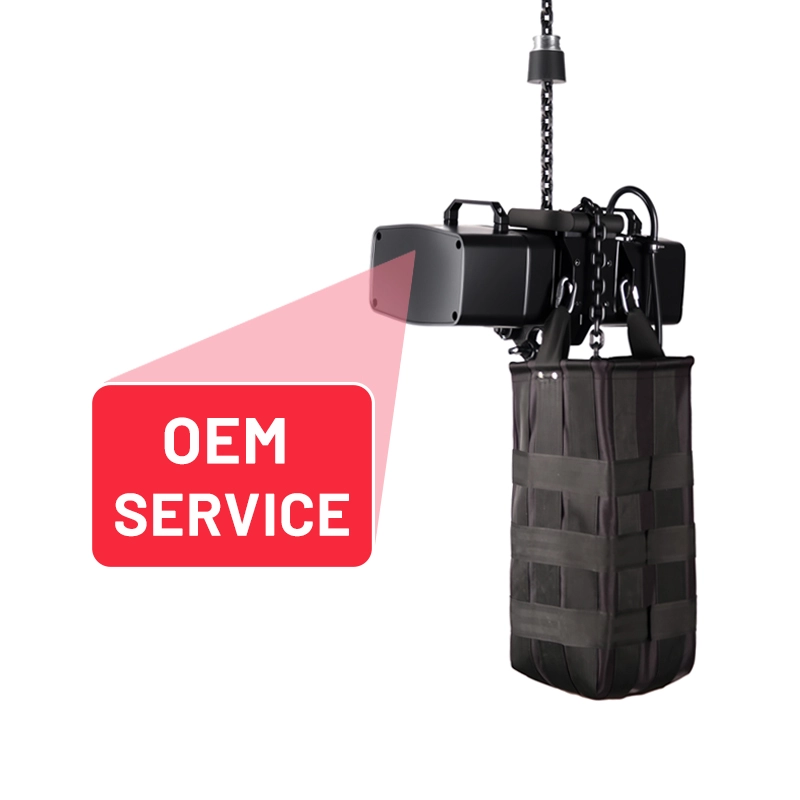
An entertainment electric chain hoist is a motorized chain hoist designed to lift stage equipment — truss, lighting and LED screens — quietly and precisely.
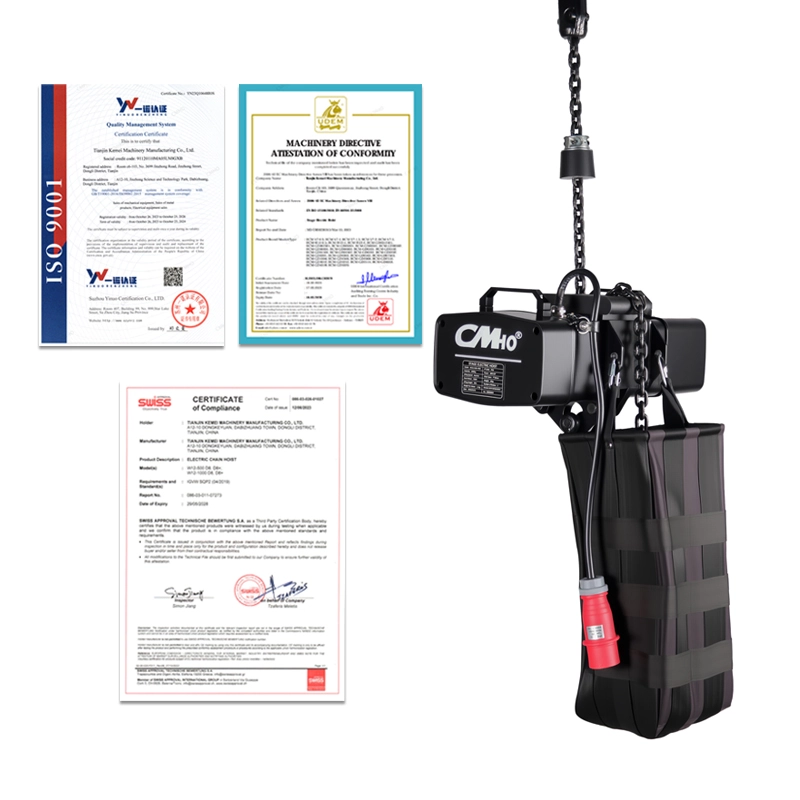
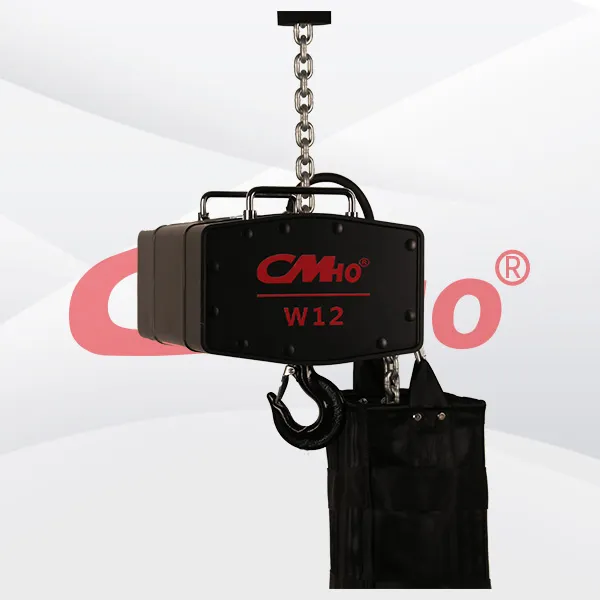
A complete set of professional stage electric chain hoist matched with heavy-duty flight case. The custom flight case provides shock protection for safe transportation and storage of the stage hoist,
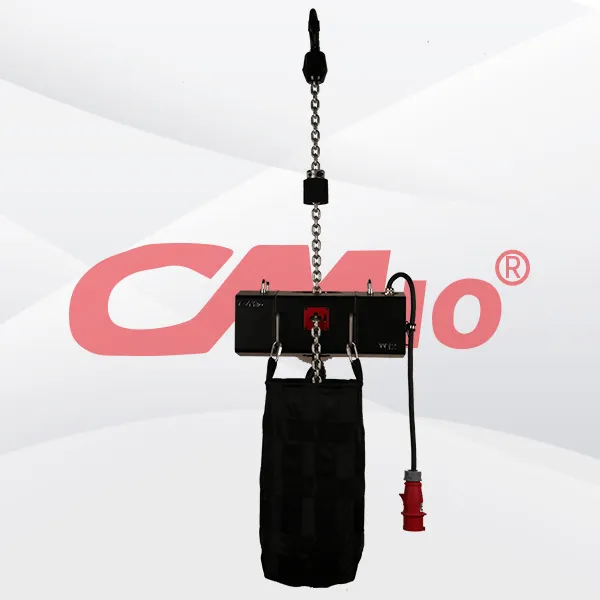
Our G100 stage lifting hoist features Grade100 high-strength alloy chain, excellent tensile strength, dual brake and IP66 waterproof for safe stage rigging.

2026-09-16
创始人
0
PLASE SHOW Vietnam Professional Lighting Sound Exh...
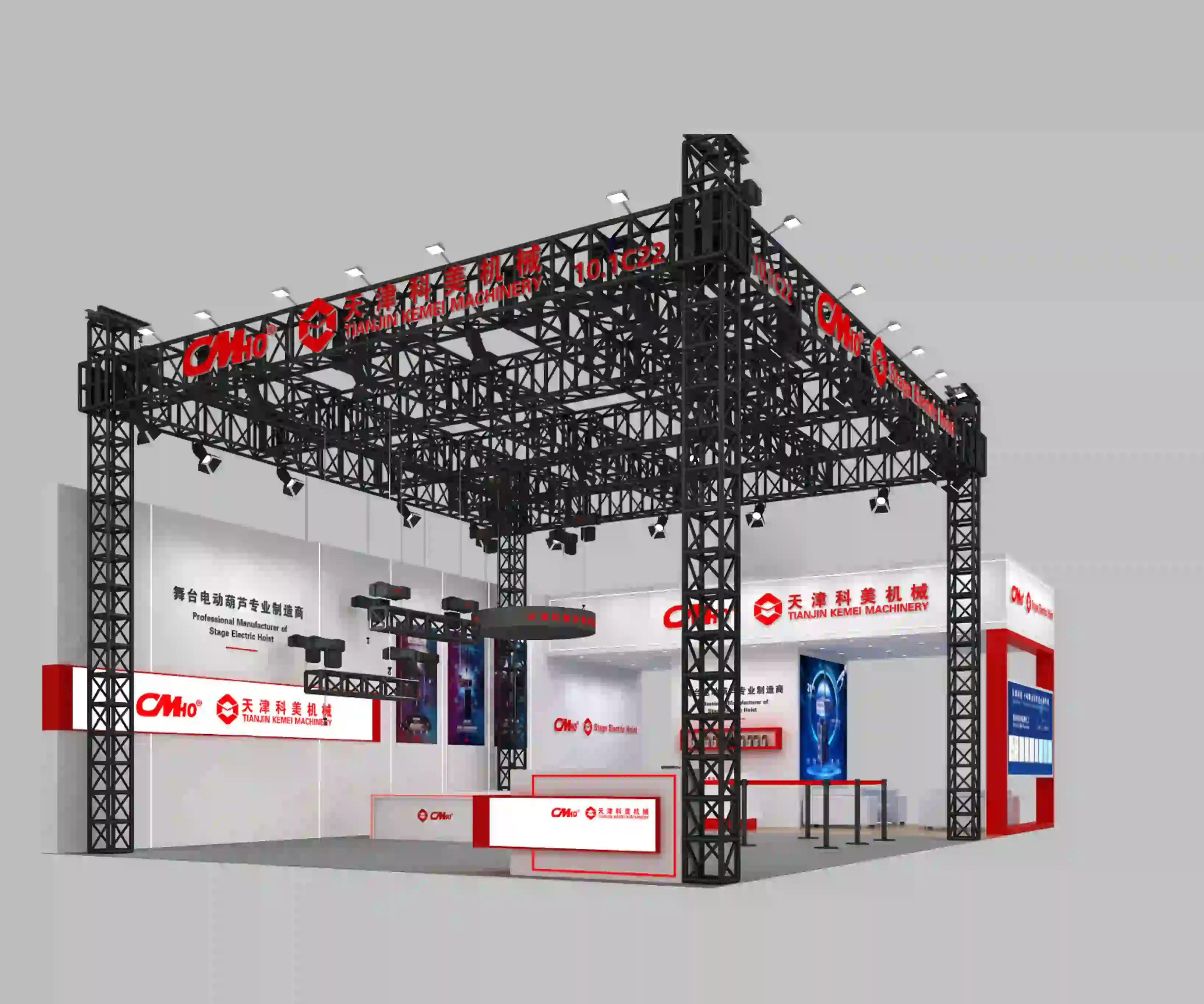
Tianjin Kemei Machinery Manufacturing Co., Ltd is honored to participate in PLASE SHOW Vietnam, the most influential professional exhibition for stage lighting, audio and ri...
2026-05-14
创始人
0
2026 Prolight Sound
Prolight + Sound Guangzhou 2026 will grandly kick off from May 28 to 31! We sincerely invite all new and old customers to visit our booth for inspection and business negotia...
2026-04-27
admin
0
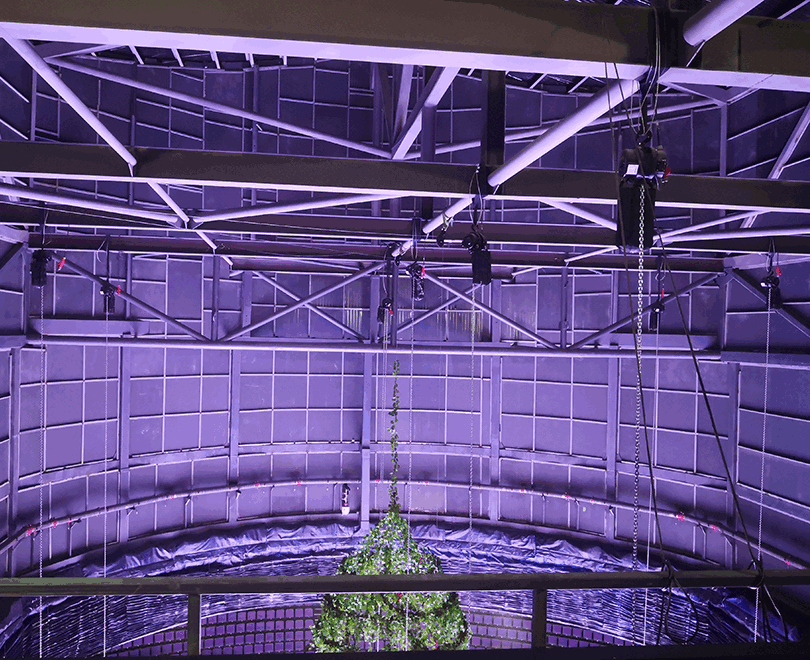
The Invisible Cloak of Stage Electric Hull
The stage electric hoist is a commonly used lifting tool when building a stage. It has a compact appearance and is easy to use
2026-03-18
创始人
0
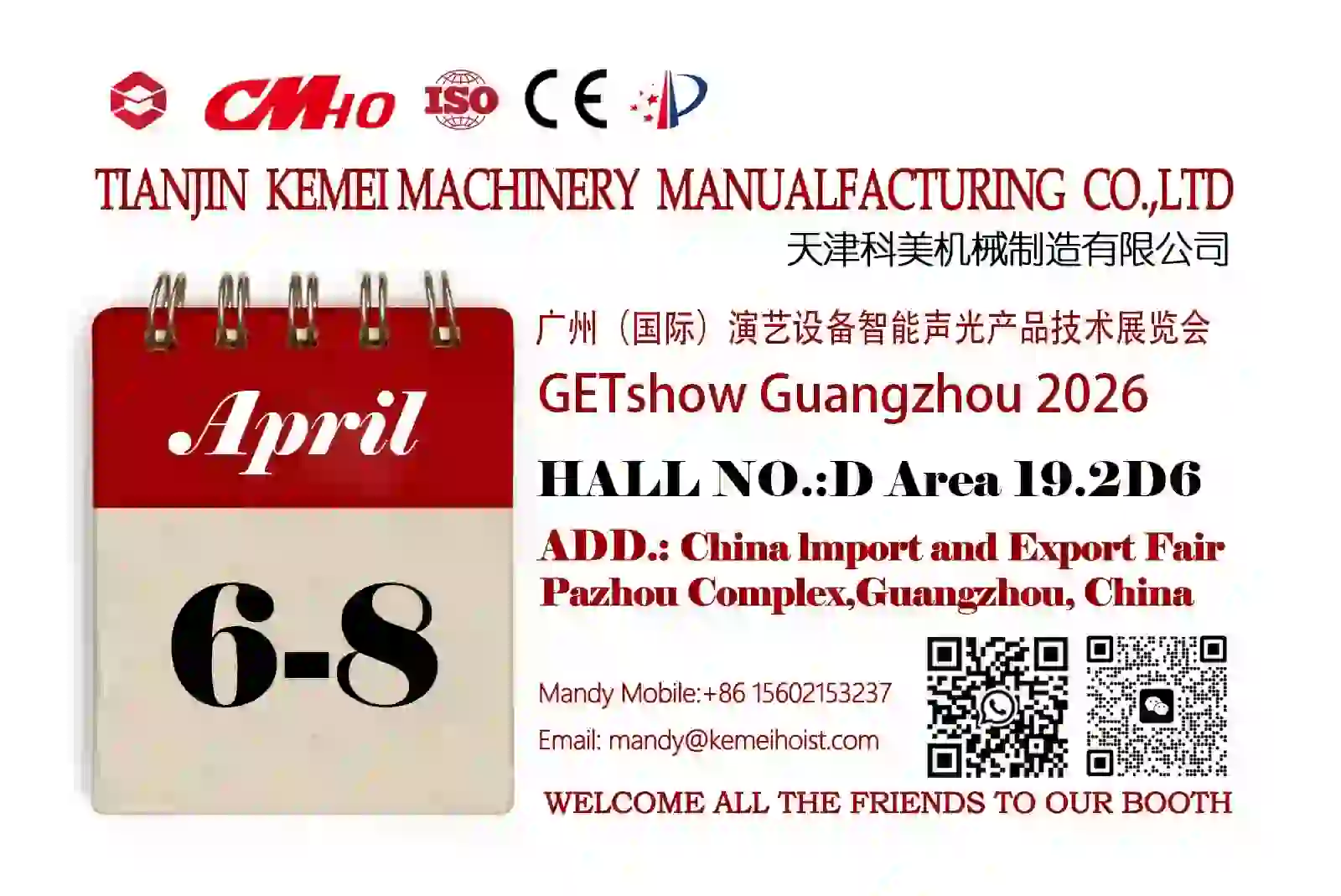
2026 GET SHOW
Our company will make a major appearance at the GETshow Guangzhou (International) Performing Arts Equipment, Intelligent Acoustic and Optical Equipment Technology Exhibition...