
X
Electric hoists represent their own machinery, strength, and toughness, while the stage is elegant, flowing, and soft, with conflicts and collisions between the two.
In stage equipment, the stage electric hoist plays a crucial role as it can safely and efficiently lift and move various stage props and equipment. In order to ensure the reliability and safety of t
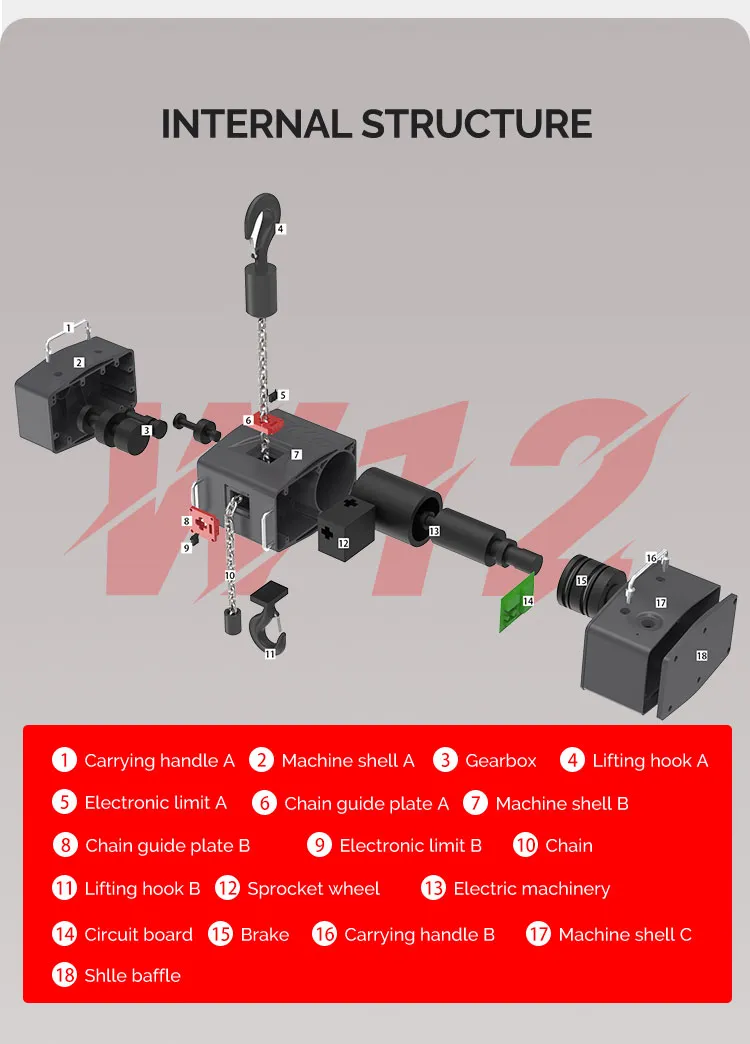
Category : W12 Stage Electric Hoist
Get a Quote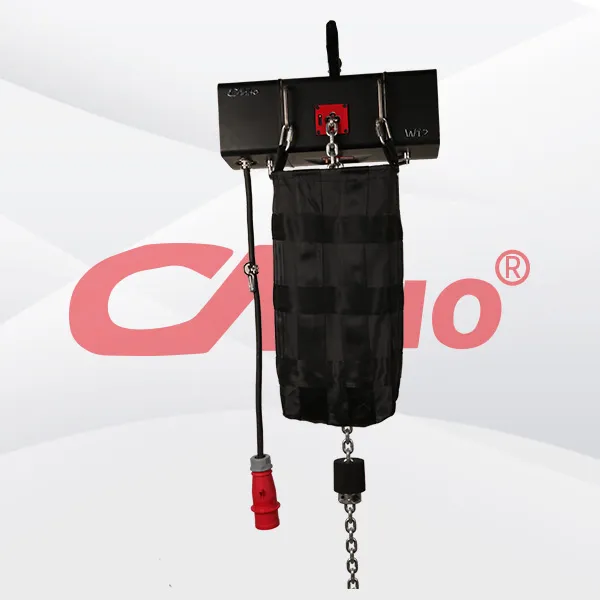
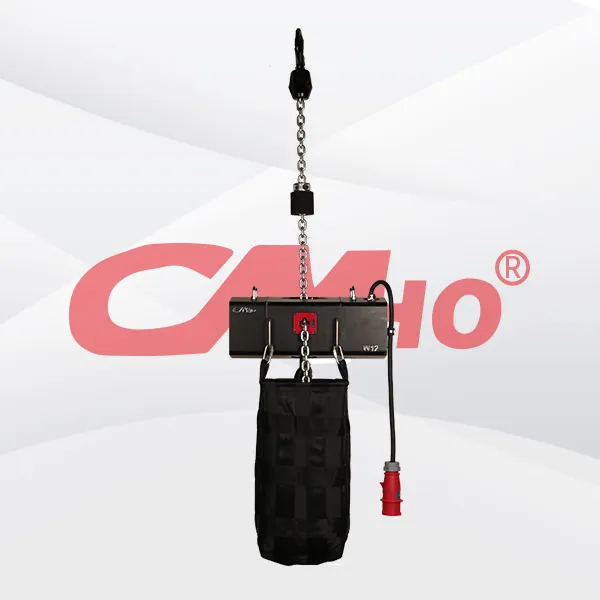
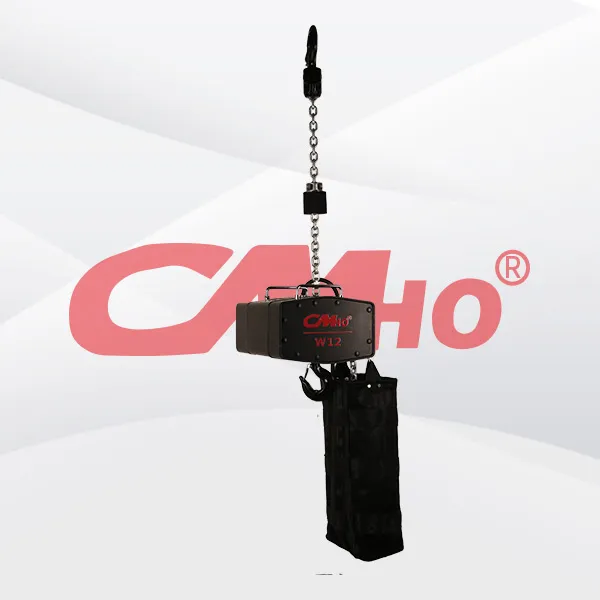
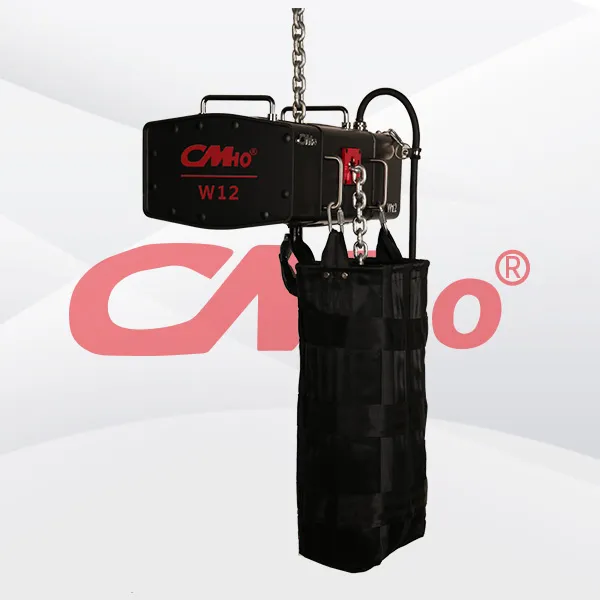

Product Details
Detailed explanation of the trial pulling process of stage electric hoist
1、 Preparation work before trial pulling
(1) Check the appearance of the electric hoist
Check whether the outer shell of the electric hoist is damaged, deformed, or not.
Check for cracks, deformations, and other defects in components such as hooks and chains.
Confirm whether the electrical circuit of the electric hoist is connected correctly and undamaged.
(2) Choose a trial site
The trial site should be flat, solid, and free of obstacles.
The space of the venue should be large enough to ensure that the electric hoist has sufficient activity space during the trial pulling process.
(3) Prepare to try pulling heavy objects
Select a suitable trial load based on the rated load of the electric hoist.
The weight of the test load should gradually increase to simulate different load situations in actual use.
2、 Trial pull process steps
(1) No load trial operation
Hang the electric hoist on a suitable bracket without connecting it to a test load.
Connect the power supply, start the electric hoist, and conduct a no-load test run.
Observe the operation of the electric hoist, including whether the ascending and descending speeds are stable, and whether there are any abnormal noises and vibrations.
Check if the control buttons of the electric hoist are sensitive and reliable, and if the limit switch is working properly.
(2) Light load test pull
After the no-load test run is normal, connect a lighter test load, usually 20% to 30% of the rated load.
Start the electric hoist, slowly lift the trial load to a certain height, and then slowly lower it.
Observe the operation of the electric hoist under light load, check whether the tension of the chain is appropriate, and whether there is abnormal wear on the transmission components.
(3) Mid load test pull
Gradually increase the weight of the test load to reach 50% to 70% of the rated load.
Repeat the lifting and lowering operations and observe the performance of the electric hoist under medium load conditions.
Check the heating condition of the motor and whether the braking effect of the brake is good.
(4) Full load test pull
Connect a test load equal to the rated load of the electric hoist.
Perform full load lifting and lowering operations, run continuously for a period of time, to simulate long-term working conditions in actual use.
Pay close attention to the various performance indicators of the electric hoist, such as lifting speed, lowering speed, motor current, etc., to ensure that they are within the normal range.
Check the structure of the electric hoist for any deformation, looseness, or other issues.
(5) Overload test pull (optional)
In special circumstances, an overload test can be conducted, but the overload amount should generally not exceed 110% of the rated load.
The purpose of overloading test is to verify the safety performance of electric hoists in emergency situations.
Overloading test should be conducted under the supervision of professional personnel, and the time should not be too long. Once any abnormal situation is found, the test should be stopped immediately.
3、 Inspection and summary after trial pulling
(1) Check all components of the electric hoist
After the trial pulling is completed, check again whether the shell, hook, chain, motor, brake and other components of the electric hoist are damaged or abnormal.
Check the electrical circuit for overheating, short circuits, and other phenomena.
(2) Summarize the results of the trial pull
Evaluate the performance of the electric hoist based on observations and records during the trial pulling process.
If any problems are found, they should be repaired or adjusted in a timely manner to ensure that the electric hoist is in good condition before formal use.
Summarize the experience of trial pulling to provide reference for future product improvement and quality control.
RELATED PRODUCTS .
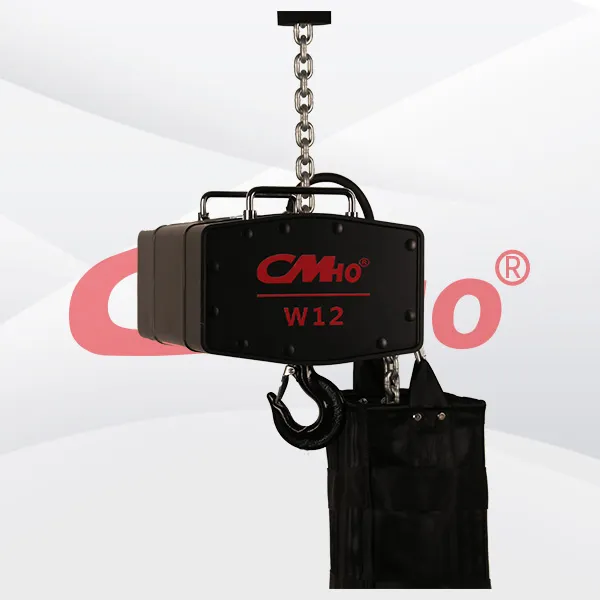
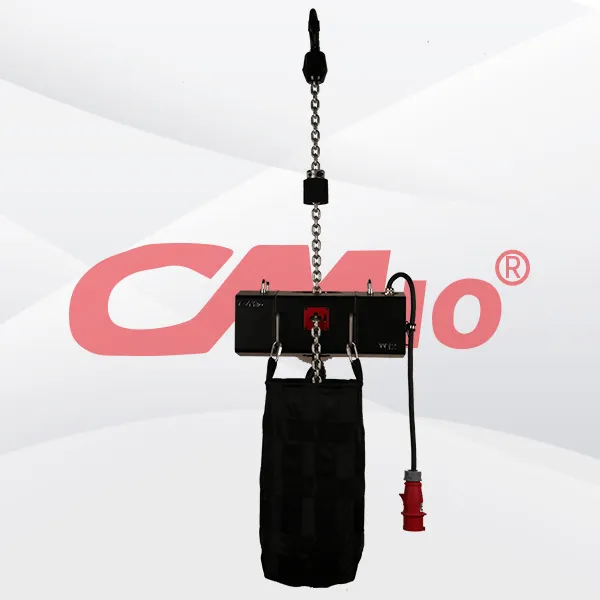
Our G100 stage lifting hoist features Grade100 high-strength alloy chain, excellent tensile strength, dual brake and IP66 waterproof for safe stage rigging.
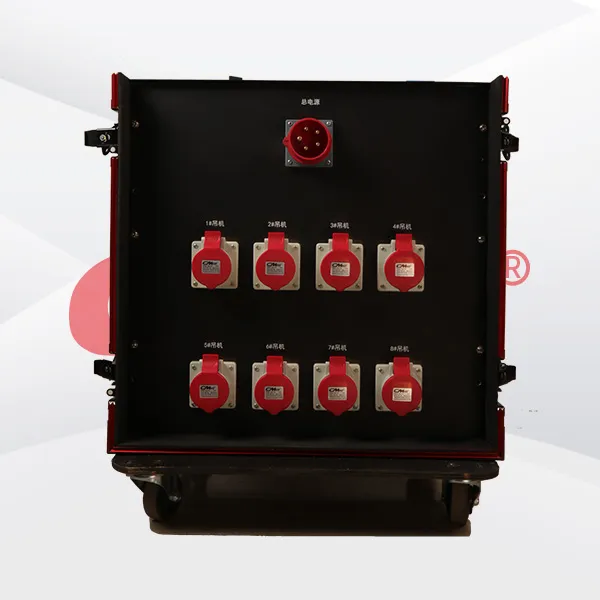
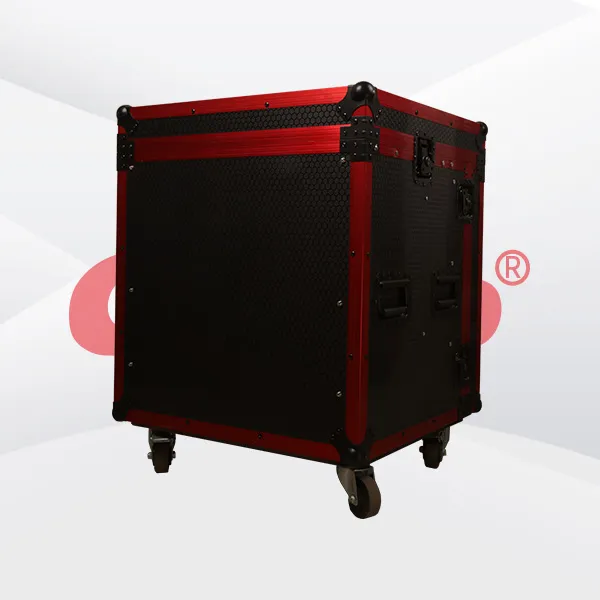
A dedicated electrical control enclosure for stage electric chain hoists. It serves as the operation hub to control hoist lifting, lowering and stopping, with built-in safety protections. It supports
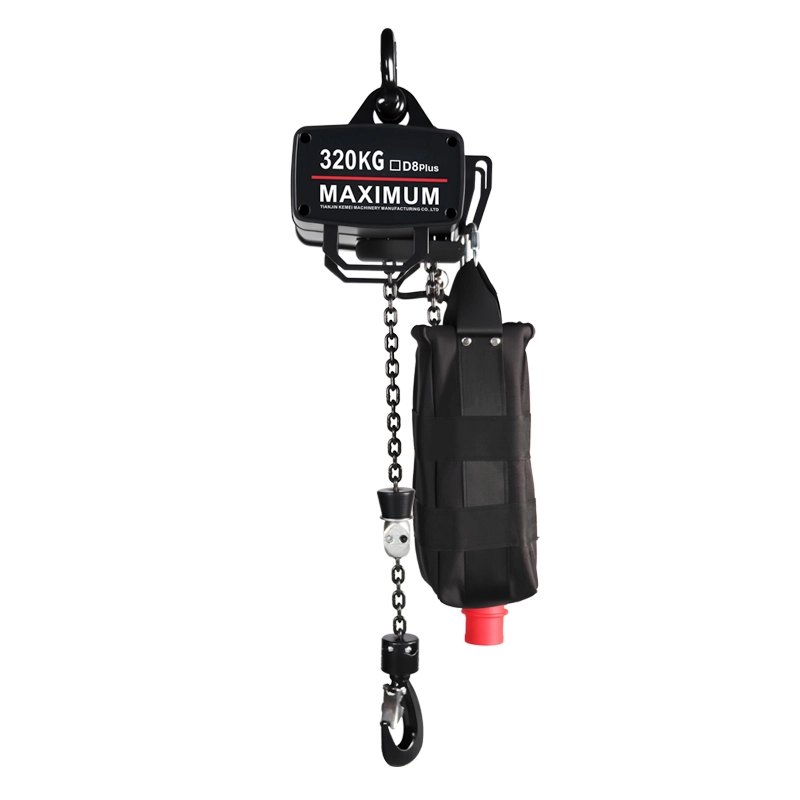
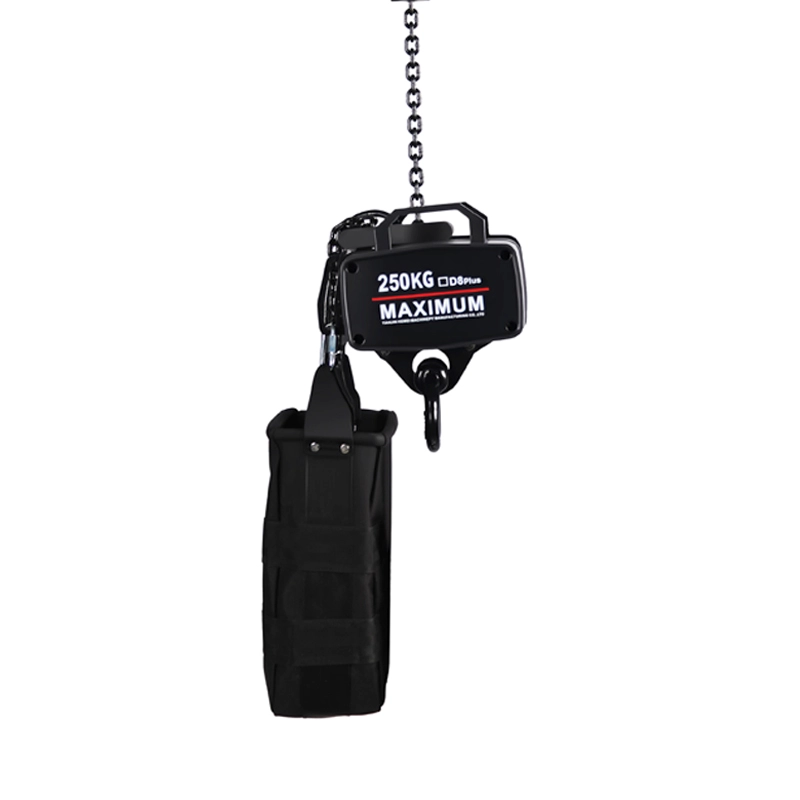
A cross-shaped chain outlet stage hoist is specialized entertainment rigging lifting equipment for live events, theatres and concerts. Its distinctive cross-shaped chain outlet guides load chain smoot
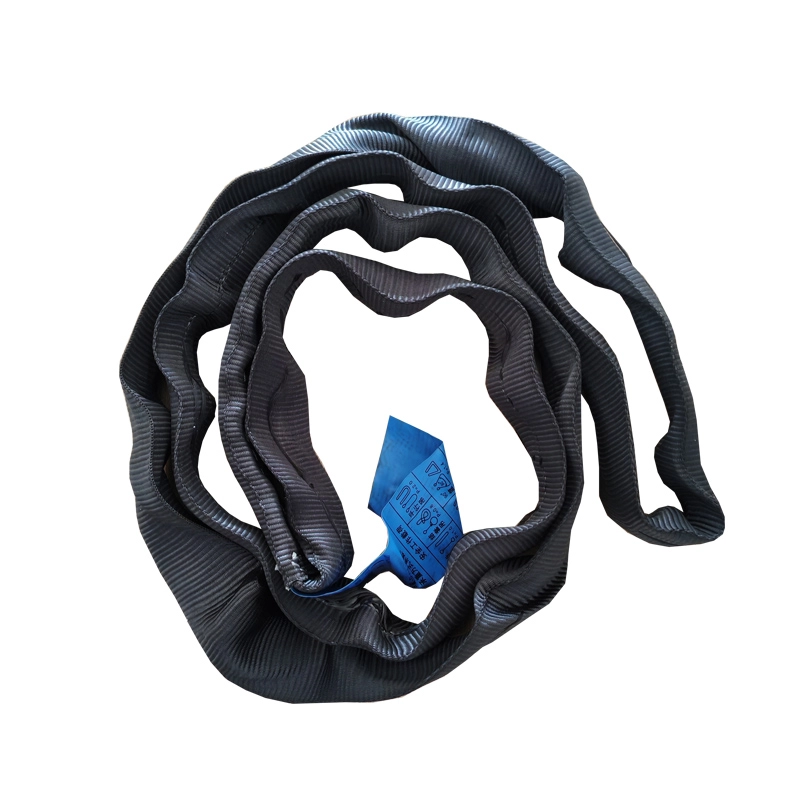

High‑quality stage lifting sling is essential equipment for concert, theatre and live‑event rigging. Made of heavy‑duty polyester webbing, these rigging slings deliver stable load‑bearing performance

2026-09-16
创始人
0
PLASE SHOW Vietnam Professional Lighting Sound Exh...
Tianjin Kemei Machinery Manufacturing Co., Ltd is honored to participate in PLASE SHOW Vietnam, the most influential professional exhibition for stage lighting, audio and ri...
2026-05-14
创始人
0
2026 Prolight Sound
Prolight + Sound Guangzhou 2026 will grandly kick off from May 28 to 31! We sincerely invite all new and old customers to visit our booth for inspection and business negotia...
2026-04-27
admin
0
The Invisible Cloak of Stage Electric Hull
The stage electric hoist is a commonly used lifting tool when building a stage. It has a compact appearance and is easy to use
2026-03-18
创始人
0
2026 GET SHOW
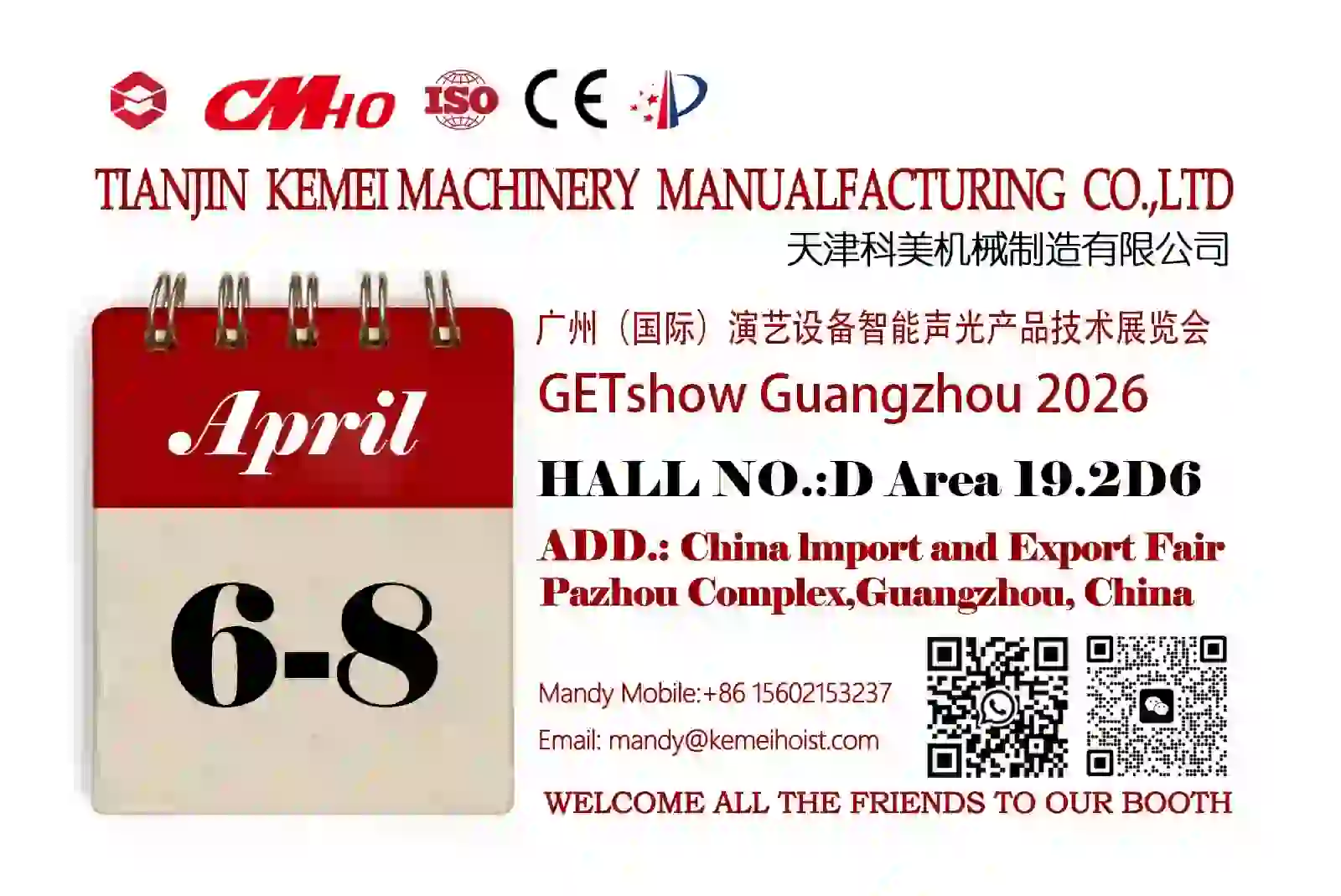
Our company will make a major appearance at the GETshow Guangzhou (International) Performing Arts Equipment, Intelligent Acoustic and Optical Equipment Technology Exhibition...