
X
Electric hoists represent their own machinery, strength, and toughness, while the stage is elegant, flowing, and soft, with conflicts and collisions between the two.
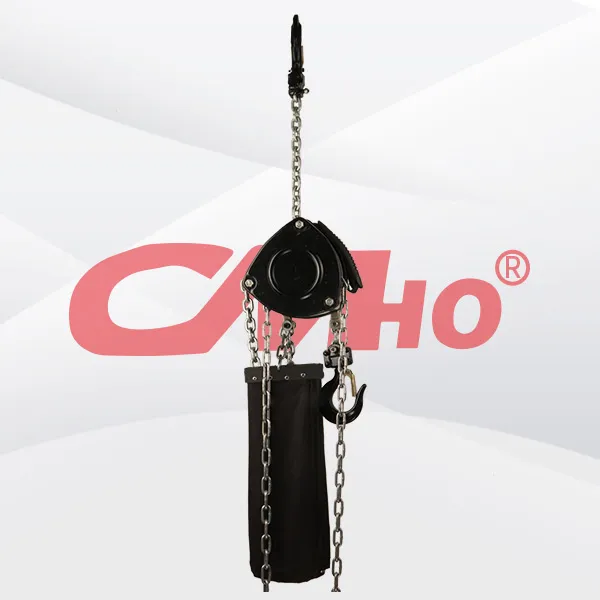
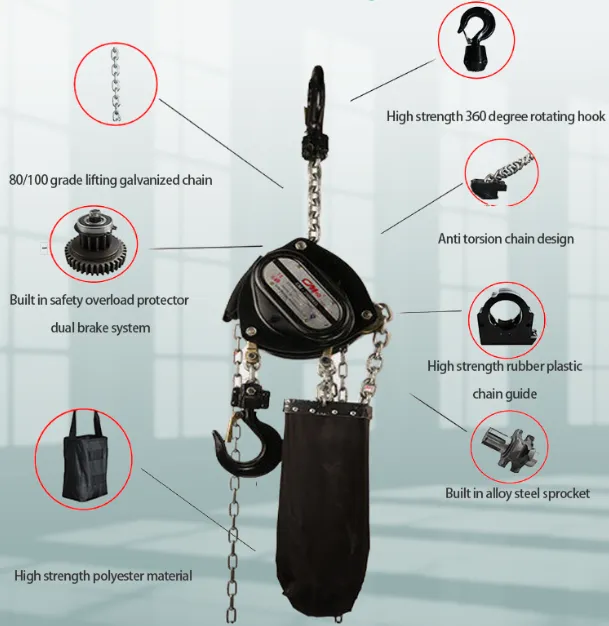
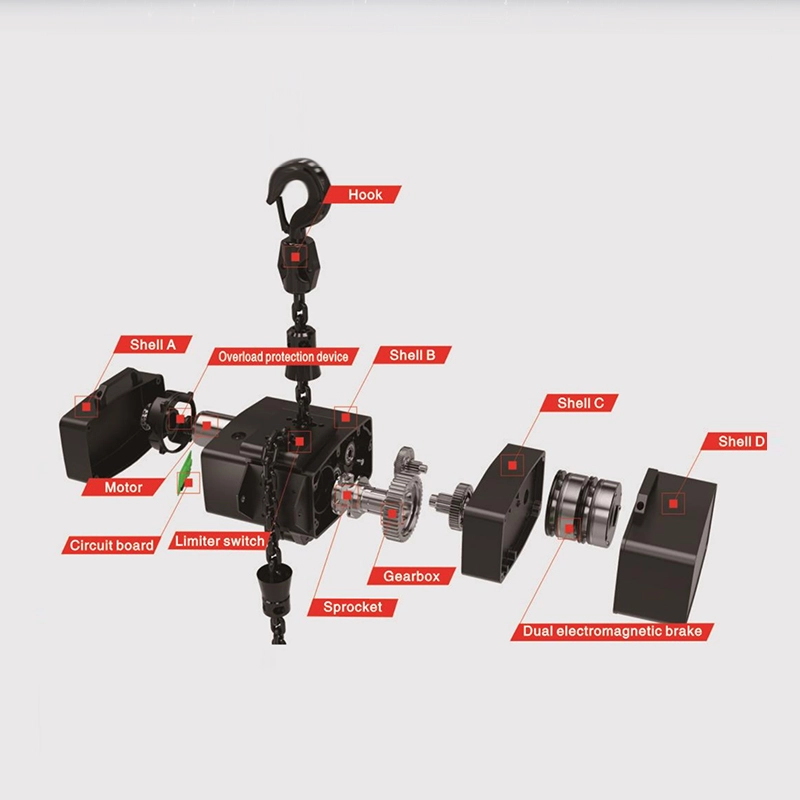
The stage hand - chain hoist can be regarded as a capable little assistant on the stage. It has an exquisite structure, is effortless to install, occupies minimal space, and can be perfectly integrate
Category : Stage Chain Hoist Series
Get a Quote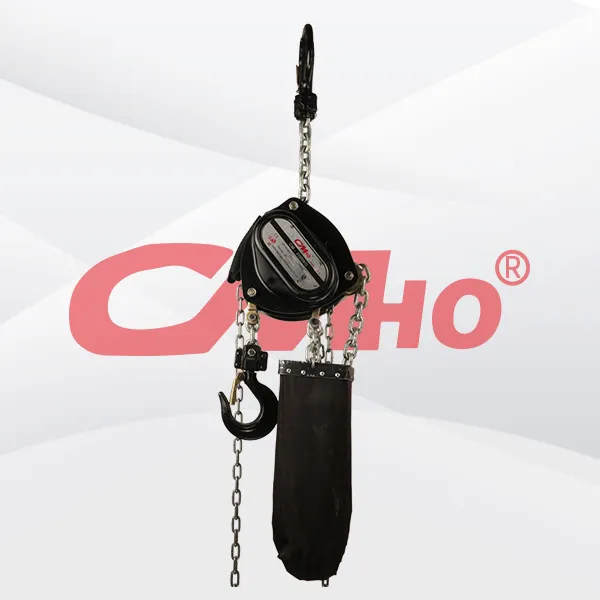

Product Details
Environmental factors mainly have the following impacts on the positioning accuracy of hand - operated electric hoists: Temperature Factors - **Impact of High Temperature** - **Component Expansion**: In a high - temperature environment, the metal components of the hand - operated electric hoist will undergo thermal expansion. For example, after components such as gears and shafts expand, the fit clearance may become smaller, increasing the frictional resistance during operation. This leads to unsmooth operation and affects the positioning accuracy. - **Change in Lubricating Oil Performance**: High temperature can reduce the viscosity of the lubricating oil, resulting in a decline in its lubricating performance. The wear between transmission components such as chains and gears will be aggravated. Prolonged use may cause component deformation and damage, thereby affecting the positioning accuracy of the electric hoist. - **Impact of Low Temperature** - **Solidification of Lubricating Oil**: In a low - temperature environment, the viscosity of the lubricating oil will increase, and it may even solidify. This significantly increases the friction between transmission components, making operation difficult. It becomes hard to precisely control the lifting, lowering, and stopping positions of the hoist during positioning. - **Brittleness of Materials**: Some components made of materials such as plastics and rubbers will become brittle at low temperatures, with reduced elasticity. They are prone to cracking or damage, affecting the overall performance and positioning accuracy of the electric hoist. For example, the rubber components in the braking device may lose their elasticity at low temperatures, resulting in insensitive braking and positioning deviation. Humidity Factors - **Corrosion Problems**: A high - humidity environment easily causes the metal components of the hand - operated electric hoist to rust and corrode, especially in key parts such as chains and hooks. Corrosion can lead to a rough surface and dimensional changes of the components, increasing the resistance and uncertainty during operation, and making it difficult to accurately control the positioning. - **Electrical Failures**: For hand - operated electric hoists with an electrical control part, high humidity can cause the electrical components to get damp, reducing their insulation performance. This can easily trigger faults such as short - circuits and electric leakage, affecting the normal operation and positioning accuracy of the electric hoist. Dust and Oil Pollution Factors - **Component Wear**: Dust particles in the working environment can enter the interior of the hand - operated electric hoist and form abrasives between the transmission components, aggravating the wear of chains, gears, etc. This leads to a decline in transmission accuracy and an increase in positioning errors. - **Deterioration of Braking Performance**: Oil pollution will adhere to the surface of the braking device, reducing the friction between the brake pads and the brake wheel. The braking effect becomes worse, and the electric hoist may slide when stopping, unable to accurately stop at the set position. Vibration and Impact Factors - **Loosening of Installation**: Vibration and impact from the surrounding environment may loosen the installation components of the hand - operated electric hoist, causing the hoist to shake and deviate during operation, which affects the positioning accuracy.
- **Damage to Internal Components**: Long - term exposure to vibration and impact may cause fatigue damage, loosening, or even breakage of the internal components of the electric hoist, affecting its normal operation and positioning accuracy. For example, vibration may change the installation position of the limit switch, resulting in the electric hoist not being able to stop accurately at the set position.
RELATED PRODUCTS .
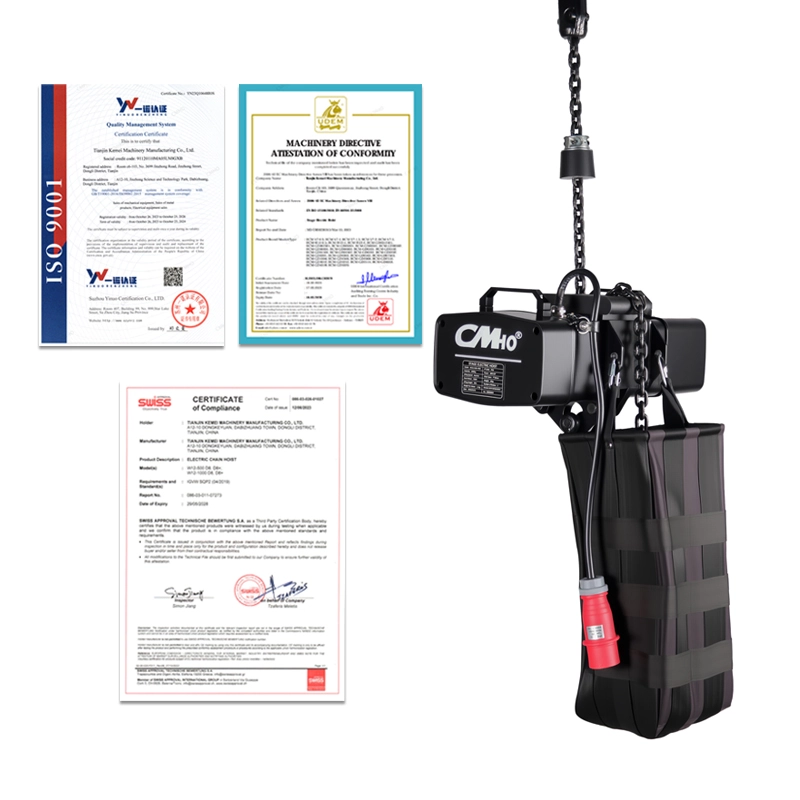
A complete set of professional stage electric chain hoist matched with heavy-duty flight case. The custom flight case provides shock protection for safe transportation and storage of the stage hoist,
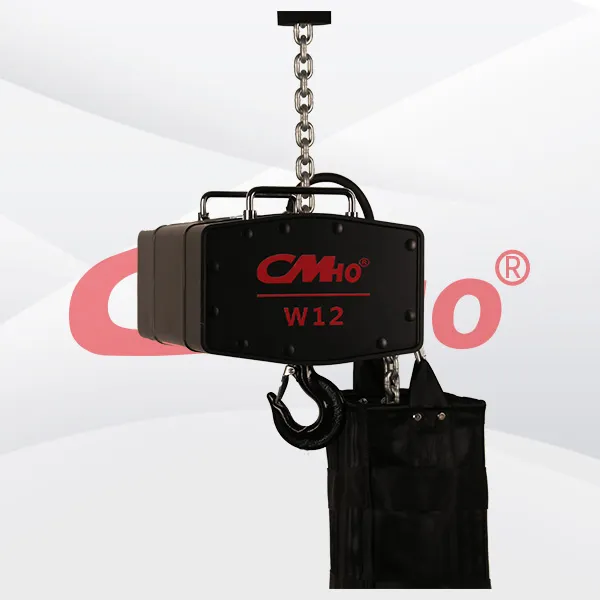
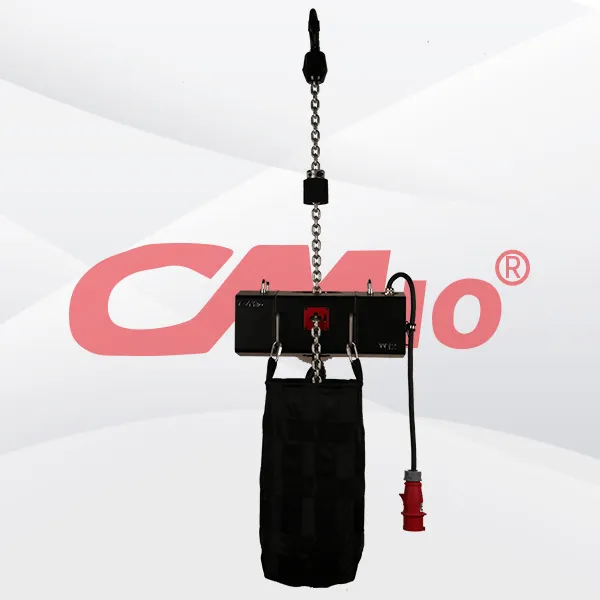
Our G100 stage lifting hoist features Grade100 high-strength alloy chain, excellent tensile strength, dual brake and IP66 waterproof for safe stage rigging.
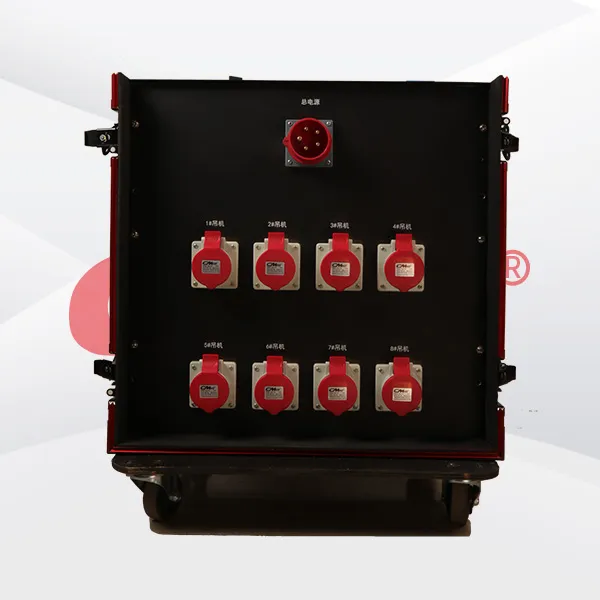
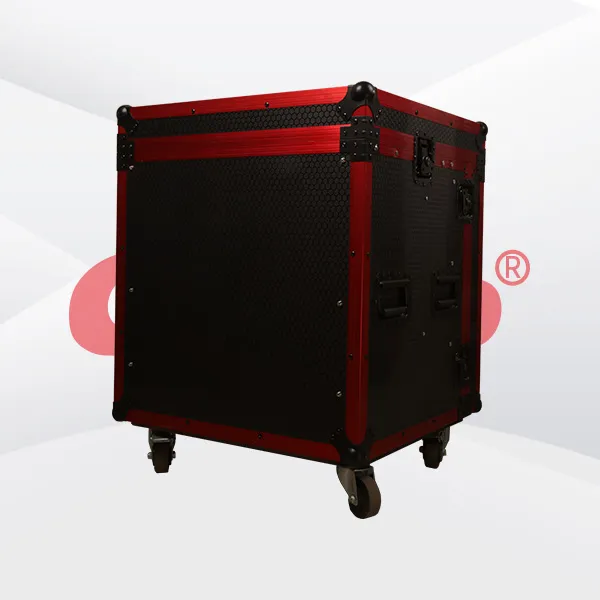
A dedicated electrical control enclosure for stage electric chain hoists. It serves as the operation hub to control hoist lifting, lowering and stopping, with built-in safety protections. It supports
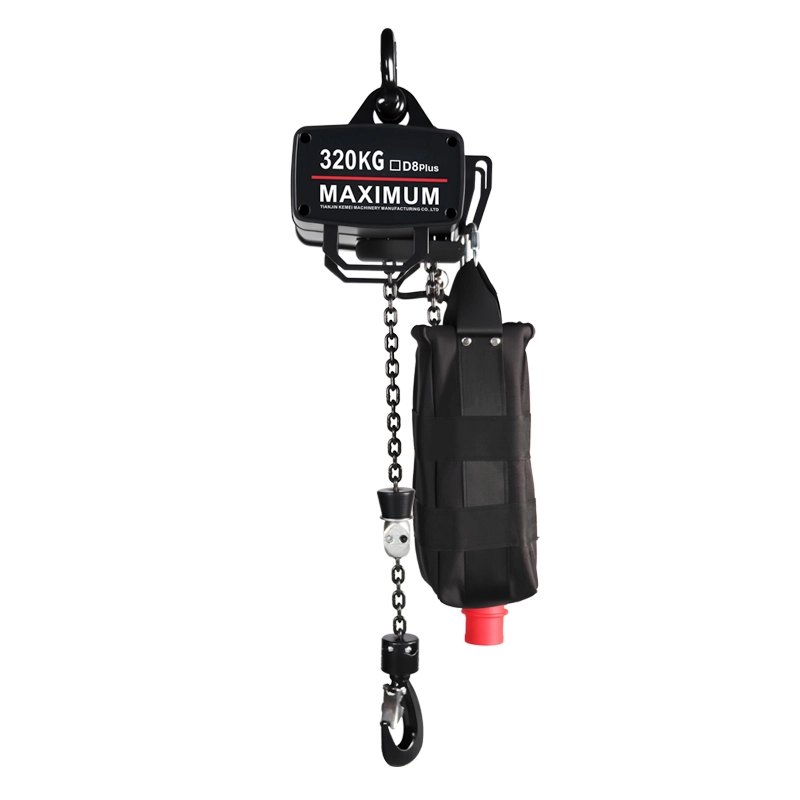
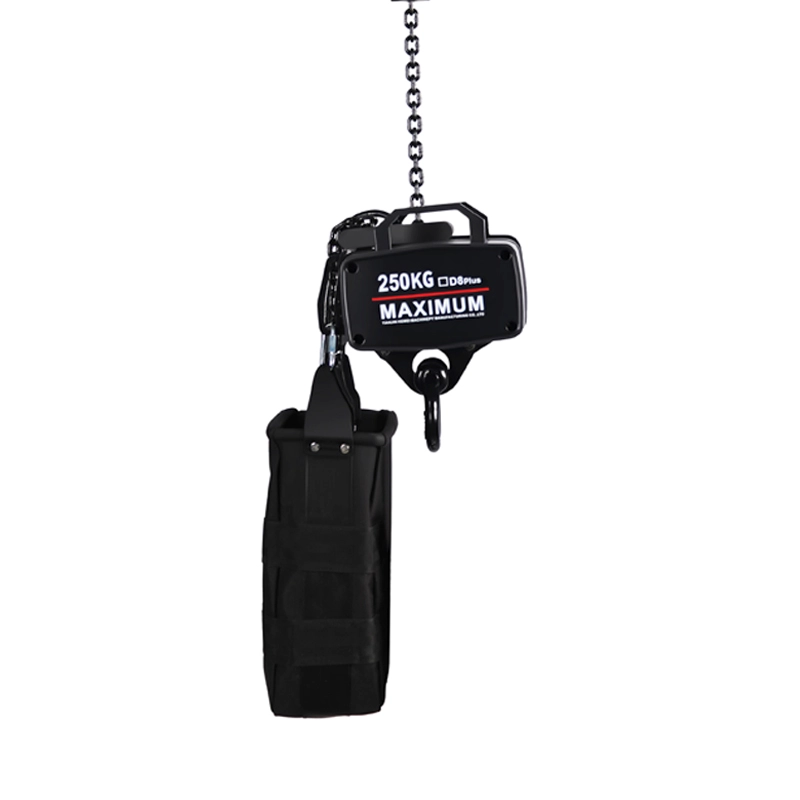
A cross-shaped chain outlet stage hoist is specialized entertainment rigging lifting equipment for live events, theatres and concerts. Its distinctive cross-shaped chain outlet guides load chain smoot

2026-09-16
创始人
0
PLASE SHOW Vietnam Professional Lighting Sound Exh...
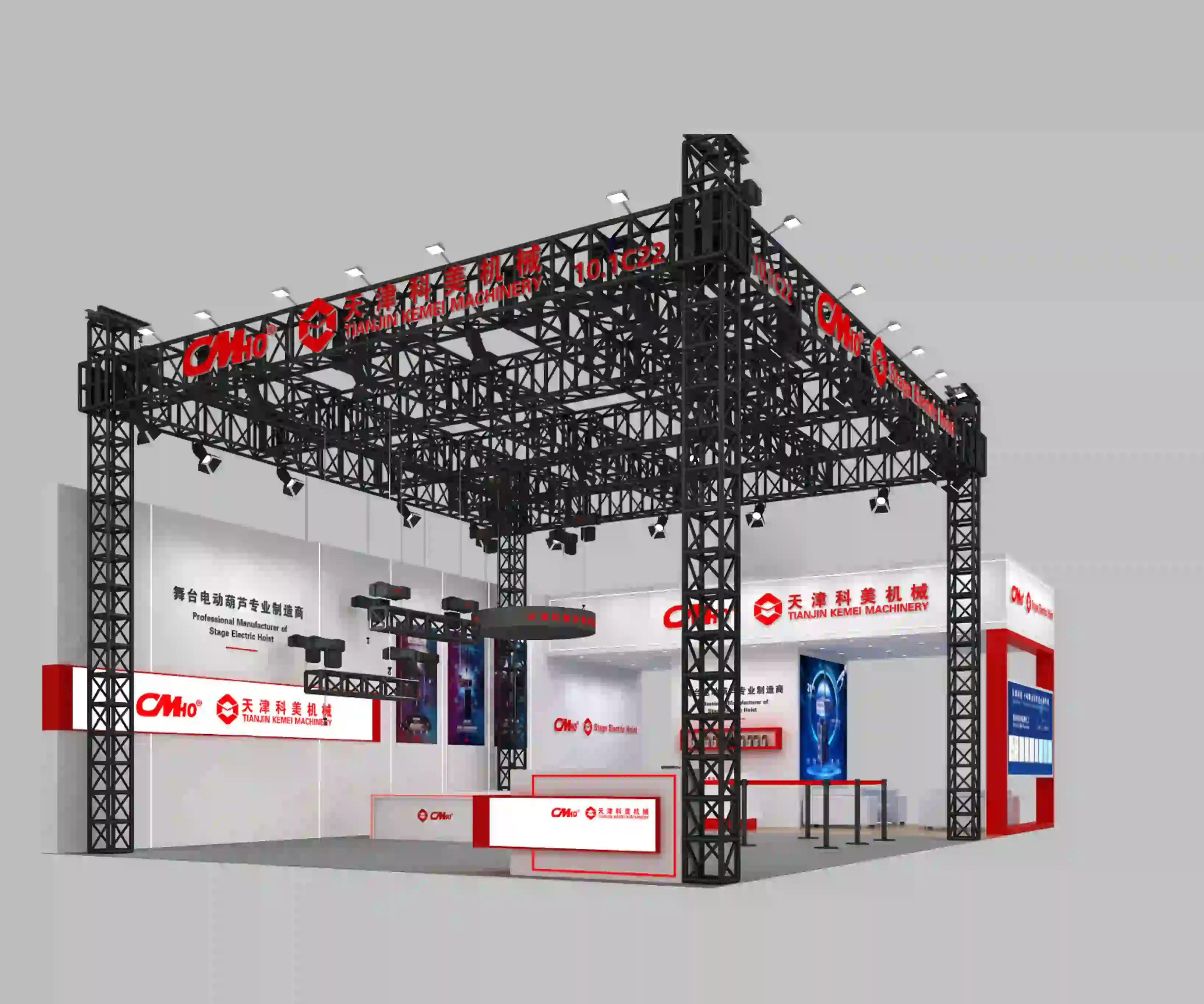
Tianjin Kemei Machinery Manufacturing Co., Ltd is honored to participate in PLASE SHOW Vietnam, the most influential professional exhibition for stage lighting, audio and ri...
2026-05-14
创始人
0
2026 Prolight Sound
Prolight + Sound Guangzhou 2026 will grandly kick off from May 28 to 31! We sincerely invite all new and old customers to visit our booth for inspection and business negotia...
2026-04-27
admin
0
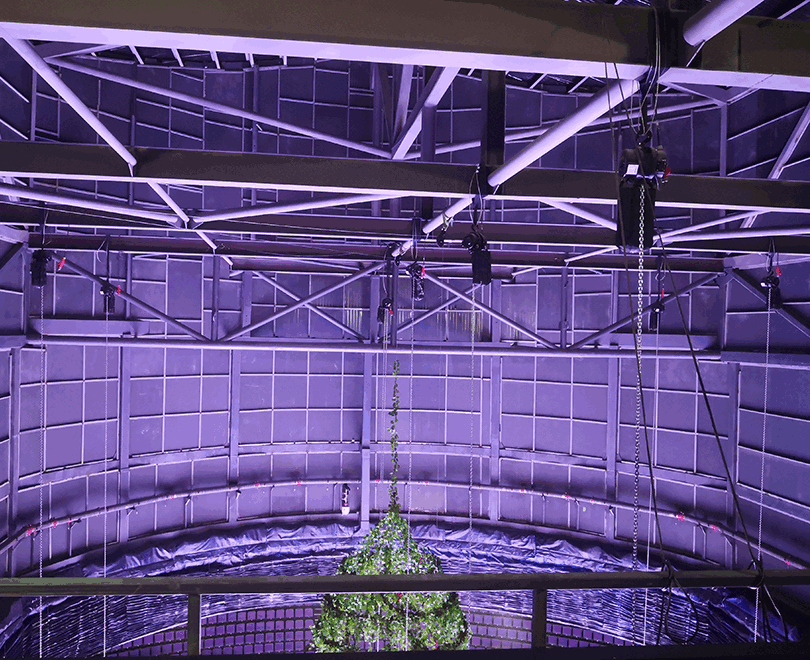
The Invisible Cloak of Stage Electric Hull
The stage electric hoist is a commonly used lifting tool when building a stage. It has a compact appearance and is easy to use
2026-03-18
创始人
0
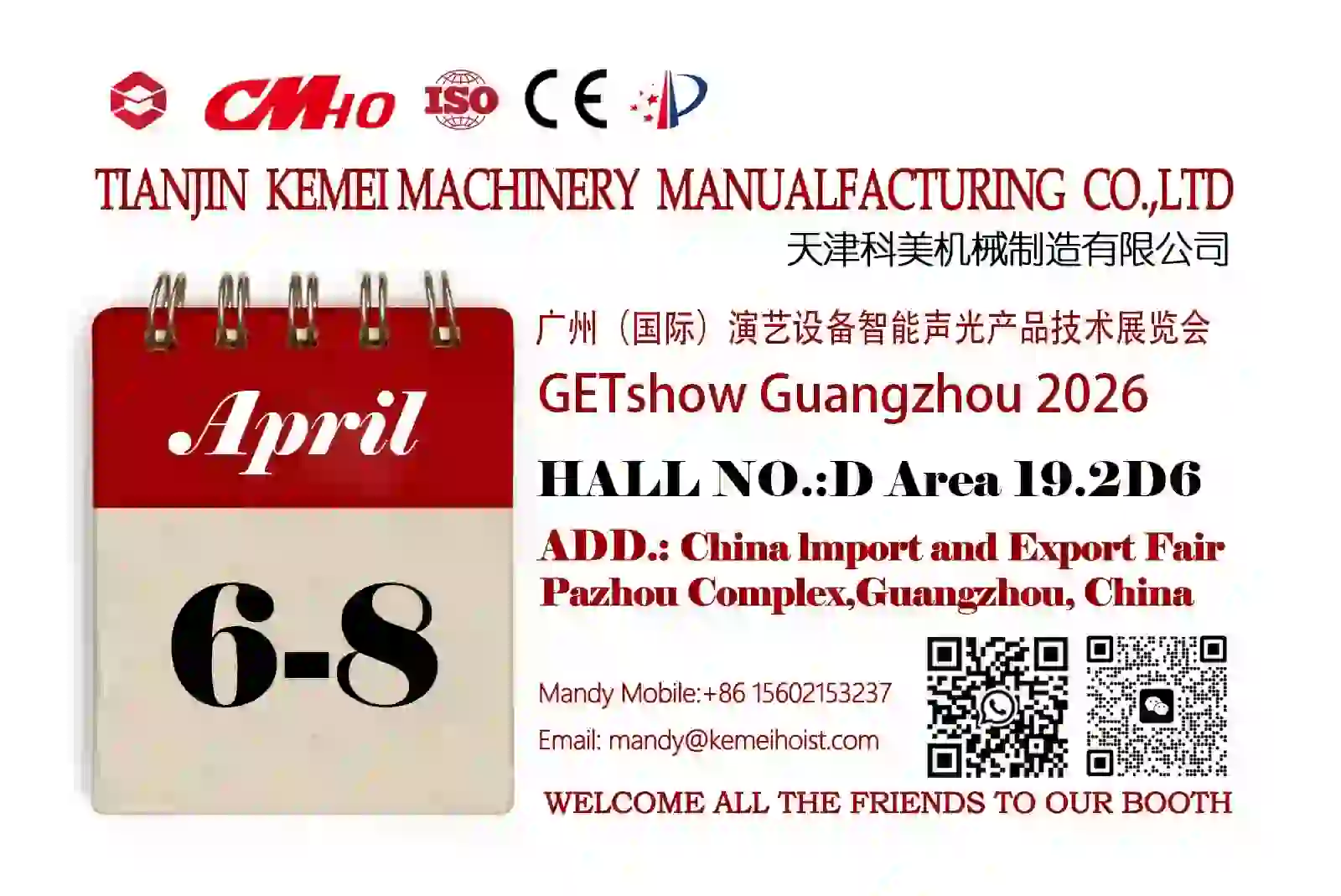
2026 GET SHOW
Our company will make a major appearance at the GETshow Guangzhou (International) Performing Arts Equipment, Intelligent Acoustic and Optical Equipment Technology Exhibition...